Categories
Blog Posts Dessert Dialogues

Craft Soft Serve Program

1 CRAFT SOFT SERVE
Sell Price $6.50
Total Cost $1.05
Profit per 5 oz serving $5.45
1 CRAFT SOFT SERVE
Sell Price $6.50
Total Cost $1.05
Profit
per 5 oz serving
$5.45
PROFIT POTENTIAL CHART
Servings/Day Annual Revenue Annual Profit
40 $94,900 $79,570
80 $189,800 $159,140
120 $284,700 $238,710

Many pizza concepts easily sell 60–120 soft serves per day due to family traffic and impulse dessert purchases.

PROFIT POTENTIAL CHART
Servings/Day Annual Revenue Annual Profit
40 $94,900 $79,570
80 $189,800 $159,140
120 $284,700 $238,710

Many pizza concepts easily sell 60–120 soft serves per day due to family traffic and impulse dessert purchases.

COST PER SERVING BREAKDOWN
Component Cost
Soft Serve Mix + Dairy + Flavor $0.45
Cup / Cone $0.30
Spoon / Lid $0.10
Labor $0.20
Total Cost $1.05
COST PER SERVING BREAKDOWN
Component Cost
Soft Serve Mix + Dairy + Flavor $0.45
Cup / Cone $0.30
Spoon / Lid $0.10
Labor $0.20
Total Cost $1.05
EXCLUSIVE ITABERCO PIZZA EXPO PROMOTION BY TAYLOR MACHINES
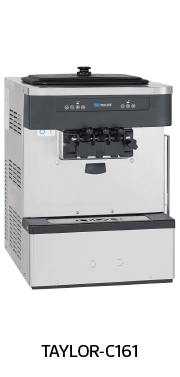
Buy a Taylor Soft Serve Machine & Receive:
$500
off Equipment
Available for 90 days after Pizza Expo
FREE
PARTS + LABOR INCLUDED
Discount applied by your local distributor.

Contact us to be connected to our Taylor Distributor 

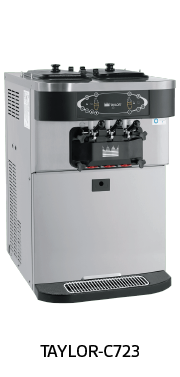
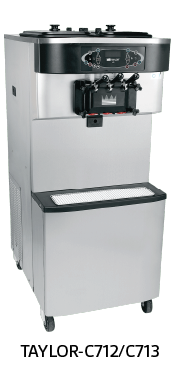
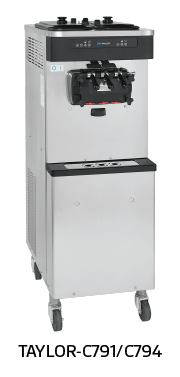
Top-of-the-Line Soft Serve Equipment

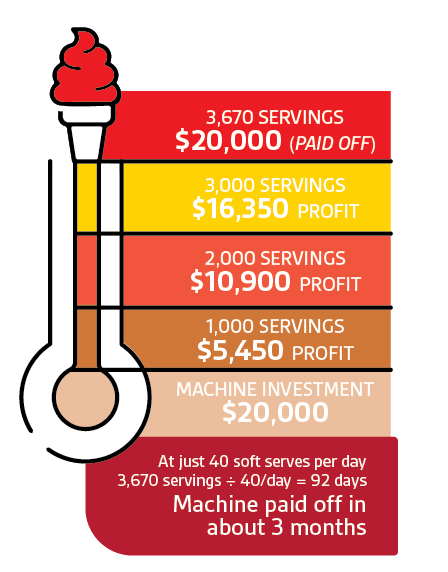
Investment
$15k – $25k
Estimated Payback
2-4 Months
Even at 40 servings per day
PROFIT EXAMPLE
Selling Price
$6.50
Cost
$1.05
Profit
$5.45
(per serving)

Want a Custom Soft Serve Profit Projection?

Fill out a few quick questions about your concept, and our team will create a personalized profit projection tailored to your business.
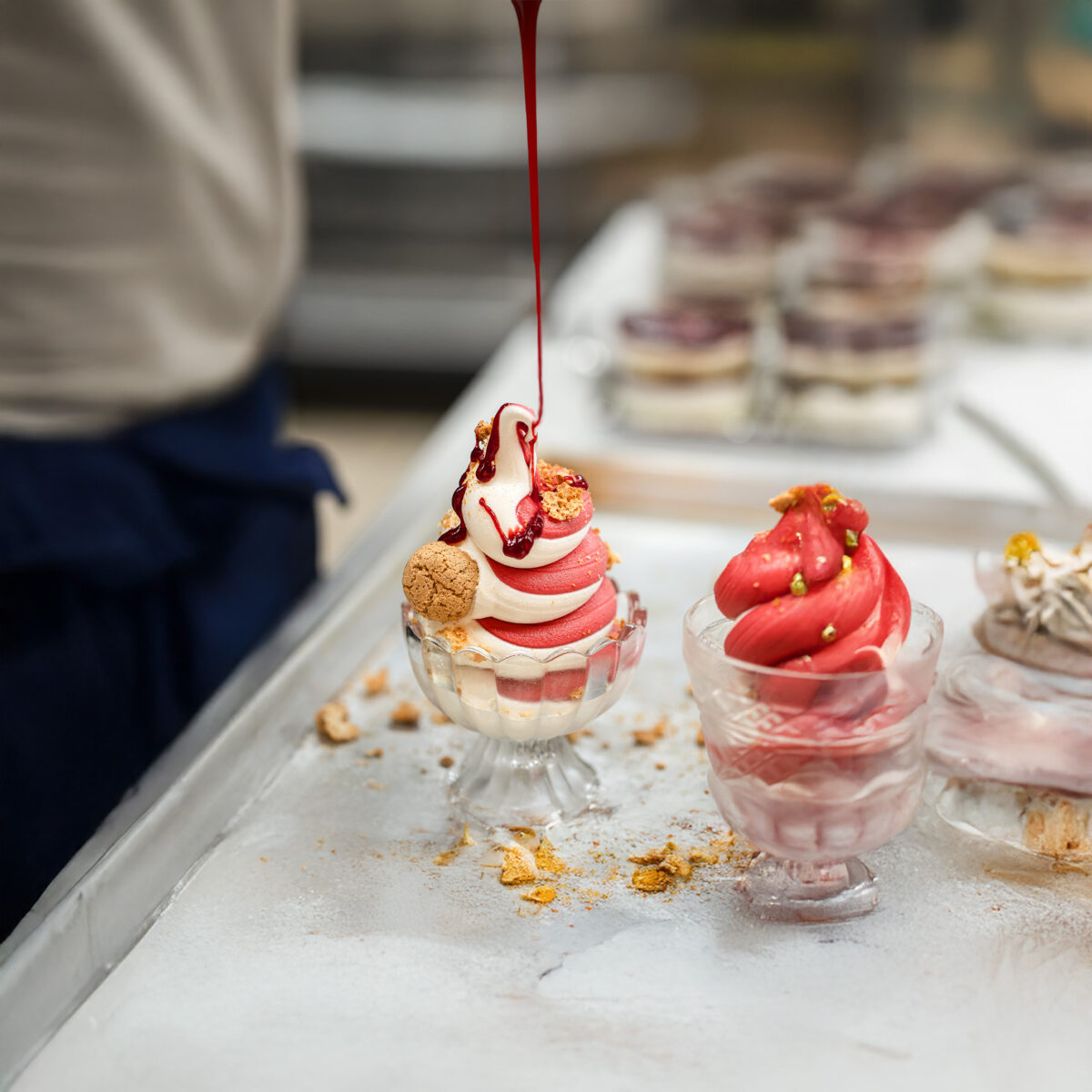
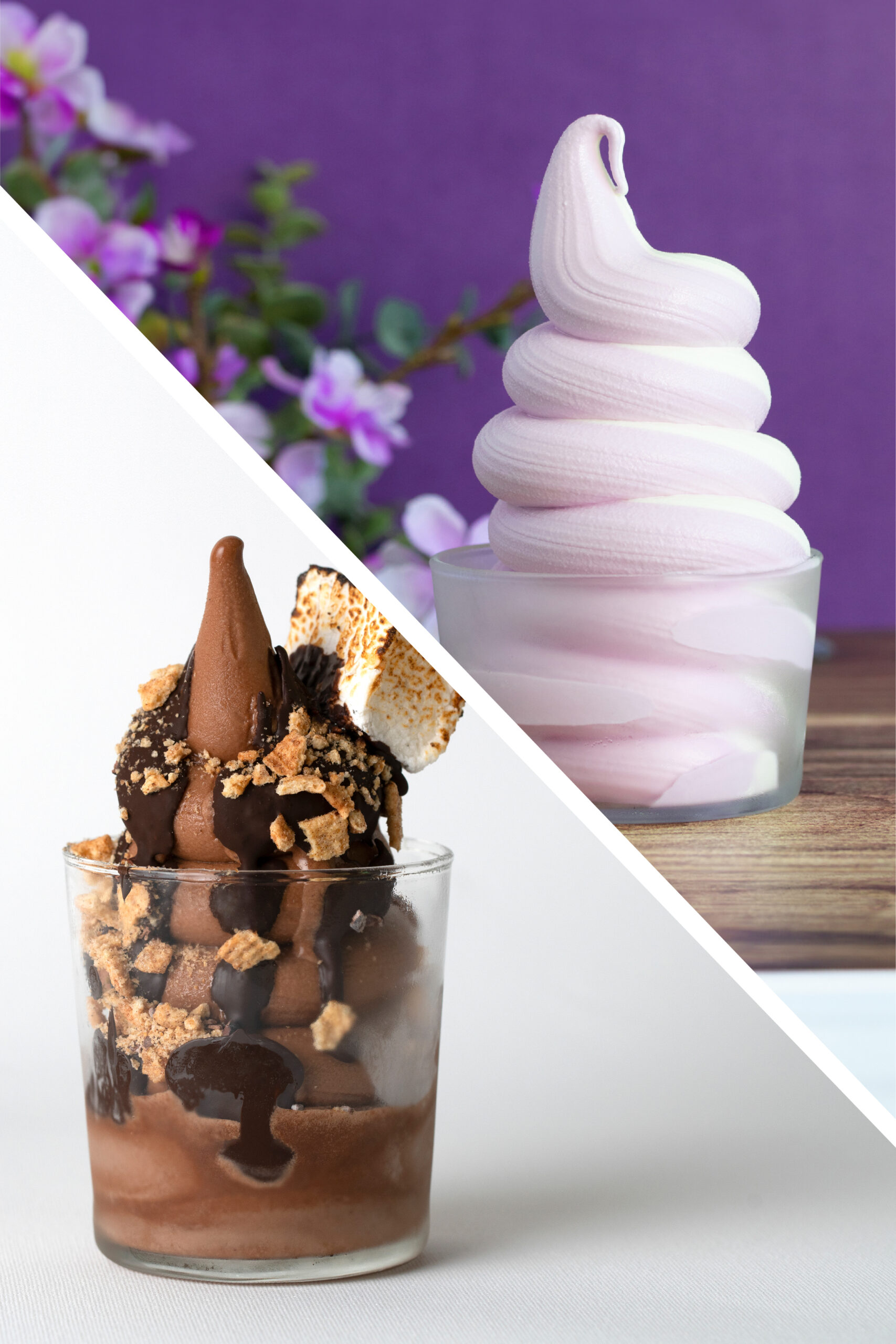
CHEF-DRIVEN SOFT SERVE MENU EXAMPLE
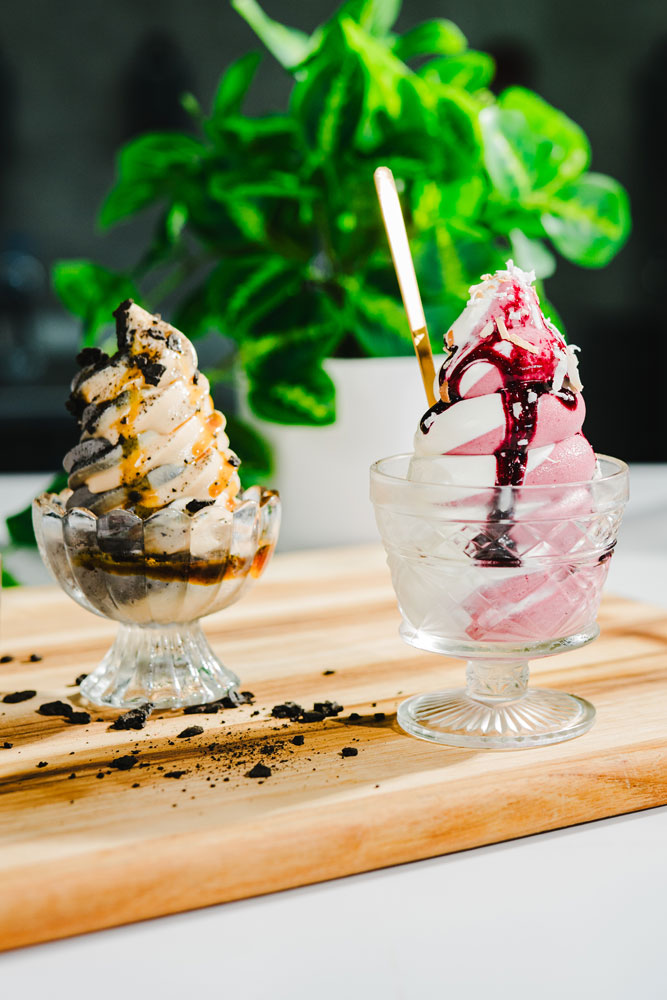
Signature Soft Serve
MADAGASCAR VANILLA BEAN SOFT SERVE 6,50
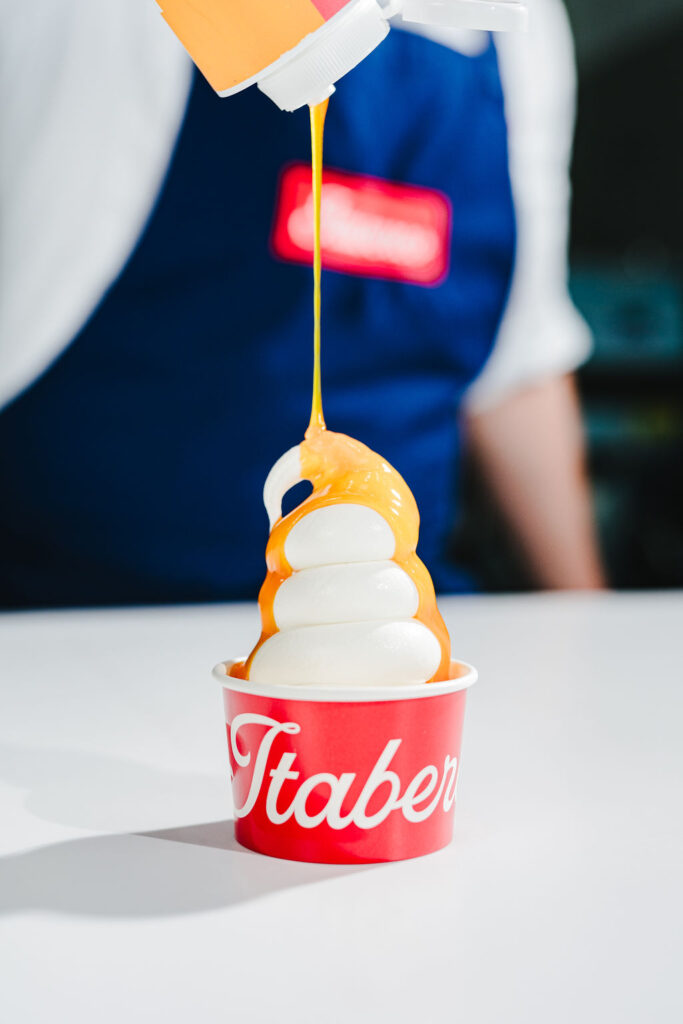
SALTED CARAMEL SOFT SERVE 6,50
VANILLA + SALTED CARAMEL TWIST 6,50
Chef-Driven Sundaes
OLIVE OIL & SEA SALT SUNDAE 8,50
VANILLA SOFT SERVE, OLIVE OIL, FLAKY SEA SALT, TOASTED BRIOCHE CRUMBS
SALTED CARAMEL CRUNCH SUNDAE 8,50
SALTED CARAMEL SOFT SERVE, ITABERCO SALTED CARAMEL SAUCE, CANDIED HAZELNUTS, BROWN BUTTER STREUSEL
PISTACHIO AFFOGATO SUNDAE 9,00
VANILLA SOFT SERVE, ESPRESSO, PISTACHIO CRUMBLE
Italian-Inspired Soft Serve Desserts
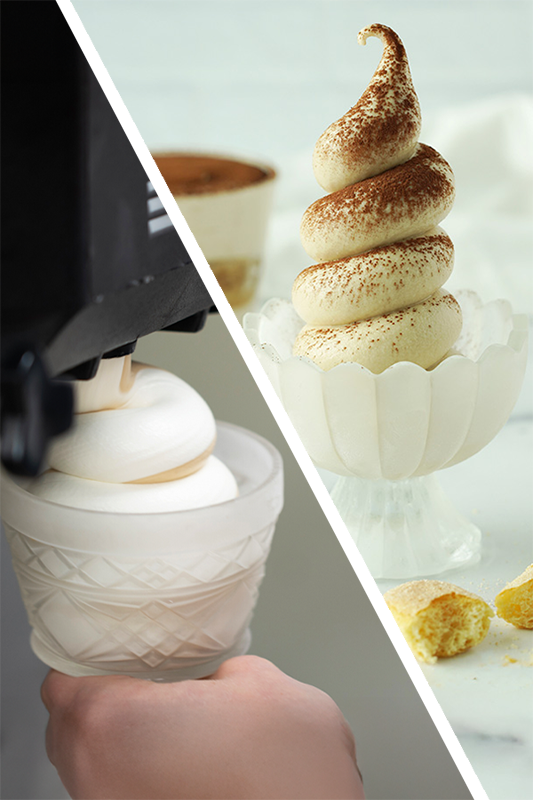
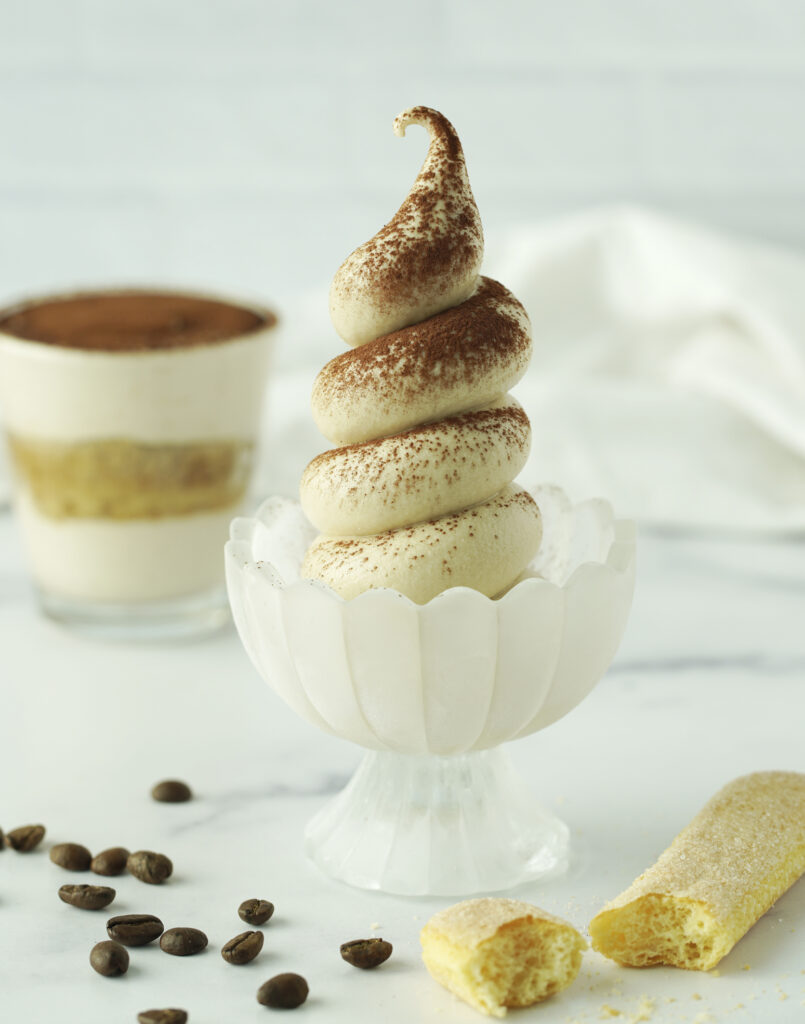
TIRAMISU SOFT SERVE CUP 9,50
VANILLA SOFT SERVE, ESPRESSO SOAK, MASCARPONE CREAM, COCOA POWDER
CANNOLI CRUNCH SUNDAE 9,00
VANILLA SOFT SERVE, RICOTTA CREAM DRIZZLE, CHOCOLATE CHIPS, CANNOLI SHELL CRUMBLE
AMARENA CHERRY SUNDAE 8,50
VANILLA SOFT SERVE, ITALIAN AMARENA CHERRIES, ITABERCO SOUR CHERRY TOPPING, ITABERCO CHOCOLATE CHIP COATING

Get a custom profit projection tailored to your concept, volume, and pricing.

Ready to Get Started?

Our team is here to guide you 1-on-1, building a personalized soft serve plan that fits your menu, your profits, and your operation.
You May Also Like

The Economics of Soft Serve

Dive into the numbers behind the trend with insights from The Fork CPAs and Itaberco’s own Berj Ghazarian.
Categories
Blog Posts Dessert Dialogues

Reducing Pastry Waste in Your Bakery or Large Kitchen​

Reducing Pastry Waste in Your Bakery or Large Kitchen

Spoilage, failed batches, and overproduction are common challenges in pastry production, but leading operations know how to manage them.

In large-scale hospitality kitchens, pastry waste rarely comes from one dramatic mistake. It’s almost always the result of small, repeated inefficiencies that compound over time.

For hotels, resorts, cruise lines, and catering operations, dessert production operates under unique pressure: precise textures, tight service windows, and limited tolerance for inconsistency. When something goes wrong, the result is often discarded product rather than a second chance.

Understanding where pastry waste originates is the first step toward controlling it.

1. Baking Spoilage: When Timing and Storage Don’t Align

Pastry components are especially vulnerable to spoilage. Custards break, fillings weep, creams separate, and fruit loses structure, often before service ever begins.

In large kitchens, spoilage is typically caused by:

  • Inconsistent prep timing across shifts
  • Improper cooling or holding procedures
  • Variable batch sizes that exceed holding windows
  • Short shelf life of scratch-made components

Fruit-based pastry components are especially vulnerable to waste. Fresh fruit requires peeling, trimming, and cooking, introduces variability in ripeness and sweetness, and can spoil before it’s fully utilized. The prep time required to transform raw fruit into a stable filling also increases labor cost and expands the window for product loss.

When teams are rushed, understaffed, or have high employee turnover, these issues escalate quickly. The result extends beyond lost product to lost labor, lost time, and unpredictable yields.

Key takeaway for buyers:

Shelf life and holding stability matter just as much as ingredient quality.

2. Failed Batches: The Cost of Inconsistency

Failed pastry batches are one of the most expensive forms of waste because they often go unnoticed until late in the process.

Common causes include:

  • Manual measuring errors and scaling inaccuracies during scratch preparation
  • Recipe interpretation differences between staff
  • Scaling mistakes during volume production
  • Inconsistent baking or holding conditions

In large-scale operations, minor deviations quickly escalate into:

  • Failed textures
  • Compromised sliceability
  • Inconsistent plating standards
  • Full batch loss

Scratch baking introduces multiple opportunities for error. Each ingredient must be weighed and staged correctly, and even minor scale inaccuracies can affect texture and structure. Pre-measured pastry mixes reduce these risks by completing much of the mise en place in advance, eliminating measuring steps where mistakes commonly occur and supporting more consistent batch outcomes.

Beyond ingredient waste, these failures erode the most expensive resource in the kitchen: time. Rework, delays, and last-minute fixes interrupt service flow, strain labor, and reduce operational confidence, particularly during peak periods.

Key takeaway:

The more variables in a recipe, the higher the risk of failure at scale.

3. Overproduction: A Safety Net That Becomes a Liability

Overproduction is often treated as a necessary safeguard in hospitality kitchens. Teams produce extra “just in case,” especially when desserts are complex or difficult to remake quickly.

But in high-volume pastry environments, overproduction leads to:

  • Excess product with limited reuse potential
  • Increased spoilage during holding
  • Storage congestion and labeling confusion
  • Inaccurate demand forecasting

Ironically, overproduction is often a response to inconsistency. When yields and outcomes aren’t predictable, kitchens compensate by making more.

Key takeaway:

Predictability reduces the need for excess.

The Common Thread: Unpredictable Yield

Across spoilage, failed batches, and overproduction, one issue appears consistently: unpredictable yield.

Waste becomes inevitable when teams can’t reliably forecast:

  • How much a batch will produce
  • How it will hold
  • How it will perform in baking or freezing

This is why many large-scale operations are rethinking how they approach foundational pastry components.

Example: A simple yield miscalculation can compound quickly in high-volume environments. For example, a 300-room hotel producing 400 plated desserts per night that miscalculates yield by just 5% discards 20 portions per service. Over 30 days, that results in 600 portions lost, representing not only ingredient waste but also labor and preparation time that cannot be recovered.

How Predictable Systems Reduce Pastry Waste

Operations focused on waste reduction prioritize:

  • Standardized batch sizes
  • Consistent textures and set points
  • Reliable bake and hold performance
  • Clear shelf-life expectations

Pre-measured pastry bases help streamline production by reducing ingredient staging, minimizing measuring mistakes, and shortening prep time. With foundational ingredients already balanced, teams can execute recipes more confidently while maintaining consistency across shifts and skill levels.

Rather than replacing craftsmanship, standardized foundations allow chefs to spend less time troubleshooting variables and more time focusing on creativity, presentation, and menu innovation.

Bake-stable fillings and standardized pastry components further support these goals by reducing variability at the foundation level. When yields are consistent, teams can:

  • Produce closer to actual demand
  • Reduce safety overproduction
  • Train staff with fewer failed attempts
  • Confidently scale batches up or down

Bake-stable fruit fillings, in particular, help eliminate loss from leakage, breakdown, or texture failure during baking. Because they arrive ready to use, they also reduce labor associated with peeling, trimming, cooking, and stabilizing fresh fruit while minimizing spoilage and seasonal variability.

Waste Reduction as a Purchasing Strategy

For buyers and F&B managers, reducing pastry waste is about controlling outcomes, not cutting corners.

Ingredients that deliver predictable yield, stable performance, and reliable shelf life often result in a lower total cost of use, even if the upfront price appears higher.

The savings compound quickly when waste is reduced, labor is protected, and service runs smoothly.

Final Thought

Pastry waste in large kitchens is rarely the result of poor execution.
It’s usually the result of uncontrolled variables.

The most successful hospitality operations manage complexity through systems designed for scale.

When foundations are predictable, waste becomes the exception rather than the rule.

Pastry Cream

Pastry Waste Control Checklist for Large-Scale Operations

A buyer’s tool for evaluating ingredients, systems, and true cost of use.

Use this checklist to assess where pastry waste is entering your operation and how ingredient choices impact yield, labor, and consistency.

1. Spoilage Risk Assessment

☐ Do our pastry components have clearly defined shelf life and holding windows?

☐ Are we discarding product due to texture breakdown, separation, or weeping?

☐ Do components hold consistently across multiple shifts and service days?

☐ Are storage requirements realistic for our available space and workflow?

Buyer Insight:

Ingredients with unstable holding behavior often increase hidden waste, even if their unit cost is lower.

2. Batch Failure & Consistency Check

☐ Are failed batches frequent enough to be considered “normal”?

☐ Do different team members produce noticeably different results from the same recipe?

☐ Are manual measuring and scaling steps introducing variability?

☐ Do baked desserts perform consistently across ovens, pans, and batch sizes?

Buyer Insight:

Inconsistent foundations lead to higher labor cost, retraining time, and scrapped product.

3. Yield Predictability Evaluation

☐ Can we accurately forecast how much finished product a batch will produce?

☐ Do baked components maintain structure and weight through baking and freezing?

☐ Are fruit fillings breaking down, leaking, or shrinking post-bake?

☐ Do we adjust production volumes due to uncertainty rather than demand data?

Buyer Insight:

Predictable yield allows tighter production planning and reduces safety overproduction.

4. Overproduction & Demand Planning

☐ Are we intentionally producing extra “just in case”?

☐ Is excess product regularly discarded rather than repurposed?

☐ Are desserts difficult or time-consuming to remake mid-service?

☐ Do we overproduce because outcomes feel risky or unreliable?

Buyer Insight:

Overproduction is often a symptom of inconsistency, not poor forecasting.

5. Ingredient System Fit

☐ Are key pastry components standardized across locations or teams?

☐ Do ingredients perform reliably in baking, freezing, thawing, and holding?

☐ Are batch sizes and prep steps aligned with our labor capacity?

☐ Do ingredient systems reduce training time for new or rotating staff?

Buyer Insight:

Ingredient systems designed for scale reduce operational risk in high-turnover environments.

6. Total Cost of Use Review

☐ Have we evaluated ingredient cost alongside waste, labor, and failed batches?

☐ Are we factoring spoilage and scrapped product into purchasing decisions?

☐ Do higher-performing ingredients reduce rework and last-minute substitutions?

☐ Are we buying for price or for predictable outcomes?

Buyer Insight:

The lowest-cost ingredient rarely delivers the lowest total cost.

Final Buyer Takeaway

Pastry spoilage, failed batches, and overproduction are common symptoms of uncontrolled variability at the foundation level.

Ingredients that deliver predictable yield, recipe stability, and consistent performance help buyers protect margin, labor, and service quality while preserving creative freedom.

Explore pastry foundations designed for consistent performance in high-volume kitchens.

Categories
Blog Posts Dessert Dialogues

Understanding Butterfat Content for Soft Serve

Understanding Butterfat Content for Soft Serve

Quick Butterfat in Soft Serve Takeaways

Butterfat is one of the most important factors in soft serve quality. Most soft serve works best between 3–6% butterfat, with premium styles reaching up to 9% depending on equipment and overrun. Butterfat affects texture, flavor perception, freezing behavior, and machine performance, making balance more important than simply using more fat.

Two soft serves can come from the same machine and still deliver completely different experiences. One might be smooth, creamy, and rich, while another feels light, airy, or even icy. In most cases, butterfat is the difference.
Butterfat is one of the most influential variables in soft serve. It affects how the product feels how flavor comes through and how water in the mix freezes. These details matter whether you’re running a high-volume operation or building a premium soft serve concept to take part in the soft serve craze.

Keep reading to learn what butterfat is and how to choose the right level for your menu and operation.

What Is Butterfat (Milk Fat) in Soft Serve?

Butterfat (also called milk fat) is the natural fat found in dairy ingredients like milk, cream, and yogurt, and it is measured as a percentage of the finished soft serve recipe. Despite the name, there is no butter in soft serve; the term comes from the fat portion of cream before it is churned into butter.

In soft serve formulations, butterfat comes from the dairy components used to build the base; Whole milk, cream or yogurt. Even dairy alternatives all contribute some level of “fat”.

Why Butterfat Matters in Soft Serve Performance

Butterfat has a direct impact on how soft serve feels, tastes, and performs, from the first pull of the machine to the last bite in the cup.

Texture & Mouthfeel

One of the most immediate effects of butterfat is how soft serve feels on the palate:

  • Creaminess vs. lightness: Higher butterfat creates a creamier, more luxurious mouthfeel, while lower butterfat results in a lighter, airier product. Neither is inherently better: the right choice depends on the style of soft serve you’re trying to create.
  • Density at higher fat levels: As butterfat increases, soft serve becomes denser and more substantial. Higher density can read as “premium,” but it also affects how the product dispenses and how large a serving feels relative to its volume.
  • Why fat reduces iciness: Soft serve contains water from milk and other ingredients. Butterfat interferes with how that water freezes, reducing the formation of ice crystals. The more fat present, the less free water is available to freeze into crunchy ice, resulting in a smoother texture.

Flavor Perception

Butterfat also changes how people experience flavor:

  • Fat as both a flavor transporter and inhibitor:
    Fat helps carry flavor compounds and extend their presence on the palate. At the same time, it coats the mouth, which can slightly mute how quickly flavors hit your taste buds. The dual role is why fat can both enhance and soften flavor intensity.
  • Why higher fat may need more (or less) flavor:
    In some formulations, higher butterfat requires more flavor to cut through the richness. In others, the fat amplifies aroma and roundness, allowing you to use less.
  • The role of temperature:
    Temperature has a significant impact on flavor perception. Hard-scoop ice cream is served the coldest, which can mute flavors. Gelato is served warmer, allowing flavors to shine—often tasting more intense despite having more butterfat than soft serve. Soft serve, served at the warmest temperature, delivers the most immediate flavor release. In general, the warmer the frozen dessert, the more expressive the flavor.

Typical Butterfat Ranges by Frozen Dessert Type

Frozen Dessert TypeTypical Butterfat RangeNotes
Low-Fat / Frozen YogurtLess than 3%Lighter texture, often relies more on stabilizers
Standard Soft Serve3%–6% Balanced creaminess, smooth texture, machine-friendly
Premium Soft Serve6%–9%Denser mouthfeel, richer flavor, lower overrun
Gelato~6%–8.5%Lower fat than ice cream, served warmer for flavor impact
Ice Cream10%–18%Technically no longer soft serve; scoop-style product

Soft Serve vs. Ice Cream Butterfat

Compared to ice cream, soft serve has a lower butterfat percentage and is designed to be dispensed continuously, which is why formulations above 9–10% milk fat behave more like ice cream than soft serve.

Butterfat vs Overrun: How Fat and Air Work Together

Butterfat and overrun are tightly connected. You can’t meaningfully adjust one without affecting the other, and understanding how they work together is key to achieving the texture, consistency, and machine performance you want from soft serve.

Coconut-Mango-Soft-Serve

What Is Overrun?

Overrun refers to the amount of air incorporated into soft serve during freezing. It’s expressed as a percentage and describes how much the product expands compared to the liquid mix.

In simple terms:

  • More overrun = more air, resulting in a lighter, fluffier product
  • Less overrun = less air, resulting in a denser, creamier product

Overrun dramatically affects density, yield, and perceived value. A higher-overrun soft serve produces more servings from the same amount of mix, but those servings feel lighter. Lower overrun yields fewer servings, but each one feels richer and more substantial. The ideal selection depends on the experience you’re trying to deliver.

Recommended Overrun by Butterfat Level

Because fat and air compete for space, butterfat content naturally limits how much air a soft serve can hold. As butterfat increases, overrun must decrease to maintain stability and smooth dispensing.

Butterfat LevelRecommended Overrun
0–3%Higher overrun
3–6%~30–35%
6–9%~25–30%

Machine Considerations That Impact Butterfat Choices

Even the best-formulated soft serve needs to work within the real-world limits of the machine it’s being served from.

Why Most Machines Don’t Like Butterfat Above ~9%

Most soft serve machines are engineered to handle mixes within a specific fat range. As butterfat rises above roughly 9%, the product becomes thicker, heavier, and more prone to over-expansion during freezing. It becomes harder for the machine to freeze, aerate, and dispense the product consistently.

Once butterfat approaches 10%, the formulation behaves more like ice cream than soft serve, which is why these levels typically require different equipment designed for batch freezing rather than continuous dispensing.

Gravity-Fed vs. Pump Machines

The way a machine moves product into the freezing barrel also matters when choosing butterfat levels:

  • Gravity-fed machines rely on the weight of the liquid mix to flow downward. Higher butterfat mixes are denser and move more slowly, which can limit performance if the product is too thick.
  • Pump machines actively push the mix into the barrel, making them more forgiving with higher butterfat levels and denser formulations.

Altitude Considerations

Altitude can also influence how soft serve behaves, particularly with gravity-fed machines. At higher elevations, reduced air pressure means less force pushing the mix into the freezing chamber. In these environments, very high butterfat mixes may struggle to flow properly, and operators may benefit from slightly lower butterfat levels or machine adjustments made by a technician.

Why Usage Volume Matters

How often a machine is dispensing product can be just as important as the formulation itself. High butterfat soft serve performs best in steady, high-volume environments, where product is constantly moving through the machine.

In lower-volume operations, mixes may sit in the freezing barrel longer and undergo repeated agitation. With higher fat levels, this increases the risk of texture issues over time. Matching butterfat level to expected volume helps ensure consistent quality throughout the day.

Best Butterfat Levels for Different Soft Serve Applications

The “right” butterfat level often depends less on theory and more on how the soft serve will be presented on the menu. Different applications place different physical demands on the product.

  • Dipped Cones: Lower butterfat soft serve performs better for dipped cones because it’s lighter and holds its structure more easily. Higher-fat soft serve is denser, and when inverted, gravity can cause it to slide or fall off the cone before the coating sets.
  • Mix-Ins: Moderate butterfat levels work best for mix-ins. The added density helps inclusions distribute evenly without sinking or separating, while still allowing the product to blend smoothly.
  • Milkshakes: Mid-range butterfat blends most consistently in milkshakes. Too much fat increases the risk of breaking the emulsion (similar to adding too much butter to a hollandaise), resulting in a slightly gritty or uneven texture.
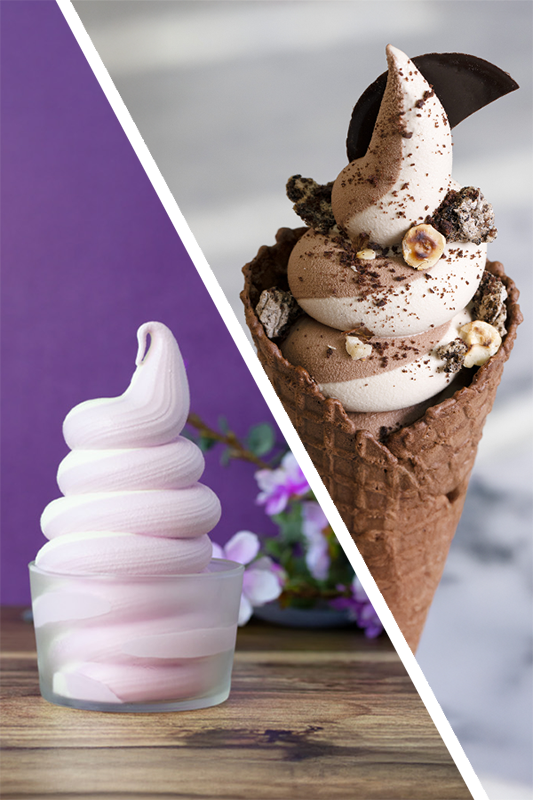
  • Twists & Swirls: For clean, stable swirls, fat parity matters. Products with similar butterfat levels twist together more smoothly, while pairing very high-fat bases with fat-free options can lead to uneven flow. Dairy soft serve can pair well with sorbet or dairy-free bases when their densities are designed to behave similarly.

How Butterfat Impacts Cost, Yield, and Profitability

Butterfat plays a direct role in what soft serve costs to make and how it performs financially.

Ingredient Cost Reality

  • Cream costs more than milk, which makes higher butterfat mixes more expensive
  • Even small increases in butterfat add up quickly across daily production

Portion Size & Perceived Value

  • Higher butterfat creates a denser, more filling soft serve
  • Smaller portions can still feel indulgent and premium
  • Clear pricing and positioning help customers understand the value

Strategic Tradeoffs

  • Less butterfat may require slightly more flavor to achieve the same impact
  • Custard-style soft serve uses eggs instead of milk fat to add richness and stability
  • The goal is balance, not the highest possible butterfat

How Itaberco Helps Customers Choose the Right Butterfat Level

Expert Guidance Based on Your Concept

Itaberco doesn’t treat butterfat as a one-size-fits-all decision. Customers receive guidance based on:

  • Market (family-focused, premium, high-volume, or specialty)
  • Equipment (gravity-fed vs pump machines)
  • Expected volume and throughput
  • Menu vision, including flavors, mix-ins, and serving style

Choosing the right butterfat level isn’t about hitting a single number. It’s about finding what works best for your concept!

Flexible Dry Mixes Designed for Real-World Operations

Our dry, shelf-stable soft serve mixes are designed to be flexible, typically landing in the 3–6% butterfat range depending on the dairy (or dairy alternative) you choose. Operators have room to fine-tune richness and texture without being locking into a fixed liquid mix.

Because our mixes are shelf-stable, they offer clear operational advantages over liquid formats:

Reduced refrigeration needs, freeing up valuable cold storage space

Easier inventory management with no need to store pallets of pre-mixed product

Greater flexibility for lower-volume or seasonal operations

The ability to source your own dairy, making it possible to work with local milk, cream, or alternative bases

FAQs: Soft Serve Butterfat Basics

Most soft serve performs best between 3–6% butterfat, with premium styles reaching up to 9% depending on equipment and volume. artificial dyes.

Butterfat is one of the key soft serve quality factors. It influences creaminess, density, flavor delivery, freezing behavior, and resistance to iciness. However, quality is also shaped by overrun, stabilizers, emulsifiers, temperature, and machine settings.

Yes. Stabilizers and emulsifiers help control texture, water movement, and consistency, especially in lower-fat or high-overrun formulations.

Soft serve mixes commonly include dairy or dairy powders, sweeteners, stabilizers, emulsifiers, and flavor components, with butterfat coming from milk, cream, or alternatives.

Buying soft serve mix wholesale can provide consistent supply, predictable pricing, and scalable quantities for higher-volume operations. Dry, shelf-stable mixes offer added flexibility, including lower refrigeration needs and control over butterfat by choosing your own dairy.

Dial In the Right Butterfat for Your Soft Serve

There’s no single “best” butterfat percentage for soft serve. The right choice depends on how you want your product to taste and feel, how it needs to perform in your machine, and what makes sense for your operation and margins.

Use this guide as a reference as you evaluate your concept, equipment, and menu goals. Ready to put butterfat into practice? Talk with the Itaberco team about choosing a butterfat level that performs for your concept.

Categories
Blog Posts Dessert Dialogues

Explore What Experts Say About Natural Food Coloring vs Artificial Food Coloring

What Are Food Scientists Saying About Natural and Artificial Colors

Behind every brilliant scoop of gelato or perfectly poured beverage is a science not everyone thinks about: the chemistry of color. The shades that catch the eye and shape first impressions are the result of careful formulation and creative design.

But the world of food color is changing. With artificial food coloring facing increased scrutiny, food scientists are moving beyond safety debates and into a new phase of innovation, designing solutions with natural food coloring.

This blog explores what today’s food scientists are saying about that shift, the breakthroughs making it possible, and how Itaberco is helping brands embrace the future of natural food color with confidence and creativity.

What Studies Reveal About Artificial Food Coloring

Across the food industry, artificial food coloring is under a microscope with recent studies driving that focus. Once prized for their bold, stable hues, these additives are now being re-evaluated through a scientific and regulatory lens.

In the U.S., the FDA’s planned phase-out of Red 3 signals a turning point, following evidence linking certain colorants to potential health and behavioral effects. The European Union continues to set the tone with strict labeling and usage limits, and other regions are quickly following suit.

Meanwhile, academic research continues to highlight possible neurological and allergenic effects in sensitive populations. Though not all findings are definitive, the message is clear: caution and transparency are becoming industry standards.

Making Natural Food Coloring Work in Real Applications

The shift to natural food coloring isn’t just an ethical or regulatory decision: it’s a technical one. For food scientists and product developers, the challenge lies in translating nature’s palette into stable, consistent, and visually stunning results across real-world applications.

Formulating with natural color sources introduces variables that artificial options once made easy to control. Heat, pH, and light exposure can all affect color intensity and tone. A brilliant pink in a beverage may fade in a baked item, while a perfect hue in ice cream might shift under dairy’s natural acidity. Achieving consistent shades across different product bases (from frozen desserts to beverages to baked goods) requires deep understanding of ingredient interactions and behavior.

Then there’s flavor impact. Because natural pigments are often derived from fruits, vegetables, or botanicals, they can introduce subtle earthy or bitter notes if used at higher concentrations. Balancing those nuances without compromising taste is part of the art and science of clean-label formulation.

Fortunately, the field has evolved dramatically. Advances in extraction, blending, and stabilization technology now allow formulators to achieve the vibrant, long-lasting hues that were once thought impossible with natural sources.

Formulating with natural color sources introduces variables that artificial options once made easy to control. Heat, pH, and light exposure can all affect color intensity and tone. A brilliant pink in a beverage may fade in a baked item, while a perfect hue in ice cream might shift under dairy’s natural acidity. Achieving consistent shades across different product bases (from frozen desserts to beverages to baked goods) requires deep understanding of ingredient interactions and behavior.

Then there’s flavor impact. Because natural pigments are often derived from fruits, vegetables, or botanicals, they can introduce subtle earthy or bitter notes if used at higher concentrations. Balancing those nuances without compromising taste is part of the art and science of clean-label formulation.

Fortunately, the field has evolved dramatically. Advances in extraction, blending, and stabilization technology now allow formulators to achieve the vibrant, long-lasting hues that were once thought impossible with natural sources.

Top Priorities for Food Scientists Working with Natural Food Coloring

As natural food coloring becomes the industry standard, four key priorities are shaping that shift for food scientists:

  • Predictability: Reliable color performance is essential. Food scientists need natural food coloring systems that hold up through heat, pH shifts, and storage, ensuring consistent hue and vibrancy from lab to large-scale production.
  • Clean Label + Compliance: With increasing restrictions on artificial food coloring, R&D teams are reformulating early to stay ahead of evolving regulations. Natural alternatives make it easier to meet FDA, retailer, and global clean-label standards while appealing to health-conscious consumers.
  • Consumer Psychology: Color shapes flavor perception and purchase intent. Naturally derived tones reinforce freshness, authenticity, and quality, helping brands connect visual appeal with emotional trust.
  • Collaborative Development: The best results come from partnership. Food scientists are working closely with ingredient innovators like Itaberco to design natural food coloring systems that integrate seamlessly with flavor, texture, and stability goals.

How Natural Food Color Is Redefining Brand Identity

Food color has always caught the eye, but today, it does much more than that. Food scientists and brand teams alike increasingly see natural food color as a key part of brand identity, blending technical performance with emotional connection. The color of a product doesn’t just enhance its look; it signals what a brand stands for: authenticity, quality, and transparency.

At Itaberco, this commitment has been part of our foundation since day one. We’ve always focused on all-natural flavor and color innovation, ensuring that our products not only taste authentic but look naturally vibrant. Our flavor compounds (concentrated blends of fruit purees, natural flavorings, and natural colorants) are expertly balanced to deliver both flavor and color in one consistent, clean-label solution. Because our compounds already incorporate natural pigments like beet juice, spirulina, and lycopene, they give chefs and product developers a simple way to achieve rich, true-to-nature results without the need for added artificial food coloring.

Real-World R&D: Solving Food Color Challenges Through Collaboration

We believe innovation begins with partnership. Great products start with understanding your goals, challenges, and creative vision. Reformulating with natural food coloring isn’t just about removing artificial ingredients; it’s about discovering new possibilities in color, texture, and flavor as well.

Our R&D team works hand in hand with clients to turn ideas into reality. Combining technical expertise with culinary creativity, we craft custom formulations that align perfectly with each brand’s identity and performance needs. Whether it’s a naturally-colored frozen dessert base, beverage syrup, pastry mix, or sauce, every solution is designed to perform flawlessly in its intended application.

Our collaborative R&D model includes:

All-in-One Expertise

We blend science and artistry to ensure color, flavor, and texture work in harmony.

Easy Natural Color Transition

We provide tailored custom solutions so switching from artificial to natural color is seamless.

Accessible Innovation

With flexible packaging and low MOQs, we make R&D-driven solutions attainable for operations of all sizes.

Reliable Partnership

Made in the USA, backed by consistent supply chains and hands-on technical support.

We also offer flexible packaging options and some of the lowest minimum order quantities (MOQs) in the industry, making innovation accessible for businesses of any size.

For us, “natural” doesn’t mean compromise. It means technically advanced, precisely formulated, and tailored to your vision. We’ll bring your ideas to life through collaborative R&D, helping you create products that look beautiful, taste exceptional, and perform with confidence in every batch.

Transform Your Product Line with Proven Natural Food Color Solutions

The move from artificial to natural food color marks a permanent shift in how the industry approaches quality and innovation. Food scientists agree: clean, high-performing color systems are the future of food and beverage development.

Itaberco is more than an ingredient supplier; we’re your R&D partner. Our team combines scientific precision with creative formulation, helping brands design color systems that are vibrant, stable, and aligned with today’s clean-label standards.

Let’s engineer the future of color together. Connect with our R&D team to start your next formulation project and bring truly natural brilliance to your product line.

Categories
Blog Posts Dessert Dialogues

From Concept to Cup: How Our Custom Flavors Are Made

From Concept to Cup: How Our Custom Flavors Are Made

What was the last dessert or beverage you had that was so memorable you can’t wait to get it again?

Maybe it’s the tang of a paloma sipped on a rooftop in Spain or the nutty citrus layers of a pistachio blood orange croissant from a Parisian bakery. Moments like these make creative artisans wonder: Could I bring that same experience to my customers?

Innovation defines brand identity. Consumers crave originality, transparency, and flavors that tell a story. Understanding the custom flavor manufacturing process is how forward-thinking brands stay ahead, offering unique flavors in a saturated market.

Here’s how Itaberco makes turning your ideas into signature creations faster, easier, and tastier than ever with our proven flavor manufacturing process.

Step 1: A Discovery Call to Turn Vision into Flavor

Our free, no-obligation discovery call is where your idea begins to take shape.

You don’t need technical jargon or a background in food science to get started. Just a vision is enough! Our team of pastry chefs, food scientists, and R&D innovators guides you through every detail, helping translate inspiration into something tangible. We’ll define your applications and flavor profile together so it performs the way you imagine it in your final menu item.

Step 2: R&D Collaboration

Once your goals are defined, our R&D team takes the lead, combining culinary intuition with scientific precision to bring your idea to life. This stage is the heart of the flavor manufacturing process, where science and creativity meet to produce something truly original. Your samples are ready fast in just 4-6 weeks.

Custom Development Options

From bold, trend-driven concepts to subtle, balanced notes that elevate your existing lineup, our team develops flavors that express your brand’s story in every bite and sip. We formulate custom flavor compounds, syrups, and toppings to perform beautifully in any setting. Our capabilities extend across beverages, pastries, frozen desserts, and confections.

Some brands come to us to reimagine a nostalgic favorite; others want to create something entirely their own. Maybe you want the crisp tartness of a Granny Smith apple instead of a generic “apple” base. Or maybe you’re imagining a tropical punch that bursts with coconut, then follows with a hint of cherry. Each custom flavor is crafted for its intended use, like shining in a latte, retaining its integrity through freezing, or perfectly complementing a delicate mousse.

While custom flavor is the star of the show, we also fine-tune texture and dietary solutions so every formulation performs beautifully in the real world.

The All-Natural Ingredients Behind Every Exceptional Flavor

Every flavor we create begins with clean, trustworthy ingredients. “Natural” is the foundation of how we operate, not just meeting a trend.

While the recent bans and scrutiny surrounding synthetic colorants like Red Dye 40 are pushing brands to rethink their ingredients, we’ve always stayed ahead of that curve. Our color and flavor solutions have long been designed without synthetic dyes. Instead, we use natural sources that deliver vibrant results without compromise like beet, spirulina, turmeric, and carrot.

Step 3: Perfecting the Flavor Profile

Next, we develop iterations of your custom flavor. You’ll get to taste-test samples until everything is fine-tuned to your vision. Join us at our kitchen in Baltimore, MD for an in-person tasting or look for samples to arrive at the address of your choosing!

Beyond taste, we evaluate texture and viscosity as well to ensure the flavor performs beautifully across your real-world conditions. The result is a formula that’s not only delicious but repeatable, scalable, and ready to become a signature part of your brand.

Step 4: Production & Delivery

All production takes place in our U.S.-based, SQF-certified U.S. facility. With all of the flavor manufacturing process under one roof from formulation to production, we’re able to deliver a level of control and reliability that global brands can depend on.

Speed and flexibility are at the core of our process. Take advantage of short lead times and some of the lowest minimum order quantities (MOQs) in the industry, making it easy to move from prototype to market launch without unnecessary hurdles. Introducing a seasonal menu item fast or preparing for a nationwide rollout is a breeze with Itaberco as your partner!

Each order is thoughtfully packaged to match your application and brand needs. Versatile liquid and dry packaging options, including bottles, jugs, pails, drums, jars, and resealable bags, offer a format that will fit your workflow perfectly.

Our products are built to scale, performing with the same consistency and quality in a single shop as they do across a hundred locations.

Step 4: Production & Delivery

All production takes place in our U.S.-based, SQF-certified U.S. facility. With all of the flavor manufacturing process under one roof from formulation to production, we’re able to deliver a level of control and reliability that global brands can depend on.

Speed and flexibility are at the core of our process. Take advantage of short lead times and some of the lowest minimum order quantities (MOQs) in the industry, making it easy to move from prototype to market launch without unnecessary hurdles. Introducing a seasonal menu item fast or preparing for a nationwide rollout is a breeze with Itaberco as your partner!

Each order is thoughtfully packaged to match your application and brand needs. Versatile liquid and dry packaging options, including bottles, jugs, pails, drums, jars, and resealable bags, offer a format that will fit your workflow perfectly.

Our products are built to scale, performing with the same consistency and quality in a single shop as they do across a hundred locations.

What started as a spontaneous weekend hobby and a pink ice cream bike at a local farmers market has grown into a thriving dessert brand with nationwide reach. Katherine O’Brien, founder of Cream Cruiser, turned curiosity and creativity into a business one handcrafted ice cream sandwich at a time.

Through partnership with Itaberco, Katherine learned how to scale production efficiently, refine her recipes, and transform a passion project into a fully realized business. The Itaberco team helped her develop frozen dessert formulations, streamline packaging systems, and even guided her through her first Whole Foods collaboration.

Real Results: Turning Ideas into Market Success

What started as a spontaneous weekend hobby and a pink ice cream bike at a local farmers market has grown into a thriving dessert brand with nationwide reach. Katherine O’Brien, founder of Cream Cruiser, turned curiosity and creativity into a business one handcrafted ice cream sandwich at a time.

Through partnership with Itaberco, Katherine learned how to scale production efficiently, refine her recipes, and transform a passion project into a fully realized business. The Itaberco team helped her develop frozen dessert formulations, streamline packaging systems, and even guided her through her first Whole Foods collaboration.

“When I first was connected with Itaberco I knew absolutely nothing. I had zero culinary experience. They shaped my entire business into what it is today. And set me up with the tools to make my products efficiently and affordably.”

– Katherine O’Brien, Cream Cruiser Founder

Your Partner in Custom Flavor Manufacturing

The flavor industry is at an exciting crossroads. As consumer expectations evolve, the brands that thrive are those that invest in innovation. Itaberco sits at the forefront of this movement, helping artisans turn evolving trends into lasting success with custom flavor manufacturing. Our focus remains simple: empower creators to make better, cleaner, and more meaningful flavor experiences.

Imagine what you could create with the right support behind you! A signature flavor that captures your brand’s essence, a product line that sets a new standard, or a menu that customers can’t stop talking about are all within reach. Take the first step today to turn your idea into reality.

Categories
Blog Posts Dessert Dialogues

How to Replace Red 40 Dye with Natural Food Coloring​

How to Replace Red 40 Dye with Natural Food Coloring

Red 40 Dye has long given food and beverage products the vibrant, reliable red consumers expect. But as the industry pivots toward cleaner, plant-based ingredients, synthetic colorants are coming under fresh scrutiny.
While Red 40 remains permitted nationwide, the regulatory environment is shifting: Red 3 is already slated for phase-out, and California plans to restrict Red 40 in public schools beginning in 2027.

For chefs, product developers, and R&D teams, the question is no longer why to move away from synthetic dyes, but how to do it without losing the color performance their products rely on.

This blog will walk you through how to evaluate natural pigments and incorporate them into your formulations in a way that preserves product quality, while helping you prepare for what’s ahead.

Why Is Red 40 Dye Being Banned?

The shift away from red dyes including Red 40 reflects larger changes in how consumers and brands think about color in food. Several key factors drive this transition:

  • Health-related concerns include:
  • Growing clean-label demand: Shoppers increasingly prefer recognizable, plant-derived ingredients and are wary of synthetic additives.
  • Brand and menu alignment: Synthetic dyes can feel out of place in products positioned around transparency or natural sourcing.
  • Regulatory momentum and risk: As dye regulations tighten across states and global markets, relying on synthetic reds introduces long-term compliance and reputational risks.

Together, these forces encourage many brands and development teams to assess whether synthetic colors still support their goals or whether natural colors offer a more sustainable direction forward.

A Step-by-Step Approach to Replacing Red 40 Dye with Natural Food Coloring

Natural colors have become the practical path forward for many developers, not just because they support cleaner labels, but because they align more closely with how consumers expect food to look and feel. But unlike Red 40, which behaves the same in almost any environment, natural pigments respond to the conditions around them.

This means replacing Red 40 isn’t a simple one-to-one swap. It’s a process of understanding how natural colors work and what they need to perform reliably.

The steps below outline how to make that transition successfully.

Flavor Compound Raspberry Pouring

Step 1: Understand What Natural Colors Need to Perform

Natural pigments are sensitive to their surroundings. Their shade and stability depend on factors like:

  • pH
  • Heat and processing conditions
  • Light and oxygen exposure
  • Fat content and ingredient interactions

You don’t need to master chemistry, you only need to know that natural colors behave differently than synthetic dyes. Recognizing these variables helps you choose the pigments that fit your product rather than forcing one that doesn’t.

Step 2: Explore the Natural Red Options

Once you understand your product environment, you can match it with pigments that naturally thrive in those conditions.

  • Beet-Derived Colors
    • Strengths: Bold magenta-to-red hues, great in cold or lightly heated applications
    • Considerations:  Can brown at high heat or high pH
  • Red Radish & Purple Sweet Potato
    • Strengths: Highly heat-stable, strong performers in baking and confectionery
    • Considerations: May lean pink in acidic systems
  • Anthocyanins (Berry, Grape, Hibiscus)
    • Strengths: Beautiful pink-to-violet tones, excellent in acidic products
    • Considerations:  Sensitive to pH shifts and light
  • Carmine
    • Strengths: One of the most stable and vibrant natural reds available
    • Considerations:  Not always compatible with dietary or brand preferences

While you can’t find one universal replacement, you can choose the pigment that best fits your application.

Step 3: Test in Small, Focused Batches

Once you’ve narrowed your choices, small-scale prototyping shows how a color will actually behave in your product.

Consider evaluating:

  • Basic usage rates (low, medium, high)
  • Processing impact (heat, freezing, aeration, mixing)
  • Flavor interactions (even subtle color sources can contribute notes)
  • Storage stability (how it looks after hours, days, or weeks)

Step 4: Make Light Adjustments Based on What You See

In most cases, natural reds need only minor tuning to reach consistent performance. That may include:

  • Small pH adjustments
  • Supporting the pigment with stabilizers
  • Improving dispersion in fat-based systems
  • Pairing pigments for a more balanced tone
  • Adjusting when the color is added

Step 5: Aim for a Shade That Feels Native to the Product

The most successful natural reds feel true to the flavor and identity of the food.

Examples:

  • A strawberry gelato with a ruby, fruit-forward hue
  • A hibiscus beverage with its natural botanical tint
  • A pastry with a warm, inviting red rather than a neon brightness

Natural pigments shine when the final color supports the story the product wants to tell.

How Itaberco Helps Dessert and Beverage Brands Transition to Naturally-Colored Flavor Systems

Switching to natural color isn’t always a plug-and-play swap since flavor, color, pH, stability, and application behavior can all be impacted once an artificial dye is removed. That’s why dessert and beverage brands partner with Itaberco. We re-evaluate your formulas using naturally-colored flavor systems that deliver consistent, application-ready performance for both flavor and color.

Our collaborative R&D team helps you navigate:

  • How natural pigments perform in frozen environments
  • How natural colors hold up under heat in baking and pastry
  • How light or pH shifts can impact natural colors in beverages
  • The best usage rates for consistent shade and visual appeal
  • That your final product still matches the classic cues customers expect (such as a naturally pink strawberry or a golden, true-to-fruit mango)

Stay ahead of evolving clean-label regulations and consumer expectations.

Partner with Itaberco today to achieve reliable results and reduce trial-and-error.

Natural Colors and the Ban on Red 40 Dye: FAQs

No. Red 40 is still permitted at the federal level. However, Red 3 is being phased out and California has announced upcoming restrictions on Red 40 and other synthetic dyes in foods sold in public schools beginning in 2027. These changes signal growing regulatory momentum around artificial dyes.

Natural pigments behave differently, but when chosen and formulated intentionally, they can deliver vibrant, stable color across many applications. The key is selecting the right pigment for your product’s pH, processing conditions, and storage environment.

The biggest challenge is that natural colors are sensitive to their environment, and heat, pH, fat content, and processing can affect their shade and stability. These challenges can be addressed through proper pigment selection and thoughtful formulation.

Most modern natural pigments are highly refined and nearly flavor-neutral, though some (like beet) may contribute subtle notes at higher usage levels. Flavor compounds, like those offered by Itaberco, help balance and integrate color seamlessly.

Popular alternatives include beet-derived colorants, red radish, purple sweet potato, and anthocyanin-rich sources like berries, hibiscus, or grapes. Carmine is another highly stable option for teams that can accommodate it.

Moving Beyond Red 40 Dye with Confidence

Replacing Red 40 is a strategic step that supports both clean-label goals and the regulatory changes already taking shape. With the right pigment selection and thoughtful refinement, natural reds can deliver impressive vibrancy, stability, and flavor harmony while strengthening the authenticity of your ingredient story.

If you’re ready to move away from artificial dyes, we’re here to guide the process seamlessly. We’ll help build naturally-colored flavor solutions that are reliable, clean-label, and ready for the future. Let’s upgrade your formulation together.

Categories
Blog Posts Dessert Dialogues

Learn more about Itaberco’s custom flavor development process

Learn more about Itaberco’s custom flavor development process

Every great flavor starts with an idea, that what if moment that sparks excitement about your dessert or beverage menu. Maybe it’s a twist on a classic, a flavor no one’s ever tried, or a way to capture your brand’s personality in a single bite or sip.

Off-the-shelf flavorings are a great foundation, but sometimes your imagination runs further. When your team envisions something extra creative, something that doesn’t exist yet, the usual options can only take you so far.

That’s where custom flavor development comes in. At Itaberco, we believe going custom shouldn’t be complicated. It should be fun, collaborative, and full of innovation. Our process is built for creative freedom, helping artisan brands bring bold, unique ideas to life quickly and affordably.

Why Custom Flavoring Is Driving the Next Wave of Dessert and Beverage Innovation

The dessert and beverage world is moving faster than ever, and creativity has become the new currency. Consumers aren’t just buying treats or drinks anymore; they’re chasing experiences. They want flavors that surprise them, stories they can share, and ingredients they can feel good about.

That shift is pushing brands to think bigger. Clean-label, natural ingredients are now the rule, not the exception. Vegan and allergen-friendly offerings have moved from niche to normal. And across every menu and product line, flavor is what sets one brand apart from the next.

That’s where custom flavoring shines. It’s how visionary teams turn trends into something truly their own: a signature syrup, a seasonal dessert, a beverage that becomes the talk of the café. With Itaberco as a partner, brands can explore unexpected combinations, refine performance, and move from concept to creation faster than ever before.

Why Leading Brands Choose Itaberco for Flavor Development

What sets Itaberco apart isn’t just what we make—it’s how we make it. Most partners handle either formulation or production, but rarely both. That split can create disconnects, delays, and compromises in quality.

Everything happens under one roof at Itaberco. From the moment your idea is brainstormed with our R&D team to the day it rolls off our production line, every step is handled by experts working together in the same SQF-certified U.S. facility. That means faster timelines, smoother communication, and consistency that carries from concept to finished product.

This all-in-one approach gives you the best of both worlds: the creativity of a development lab and the reliability of a full-scale manufacturer. No juggling multiple vendors, no gaps in translation, and no lost time.

And the advantages don’t stop there! Explore how our approach delivers even more value for your brand below.

Why Itaberco Stands Apart in Flavor Development

Behind every great dessert or beverage is a maker with vision, someone chasing a flavor that’s never been done quite this way before. Itaberco shares that same creative spirit. We love partnering with pastry chefs, baristas, and product developers who view flavor as both art and science, and we’re passionate about finding inventive, practical ways to make their ideas real.

That passion, combined with our all-under-one-roof process, allows us to deliver a level of flavor development that’s as imaginative as it is reliable. Here’s what you can expect when you work with us:

  • Speed to Market: From concept to taste-ready samples in just weeks (and full production in about 20 business days), our streamlined process helps you stay ahead of trends without sacrificing quality or consistency.
  • Accessible Innovation: With low minimums and no upfront costs, Itaberco makes custom development feasible for every scale, from boutique cafés exploring new concepts to national brands expanding product lines.
  • Quality You Can Trust: Every product is made in our SQF-certified, U.S.-based facility, ensuring safety, consistency, and reliability from the first batch to the hundredth.
  • Collaborative Partnership: Our R&D food scientists work directly with you, refining every nuance of taste, aroma, and texture until your product perfectly captures your vision.
  • White Labeling & Packaging Options: Once your custom flavor is perfected, we can package it in formats that align with your brand, ensuring your finished product is a true reflection of your brand’s identity.

Real Results: Itaberco Turns Ideas Into Market-Ready Flavors

Some of the best flavors begin with a spark of curiosity, a “what if we tried…” moment that turns into something customers can’t stop talking about, like:

  • A Coffeehouse Original: A specialty café wanted to craft a signature syrup that embodied its brand. Working with our R&D team, they created a custom flavoring that layered toasted sugar and honey notes with a hint of floral spice, designed to bloom perfectly in espresso.
  • Seasonal Brilliance: A gelato maker dreamed of a rotating menu of seasonal flavors. Together, we built custom flavor compounds highlighting fruit and botanical notes that evolved with the seasons, from summer berries to winter spice.
  • Brewery Innovation: A craft brewery set out to create a limited-release ale inspired by tropical desserts. Working with our R&D experts, they developed a custom flavor blend balancing mango, coconut, and subtle vanilla notes that complemented the brew’s natural profile.

Looking for a Unique Flavor?

Let’s customize together! From scratch creations to tweaks of existing profiles, our R&D team helps you build signature flavors your customers can’t get anywhere else.

Start Your Custom Flavor Journey with Itaberco

Are your wheels turning? We can’t wait to hear what you’re dreaming up! We’re your one-stop partner for custom flavor development, guiding your vision from initial formulation to full-scale production. With everything under one roof, we make the process seamless and completely tailored to your brand:

1. Discovery & Alignment

Tell us your goals, menu use-case, and constraints—no technical background needed.

2. R&D Collaboration

Work directly with our food scientists to translate your vision into testable formulas.

3. Sampling (≈ 4–6 Weeks)

Receive samples or visit our Test Kitchen for tastings and feedback.

4. Refine & Approve

We tweak flavor, texture, and format until it’s perfect for your application.

5. Confirm Order Details

Finalize MOQ, packaging, lead time, and pricing.

6. Production & Delivery (≈ 20 Business Days)

Production is simple with delivery in about 20 business days.

7. Ongoing Support

We’ll provide any training, technical guidance, and resources to help you scale.

If you’re ready for a process that’s fast, affordable, and full of creative energy, we’re here to help. Together, we’ll craft bold flavors your customers will crave again and again.

Let’s make it happen! Request a consultation today and see how effortless custom flavor development can be with Itaberco by your side.

Categories
Blog Posts Dessert Dialogues

The Truth About Red Dyes: Why They’re Being Banned and What It Means for You

The Truth About Red Dyes: Why They’re Being Banned and What It Means for You

If you’ve been following food and beverage headlines lately, you’ve probably noticed growing concern around artificial red dyes. From Red 3 to Red 40, these once-standard colorants are now under increasing scrutiny from regulators, advocacy groups, and consumers alike. California has already moved to ban certain synthetic dyes, and with the FDA targeting Red 3’s removal by 2027, more states and countries are expected to follow as the red dye ban gains momentum.

But what does this really mean for the chef developing a new menu item, the manufacturer reformulating a product line, or the distributor working to meet customer demand? More importantly, what does it mean for the everyday consumer who simply wants to trust what’s on their plate?

This shift is bigger than a single ingredient—it’s part of a broader movement toward clean-label transparency and health-conscious innovation. But while many brands are scrambling to reformulate, others have long been ready for this moment. At Itaberco, clean-label, naturally derived colors have been part of our foundation from the very beginning—not as a response to regulation, but as a commitment to quality and integrity.

In this blog, we’ll explore why red dyes are being banned, the risks behind artificial colorants, and what this transition means for you. Most importantly, we’ll highlight how Itaberco can help you embrace natural colors without sacrificing performance or appeal.

What’s Happening with the Red Dye Ban?

For decades, synthetic food dyes like Red 3 and Red 40 have been used to create the bright, eye-catching shades we associate with candies, beverages, baked goods, and even everyday pantry staples. But in recent years, mounting scientific evidence and growing consumer concerns have sparked a wave of regulatory action and public debate. On a federal level, the FDA has moved to revoke authorization for Red 3 in food and ingested drugs by 2027, signaling a nationwide shift is already underway in the larger red dye ban movement.

  • Red 3: Once widely used in candies, baked goods, and snack foods, Red 3 has been linked to potential carcinogenic effects in laboratory studies. As a result, the FDA banned its use in cosmetics and topical products years ago. Now, pressure is mounting for similar restrictions in food.
  • Red 40: One of the most common dyes in the U.S., Red 40 is still legal but increasingly criticized for potential links to hyperactivity in children and allergic reactions in sensitive individuals.
  • Regulatory movement: In 2023, California became the first U.S. state to ban Red 3, along with other controversial additives, setting a precedent that other states are expected to follow. Meanwhile, the European Union has long taken a stricter approach, requiring warning labels or restricting use of certain synthetic dyes altogether. These actions underscore how the red dye ban trend is expanding across markets.

Consumer Distrust​

Today’s consumers are more informed than ever. Ingredient labels are scrutinized, and anything that looks chemical or artificial raises red flags. Shoppers increasingly associate synthetic colorants with “junk food,” even if the product itself is otherwise wholesome.

Industry Challenges

For foodservice operators, manufacturers, and distributors, artificial dyes carry real business risks:

  • Reformulation pressure: Brands are being pushed to remove synthetic additives or face being left behind.
  • Reputation risk: Using controversial dyes can harm trust with customers and trade partners.
  • Global compliance: Companies selling in both the U.S. and international markets must navigate different (and often stricter) regulations abroad.

Why Natural Colors Are the Future

Natural colors have evolved far beyond the muted shades of the past, offering vibrant, stable, and versatile solutions that meet the demands of today’s consumers and industry professionals.

The Clean-Label Movement

Consumers want transparency. They look for short, recognizable ingredient lists and products they can trust to be safe for their families. Artificial dyes don’t fit this expectation, but natural colors derived from fruits, vegetables, and botanicals do. By choosing natural alternatives, brands can proudly align with clean-label standards and gain consumer confidence.

Performance That Matches (or Surpasses) Synthetics

For years, one of the main hesitations about natural colorants was performance: Would they fade, would they hold up in heat, or would they compromise taste? The answer today is clear: natural colors are ready for prime time. Innovations in extraction and formulation mean natural reds can deliver brilliant shades that rival synthetics, shelf stability and consistency across applications, and seamless incorporation into bakery, confectionery, beverage, and dairy products.

A Future-Proof Choice

As regulations tighten and consumer preferences shift, adopting natural colors isn’t just a trend; it’s a way to future-proof your products. Whether you’re a chef, manufacturer, or distributor, natural colors help you stay ahead of changing standards while strengthening your brand reputation as a provider of safe, innovative, and high-quality offerings.

What This Means for Industry Professionals

  • Simplified production: Natural colors reduce complexity, improve consistency, and minimize the risk of consumer pushback.
  • New opportunities: Clean-label alternatives open the door to distinctive, trend-forward offerings that stand out in competitive markets.
  • Elevated quality: Plant-based colors enhance taste, texture, and presentation, transforming standard recipes into standout creations.
  • Competitive advantage: Stocking natural, compliant solutions ensures in-demand products that strengthen trust and protect brand reputation.

Clean Label Before It Was a Buzzword

When Itaberco first began developing flavors and colors, we set a simple rule rule: every ingredient should serve both creativity and conscience. Long before “clean label” became an industry phrase, our products were designed to perform naturally—crafted from fruit and botanical sources that align with evolving health and transparency standards.

Did You Know? Itaberco has always sought natural alternatives to synthetic dyes like Red 3 and Red 40—no reformulation required.

Itaberco’s natural color portfolio has always been free from Red 3, Red 40, and other synthetic dyes—no reformulation required.

How Itaberco Helps You Transition Smoothly

For brands now navigating new color regulations, Itaberco’s solutions provide a ready, proven path forward—no reformulation scramble required. That’s why we’ve designed our natural color solutions to make the transition seamless.

  • Trusted Expertise: With decades of experience in flavors, colors, and functional ingredients, our team brings both technical knowledge and culinary creativity to help you succeed.
  • Vibrant Natural Reds: Our portfolio of plant-based reds delivers brilliant, stable color across bakery, confectionery, beverage, dairy, and frozen applications—without compromising flavor or texture.
  • R&D Collaboration: We don’t just sell ingredients; our in-house pastry chefs and R&D team co-develop solutions tailored to specific needs, from concept to launch.
  • Ease of Adoption: With sampling programs, technical support, and training, we ensure your team can confidently switch to natural colors without disruption.
  • Distributor Support: For distributing partners, we offer marketing resources, product education, and reliable supply to strengthen customer relationships and open new revenue opportunities.

Today Is the Day to Go Natural

The growing restrictions on artificial dyes aren’t just about compliance: they’re a wake-up call. Consumers are demanding transparency, regulators are raising the bar, and brands that adapt quickly will be the ones that thrive. With the FDA setting a 2027 deadline for Red 3’s removal from foods and drugs, the time to act isn’t later—it’s now.

The red dye ban is accelerating, and Itaberco is here to make that transition effortless. Our vibrant, plant-based reds are engineered for real-world performance.

Regulations will continue to evolve, but with Itaberco, your products are already compliant, future-ready, and backed by decades of expertise in natural formulation. The red dye ban may be new to the headlines, but it’s not new to us.

Partner with Itaberco to reformulate with confidence, protect brand trust, and stay ahead of changing standards.

Get in touch with our team today to explore our natural color solutions and request samples.

Categories
Blog Posts Dessert Dialogues

R&D Trends

R&D Trends

Food trends don’t happen overnight; they move through a cycle of inception, adoption, proliferation, and ubiquity. A flavor might start in niche circles, gain traction on social media, spread across restaurants and retail, and eventually land on mass-market menus. But success isn’t just about being new. The trends that last are those that balance novelty with relevance, shaped by cultural influences, wellness priorities, and sustainability values.

At Itaberco, R&D plays a central role in navigating this cycle and turning ideas into scalable flavor compounds that work across categories. From Dubai pistachio chocolate to brown butter and “swicy” mashups, this blog explores today’s top food trends and the innovations guiding their journey from concept to consumer.

Common R&D Trends Shaping the Industry

  • Clean Label & Natural Ingredient Innovation: Consumers demand transparency, like clean extracts, all-natural coloring, and botanical infusions instead of artificial additives.
  • Functional Flavor Compounds: Flavor is now expected to do more, with compounds that add wellness benefits like antioxidants, adaptogens, or probiotics.
  • Sustainability & Upcycled Ingredients: Upcycled cacao shells, fruit pulp flours, and vegetable byproducts are becoming everyday flavor sources, supporting circular innovation.
  • Hyper-Regional & Cultural Flavor Mapping: Local inspirations like black sesame in pastry or chili lime in snacks are moving into mainstream formats, blending tradition with novelty.

Top Food Trends to Watch

Food trends move fast, often accelerated by social media, retail adoption, and cultural curiosity. These trending food ideas illustrate how R&D teams identify what’s next, test its staying power, and decide whether it will remain a fleeting novelty or evolve into a market staple.

Dubai Pistachio Chocolate’s Ubiquity

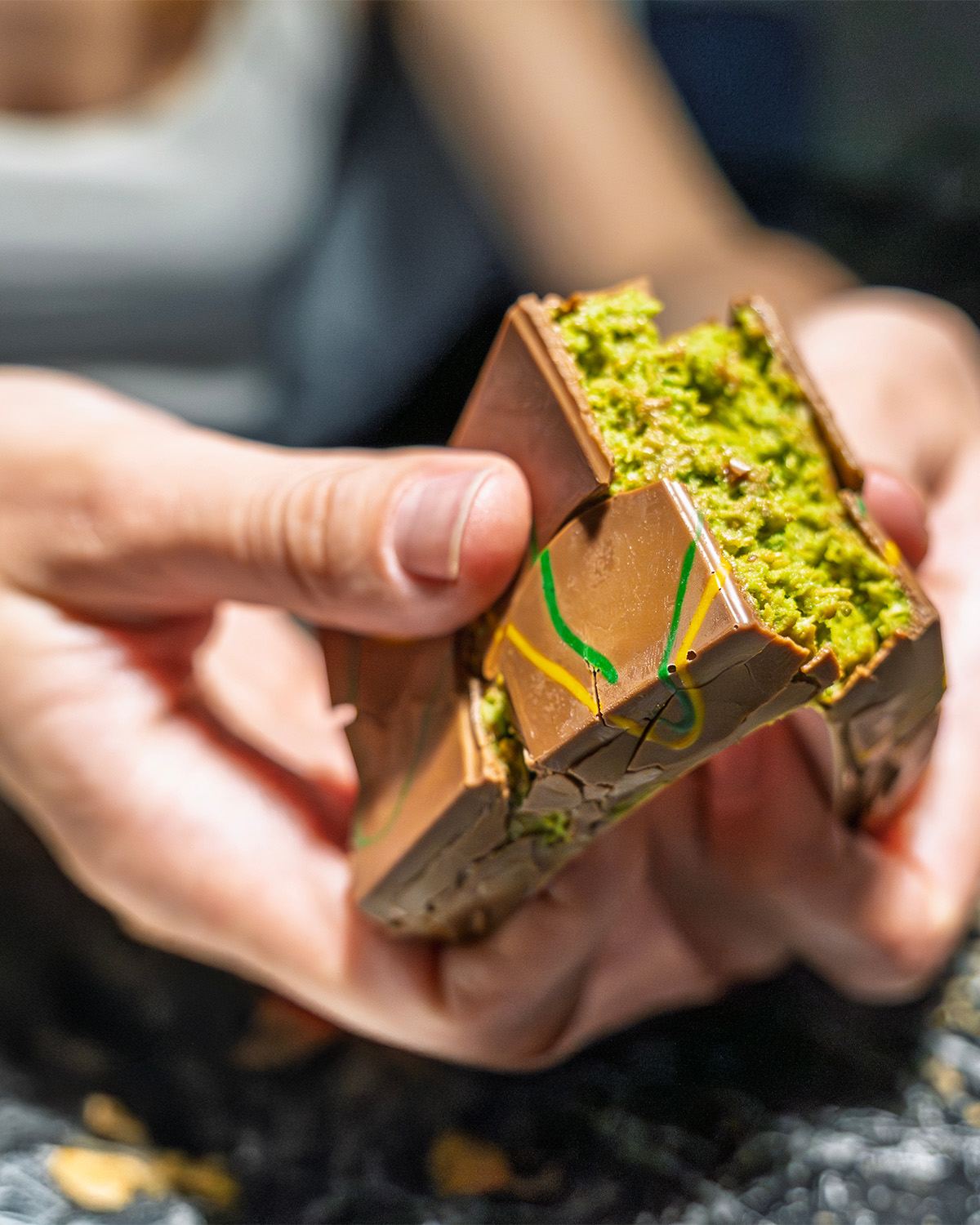
Few flavors illustrate the inception-to-ubiquity lifecycle more clearly than Dubai pistachio chocolate. Created in 2022, it gained early traction on TikTok in 2023, spread through adoption in 2024, and by 2025 has achieved global ubiquity. What began as a regional specialty is now everywhere: McDonald’s offers pistachio doughnuts in Spain, Italy has a Pistachio McFlurry, and U.S. retailers like Trader Joe’s, Costco, and Shake Shack have embraced it as well.

The popularity has been so overwhelming that a pistachio shortage was announced in April 2024. For R&D teams, this is a textbook example of how quickly a novelty can accelerate into a global staple and why monitoring lifecycle stages is critical for anticipating demand.

Brown Butter’s Cozy Resurgence

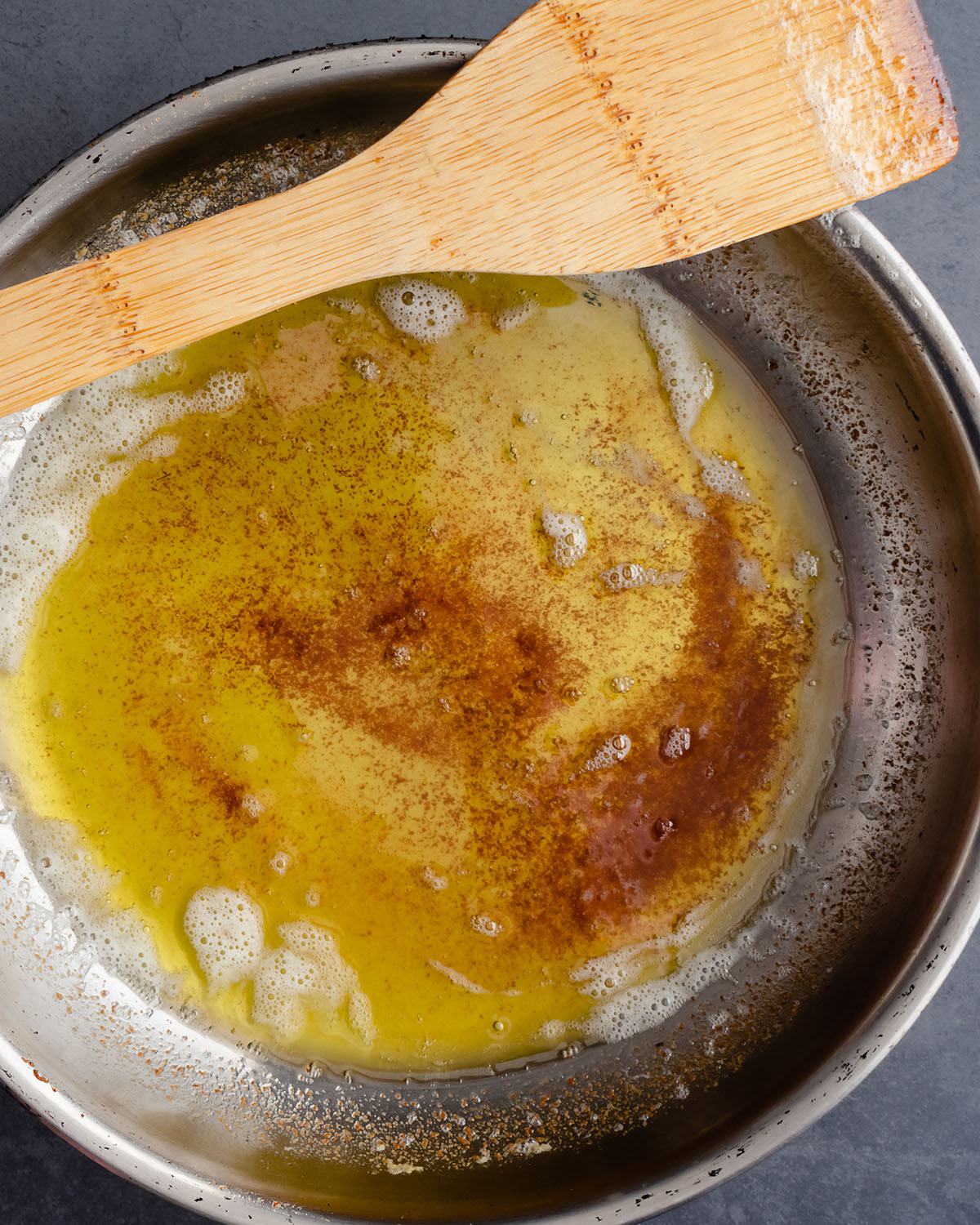
Brown butter was once a niche ingredient in gourmet ice creams, such as Jeni’s Brown Butter Almond Brittle (2009), Häagen-Dazs Salted Brown Butter, and Hershey’s Brown Butter Bourbon Truffle, but has now expanded far beyond frozen desserts. Restaurants like Super Bueno in New York are now experimenting with brown butter in unexpected applications, including a brown butter–infused tequila. Its rich, nutty depth makes it a natural fit for the fall season, and many in the industry are forecasting that it could become the “new pumpkin spice”, a cozy, versatile anchor that feels seasonal without oversaturation.

Fall Flavors​

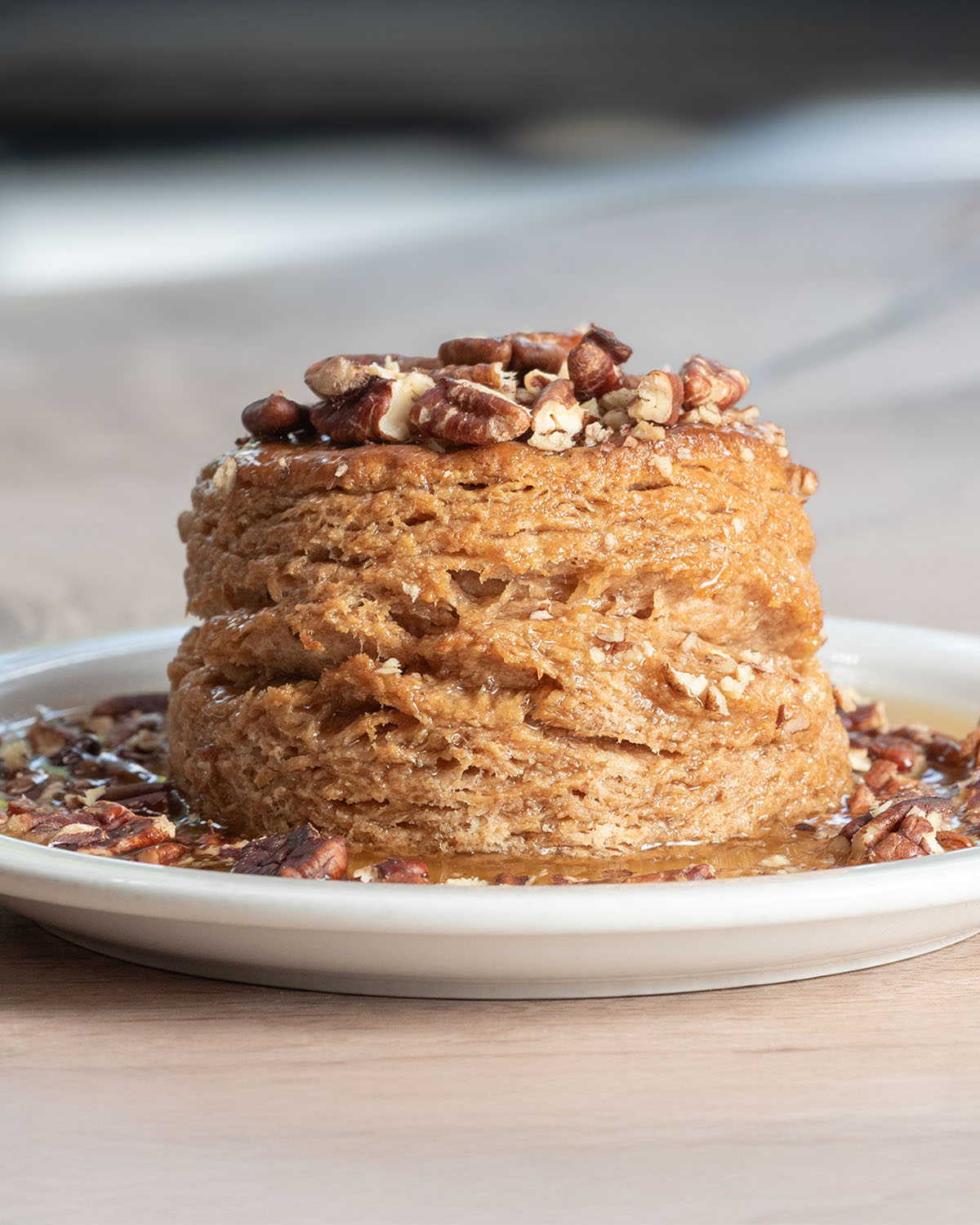
Autumn has always been synonymous with comfort, but consumers are beginning to look beyond the pumpkin spice dominance of the past decade. Starbucks helped set the stage in 2024 by spotlighting apple crisp and pecan, signaling a broader move toward flavors that still feel seasonal but offer new experiences.
As Itaberco’s R&D Manager, Jamie French, observed,

“Pecan is such an underrated fall flavor. I’d love to see more creative twists on it. Not just traditional pecan pie, but something playful, like a pecan pie ice cream. It has so much potential beyond the classic format.”

Together, apple, pecan, and brown butter present an opportunity to redefine cozy fall flavor profiles while providing relief from pumpkin spice fatigue.

Dill Pickle & the Power of the Unexpected

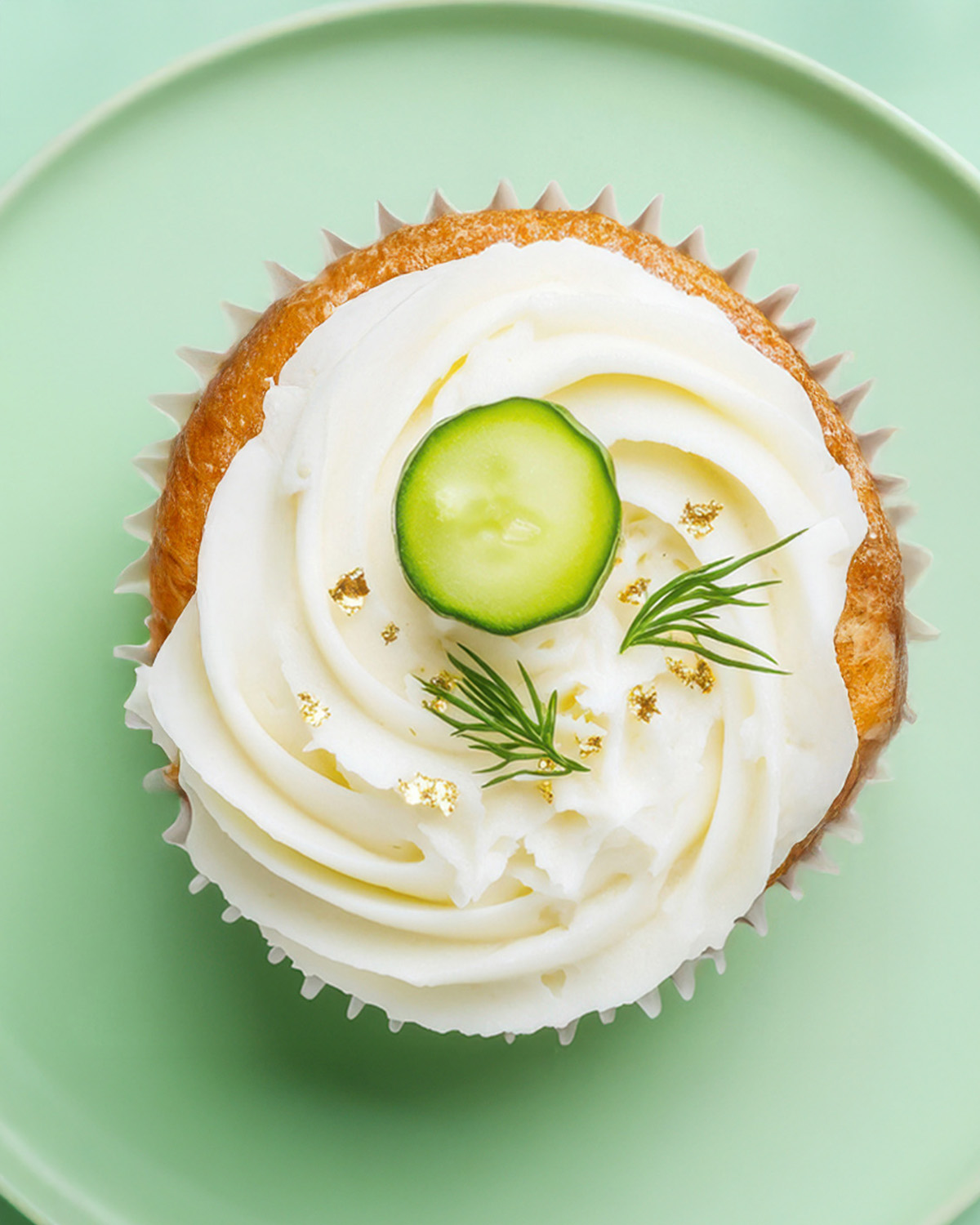
Dill pickle began as a novelty but has steadily carved out space as a legitimate flavor trend. What might have seemed quirky a few years ago is now a cross-category staple, appearing in everything from beers and Cup Noodles to Goldfish crackers, Heinz Pickle Ketchup, Trader Joe’s mini hot dogs, and even Shake Shack’s fried pickles. The bold, briny flavor has even jumped into bakery, with Baked by Melissa releasing a dill pickle cupcake.

Emerging Beverage Trends

The beverage category is undergoing a fascinating transformation, with growth happening at both ends of the spectrum. On one side, consumers are increasingly embracing alcohol-free alternatives that align with wellness and moderation. On the other, cocktails are enjoying a creative renaissance, with mixologists reinventing classic formats like the martini in bold, unexpected ways.

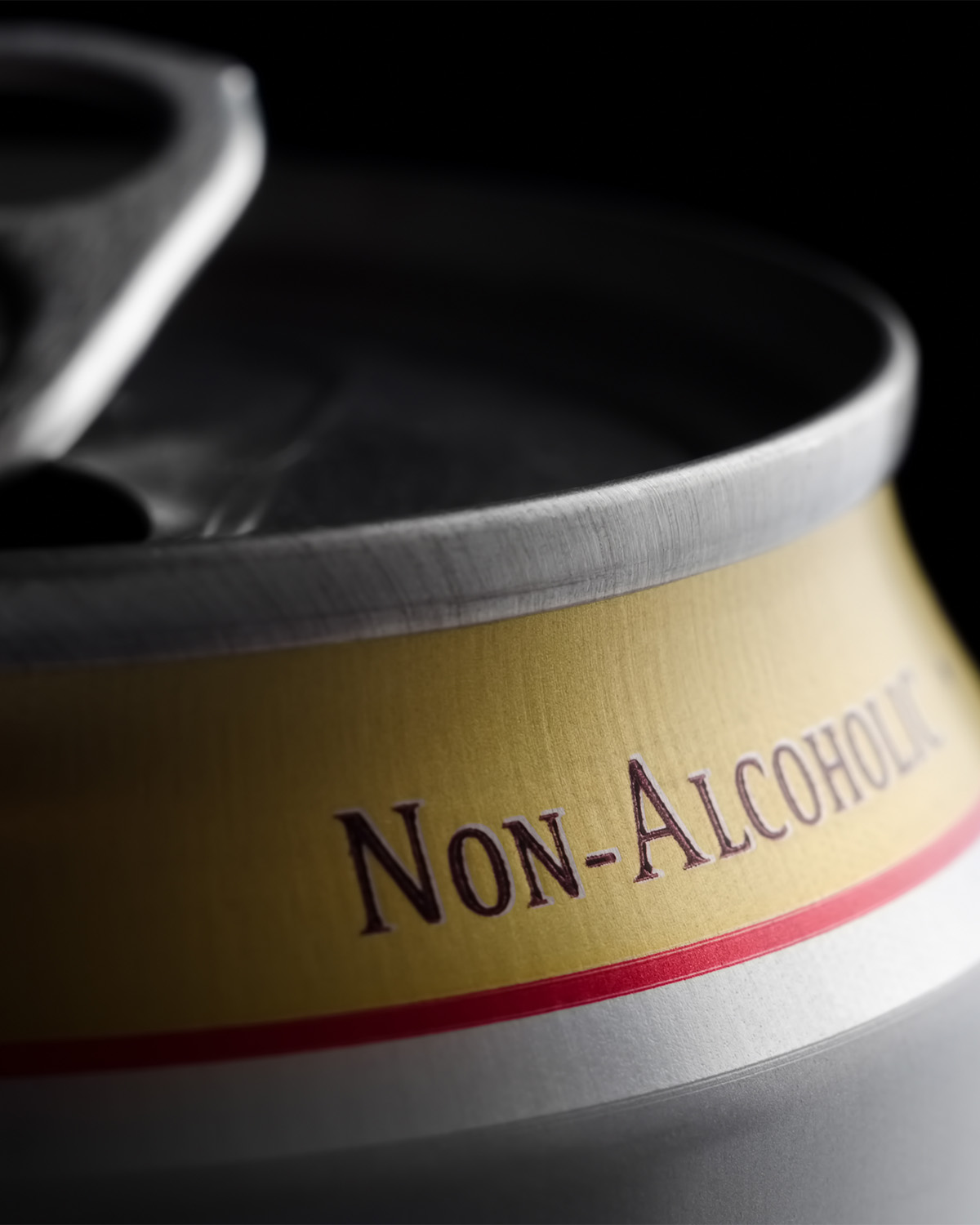
Non-Alcoholic Beverages on the Rise

The “sober curious” movement has gained significant momentum, and the numbers tell the story. In 2024, the global non-alcoholic beer category grew by 9%, while overall alcohol consumption declined by 1%. Heineken’s 0.0 posted 14% growth in the first half of the year. Industry forecasts predict that NA beer could become the second-largest beer category by 2029, growing 8% annually while traditional ale declines.

At the same time, fine dining establishments are reviving NA pairings. Top NYC restaurants are introducing chef-led non-alcoholic tasting menus that rival wine programs. For R&D, this trend underscores the importance of developing flavors that translate beyond desserts into sophisticated, standalone beverage experiences.

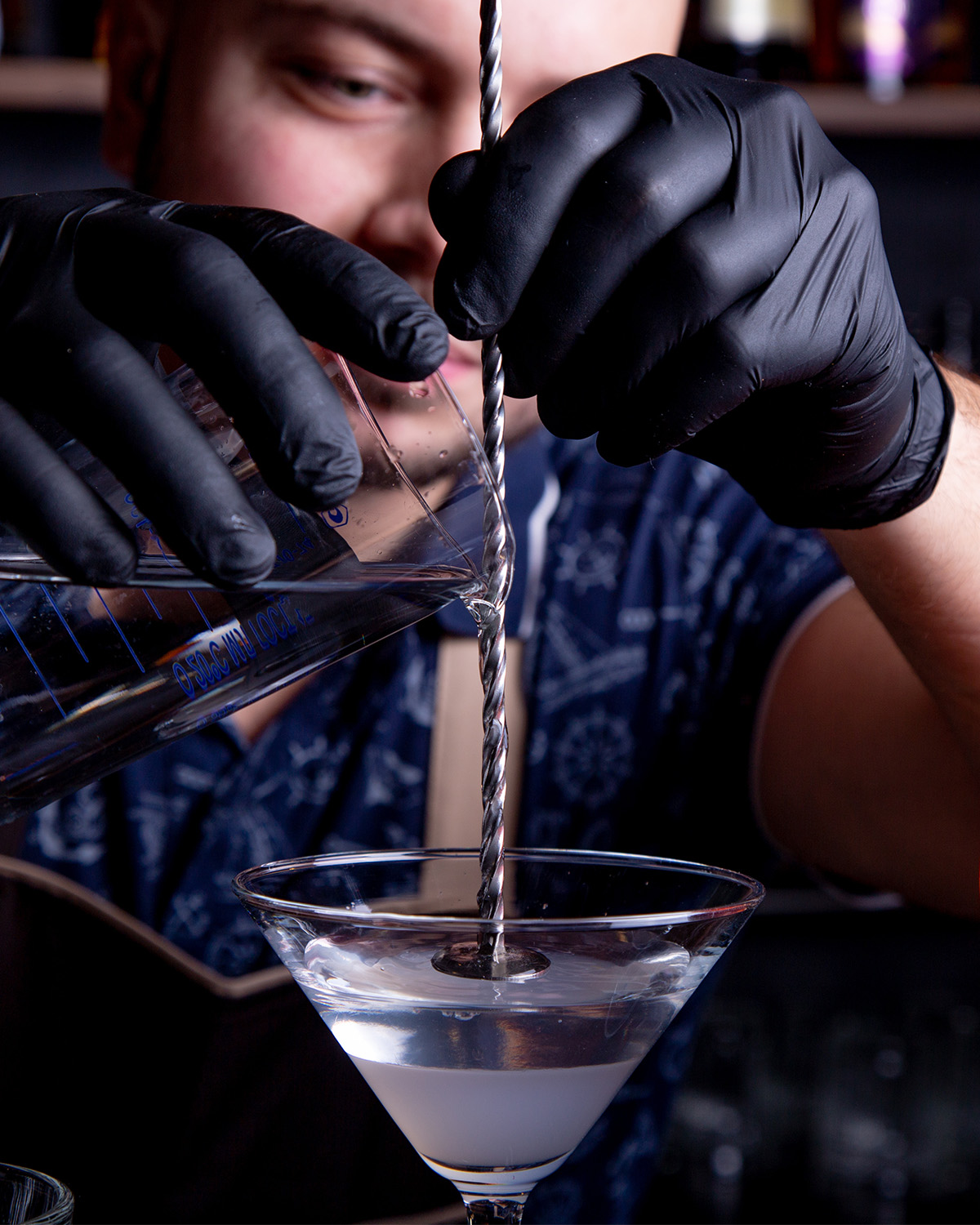
The Martini Renaissance​

On the opposite end of the spectrum, martinis are having a revival. After years of espresso martinis dominating menus, bartenders are pushing boundaries: onion soup martinis, filet mignon martinis, za’atar martinis, and more. High-end restaurants are even offering martini programs where guests can choose their spirit base, garnishes, and ratios. It’s proof that classic formats can be endlessly reimagined when R&D leans into experimentation and cultural remixing.

Global and Cultural Inspirations

What once felt niche or regional is now moving confidently into the mainstream, with consumers eager to explore new taste profiles that carry both novelty and authenticity.

Asian Inspirations

Ube may have opened the door, but Asian ingredients like pandan, miso, black sesame, and yuzu are now being embraced across categories:

These examples show how Asian inspirations are being adapted into bakery, beverages, and frozen desserts, proving their staying power as everyday flavor staples.

Sweet + Spicy (“Swicy”) Flavor Boom

The marriage of sweet and spicy, now called “swicy”, has moved beyond experimentation to become a true cross-category driver. Pastry chefs are laminating dough with gochujang, chili-lime sweets are gaining popularity, and restaurants are serving bold creations like jalapeño chocolate cake. At the mass-market level, Chipotle’s Hot Honey Chicken proved that swicy can scale, setting the stage for further innovation. Other flavor explorations, from tajin and guajillo to pimento cheese twists, show just how versatile the trend can be.

Tea-Inspired Innovations

Tea profiles are also becoming a creative playground for R&D. Earl Grey, hibiscus, and rose are migrating from traditional beverages into unexpected categories like bakery and confectionery. In New York, Radio Bakery is offering Earl Grey croissants, Librae has developed an Earl Grey olive oil cookie, and Hani’s is drawing attention with a hibiscus rose morning bun.

How Itaberco Innovates with R&D

At Itaberco, research and development is about more than chasing the next big flavor. We balance innovation with consistency and give customers the flexibility they need to succeed.

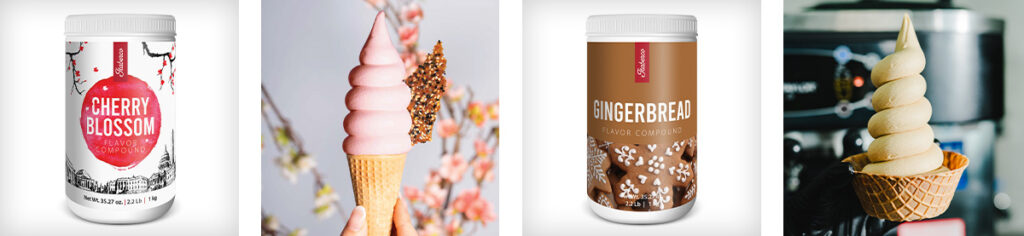
Seasonality plays a role, with flavor compounds like cherry blossom in spring or gingerbread in fall cycling in and out to keep flavors timely and relevant. New ideas typically begin with trend spotting or customer demand, then move through supplier screening, R&D testing, management review, and company-wide evaluation before release.

Itaberco also balances limited-time offers (LTOs) that drive excitement with long-term flavors that provide stability for customers. And because flexibility is central to our philosophy, the team adapts flavor compounds or develops new ones to meet specific customer requests.

Strategic Flavor Innovation for What Comes Next

From cozy classics to daring mashups, today’s flavors show that innovation is everywhere, but impact requires intention.

For brands, the challenge isn’t simply identifying what’s next: it’s knowing which ideas to invest in, how to scale them, and when to evolve them. That’s where Itaberco’s R&D process provides value: combining trend awareness with rigorous testing, cross-category adaptability, and customer collaboration to transform emerging flavors into compounds that deliver both creativity and consistency.

As food trends continue to accelerate, Itaberco will remain a partner in helping brands translate today’s trending food ideas into lasting, scalable flavor solutions.

Let Itaberco help you harness today’s trends and design the flavors that will define tomorrow. Contact us to get started!

Bringing Your Ideas to
Life with Custom
Development

Ideas to life icon

Our dedicated Research & Development team of expert food scientists works alongside you to craft products that meet your exact specifications. Combining technical expertise with creativity, we develop solutions that reflect your brand’s identity, ensuring the highest standards of quality, consistency, and innovation. Whether you're looking for a liquid or dry product for dessert or beverage applications, we can customize flavors, syrups, sauces, jams, beverage mixes, frozen dessert bases, pastry mixes, and more—designed to perform perfectly in your application.

Flexible Packaging Options & Minimum Order Quantities (MOQs)

MOQ

We believe custom solutions should be both accessible and efficient. That’s why we offer some of the lowest MOQs in the dessert and beverage industry—making it easier for you to bring your vision to life without unnecessary hurdles. But we know success isn’t just about the product itself; the right packaging is just as important. That’s why we provide a range of flexible packaging options designed to fit your unique operational needs, ensuring both convenience and quality at every step.

Categories
Blog Posts Industry Insights

How to Scale Small-Batch Magic Without Losing the Art

How to Scale Small-Batch Magic Without Losing the Art

Scaling Without Selling Out: Keeping the Soul in Every Batch

For many, growth feels like a choice between increasing scale or your integrity. On one side, you’re thrilled to meet rising demand. On the other, you’re terrified of losing what made your product special in the first place. The aroma, the texture, the color, the story—these aren’t just details; they’re your brand’s DNA. At Itaberco, we believe you don’t have to compromise. You can scale up—and still keep your dessert’s unique spark. This blog is part roadmap, part mindset shift. Whether you’re expanding from your first kitchen to co-manufacturing or just trying to meet holiday demand, here’s how to grow smart—preserving flavor, texture, and identity every step of the way.
collage-of-dessert-and-pastries

1. Start with Your North Star: The Flavor Promise

Before you scale it, define it.

Every great product starts with a feeling. A flavor. A moment. But unless you know exactly what makes it yours, you can’t protect it as you grow.

Is it the tang of a small-batch citrus reduction? The creaminess from a slow-cooked custard base? The visual vibrancy of real fruit purée?

Document your flavor DNA. Lock down a gold standard sample—a reference point that travels with you through every phase of scale.

Customer Quote: “Our biggest mistake early on was not recording why the product worked. We just knew it tasted great—until we couldn’t replicate it.”

2. Know the Enemies of Scale

Every artisan hits a point where their process breaks—here’s how to spot your breaking point before it happens. Growth introduces new variables. And when your product is built on precision, small changes can have big consequences:
  • Texture shifts: Mousses may lose aeration. Sauces may separate.
  • Flavor balance changes: Over-extraction in large infusions or underwhelming spice notes in diluted batches.
  • Cook times & cooling curves: A few extra minutes or degrees can change the final product.
  • Ingredient sourcing issues: Local ingredients may have seasonal limits or regional inconsistencies.
Vedika, R&D Scientist at Itaberco: “A solid understanding of flavor and texture science at the bench stage enables smoother, more controlled scale-ups – reducing variability and formulation drift.”

3. Partner Early with the Right People

“Scaling well is a team sport.” Scaling isn’t just a recipe problem. It’s a systems problem. That’s why the right partner matters—one who understands both the creative and technical challenges of production. At Itaberco, our process begins with your customer experience. We reverse-engineer the feeling you want to preserve and build the system to deliver that consistently at scale.

4. Design with Scale in Mind (But Don’t Compromise)

Make room for efficiency without erasing your edge. Designing for scale doesn’t mean standardizing everything. It means protecting the parts that matter.
  • Choose shelf-stable flavor compounds that retain richness without requiring refrigeration or reconstitution.
  • Standardize steps that don’t impact quality—and protect the ones that do (e.g., hand garnishing, slow infusions).
  • Understand the shelf life and storage requirements of your product at a commercial level.
Itaberco’s artisan-crafted, all-in-one flavor compounds are created with scale in mind—blending convenience with culinary depth.

5. Flavor Integrity = Brand Integrity

If it doesn’t taste like yours, it’s not yours. Never let efficiency chip away at your brand identity. That’s why sensory testing matters—even if your “panel” is just you and your sous chef.
  • Run side-by-side taste panels at every phase of your scale-up.
  • Train yourself (and your team) to spot subtle changes.
  • Resist the urge to take orders you can’t fulfill with consistency.

6. Celebrate Your Evolution

Customers care about scale when it affects the story—so keep telling it. Growth doesn’t have to mean detachment. Done well, it’s just a bigger version of your origin story.
  • Still using Madagascar vanilla? Say so—proudly.
  • Did you double your kitchen size but still use the same copper pot? Post a side-by-side photo.
  • Keep your voice, your values, your visual identity—even as your product reaches more people
Customer Insight: “We didn’t hide our growth. We brought our customers along with us. They loved it—it made them feel part of the journey.”

Growth Without Losing Your Magic

Scaling is not a betrayal of your craft—not if you do it with intention. With the right partners, the right process, and the right priorities, you can go from hand-crafted to high-volume without selling out.

At Itaberco, we help brands scale without compromise—preserving the soul of your product in every batch.

Let’s grow—and keep the magic intact.
Explore Our Flavor Solutions →

Categories
Blog Posts Industry Insights

Born in the USA

Born in the USA

Soft Serve - Born in the USA

Soft serve is a symbol of summer, nostalgia, and pure American joy. Swirled into cones and memories across fairgrounds and boardwalks everywhere, it holds a special place in our hearts and history. It’s a dessert that’s distinctly American in spirit and origin—just like the Fourth of July!

As we celebrate Independence Day, we reflect not only on freedom but also on the creativity and grit that have shaped our country’s greatest stories. America was built by dreamers and doers: people who dared to take a good idea and build something lasting. That spirit lives on in countless American-made stories, including ours. 

Itaberco was founded on old-world craftsmanship and found its heartbeat in the U.S., where the vision of bringing European flavor artistry to American kitchens came to life.

So grab a cone, cue the Springsteen, and settle in as we explore the frosty origins of soft serve and the flavorful path that brought Itaberco from Northern Italy to the heart of American manufacturing.

The Origins of Soft Serve

Soft serve is a dessert that was shaped by a mix of experimentation and a touch of luck.

The most famous origin story begins in 1934 with Tom Carvel, who was selling ice cream from a truck in Hartsdale, New York. When his truck suffered a flat tire over Memorial Day weekend, Carvel was forced to sell his melting product from a parking lot. Customers loved the texture of the semi-melted ice cream and Carvel recognized an opportunity. Two years later, he patented a low-temperature ice cream machine and opened the first Carvel shop, helping to usher in a whole new category of frozen dessert.

Not long after, in 1938, Dairy Queen co-founder J.F. McCullough and his son Alex began testing their own “softer” version of ice cream in Kankakee, Illinois. Their first trial run was a massive hit with over 1,600 servings sold in two hours. They opened the first Dairy Queen store in 1940, spreading soft serve across small-town America with lightning speed.

Although Carvel and Dairy Queen had slightly different approaches, both helped make soft serve a national phenomenon. It wasn’t just about the ice cream—it was about accessibility, consistency, and fun. With lower butterfat content and a higher air volume (known as overrun), soft serve had a lighter texture and was easier to serve quickly, making it perfect for fast-growing drive-ins and roadside stands during the boom years of mid-century Americana.

Itaberco’s Journey from Northern Italy to Baltimore

Itaberco’s roots trace back to Northern Italy, where Armenian founder Boris was first introduced to the craft of gelato and sorbetto. With a deep respect for true artisan craftmanship, Boris carried his expertise to the U.S. with a dream: bring European-quality ingredients to the American foodservice market.


Why Itaberco Chose the U.S.

By the early 2000s, the Ghazarian family Itaberco shifted from producing and importing from Europe to full U.S. production to better serve the growing North American market.

In 2010, Itaberco officially opened its first production facility in Baltimore, Maryland, starting with a humble five-gallon kettle and a small, passionate team. What began as a small-batch operation evolved into a full-scale, American-made manufacturing enterprise without ever compromising its commitment to quality or creativity.

That evolution mirrors so much of what defines American entrepreneurship. And Itaberco’s team felt those values most during the COVID-19 pandemic. While the foodservice world was upended, Itaberco doubled down to support staff, stay local, and keep operations moving. For Company President Berj, being an American manufacturer wasn’t just strategic, it was personal. It meant agility, accountability, and a deeper connection to the community Itaberco serves.

For CEO Berj, being an American manufacturer wasn’t just strategic, it was personal. It meant agility, accountability, and a deeper connection to the community Itaberco serves.

One example? The Cherry Blossom flavor compound, developed specifically for the D.C. festival season. Thanks to domestic production, Itaberco could launch, test, and scale it quickly—something that wouldn’t have been possible if they were still importing from overseas.

Serving the American Palate

Today’s American palate is as diverse and dynamic as the country itself, and Itaberco designs with that in mind. The team expertly balances classic Americana flavors like carrot cake, key lime pie, and birthday cake, with globally inspired favorites like ube, yuzu, sakura, and chai. 

Ask Itaberco President Berj his go-to dessert, and he doesn’t hesitate:

“Soft serve is very much an American creation. It’s my favorite frozen dessert and in my opinion, is very underrated. I’m also a huge fan of American desserts like carrot cake, and I believe our team did a phenomenal job with our carrot cake flavor compound. If I had to pick one go-to dessert, it would be our soft serve mix with our carrot cake flavor compound.” 

Itaberco’s work extends beyond flavor into function as well. In a high-pressure kitchen environment, innovation means making gourmet quality achievable for any team member, plus the ability to replicate it at scale. Itaberco’s frozen dessert premixes are designed for speed, consistency, and excellence. We use familiar measurements like cups, ounces, and gallons instead of grams and liters. That means chefs can follow recipes more intuitively, often adding ingredients like milk by the gallon without needing conversions or guesswork.

Why U.S. Manufacturing Matters More Than Ever

In addition to manufacturing in the U.S. providing more speed and flexibility, it also ensures Itaberco’s adherence to the country’s highest food safety and regulatory standards. From industry-leading kosher certification to using natural colorings in light of new ingredient bans, Itaberco is built to meet American expectations from the inside out.

The U.S. market also opens up unique industry opportunities. For example, many of Itaberco’s flavor compounds are TTB-certified, making them eligible for use in the booming American craft brewing industry, where creativity knows no bounds.

Whether it’s helping a pastry chef simplify service, a brewery craft the next seasonal release, or a restaurant launch a limited-time dessert, Itaberco’s ability to manufacture domestically offers trust, agility, and long-term value.

At a time when global supply chains remain unpredictable, American manufacturing is practical as much as it is patriotic. And for Itaberco, it’s a point of pride.

Being an American manufacturer is one of the main reasons why I’m motivated to continue doing what we’re doing. I am very proud that regardless of politics of whatever’s going on. It doesn’t change how I feel, especially as a first generation American Armenian.” 

– Berj Ghazarian, President, Itaberco 

From One American Original to Another

Soft serve may have started as a happy accident, but it quickly became a symbol of American creativity—simple, joyful, and made to share. Itaberco, too, embodies that same spirit: blending old-world craftsmanship with bold, forward-thinking innovation, all proudly made in the USA.

Celebrate this Fourth of July with a dessert that’s as American as fireworks and front porches. We’ll help you delight your customers with a soft serve menu that will keep them coming back for more!


Want to connect today? Fill out the form below and we will be in touch about your soft serve needs! 

Categories
Blog Posts Industry Insights

Sweet Memories: How Chefs Are Reviving Nostalgic Desserts for a New Generation

Sweet Memories: How Chefs Are Reviving Nostalgic Desserts for a New Generation

What Makes a Dessert ‘Nostalgic’?

In a fast-paced world, people are finding comfort in the familiar—especially in desserts that feel like home. From cinnamon sugar to layered icebox cakes, nostalgic sweets do more than satisfy a craving—they stir memories, evoke emotion, and connect us to traditions.

These timeless treats aren’t defined by a single recipe but by the stories behind them—grandma’s donuts, family flan, or the jiggly joy of a gelatin mold. For today’s chefs and artisans, the challenge is blending that emotional power with modern creativity to keep the magic of memory alive in every bite.

Regional and Cultural Influences on Dessert Nostalgia

Nostalgia extends past personal into regional and cultural roots as well. In many families, parents and grandparents pass down flavors from their own childhoods, creating a kind of culinary inheritance. For some, it’s the layered elegance of an English trifle at Sunday supper; for others, it’s the warm crunch of syrup-soaked baklava shared during holidays. A kid in the Midwest might cherish dirt pudding topped with gummy worms, while someone in New Orleans recalls the scent of king cake wafting through Mardi Gras mornings. Access also plays a role. While the internet may expose us to global treats, not every ingredient is available at the local grocery store. What becomes nostalgic is often shaped by what’s readily accessible. It’s why family tradition desserts often reflect the pantry staples and seasonal ingredients of a specific place and time.

Rather than a melting pot, America might better be described as a charcuterie board—distinct pieces, coexisting on the same plate, each with its own flavor and story. Our nostalgic desserts reflect this diversity, creating a patchwork of sweets tied to identity, memory, and place.

The Power of Presentation

Memory is just as much sensory as it is taste. The look of a dessert, its texture, even how it’s served can trigger deep emotional responses. The crisp edges of a cookie, the soft wobble of a custard, the sound of a spoon cracking into a sugar shell…These details matter since they help bring the memory to life.

But, this emotional connection can be a double-edged sword. Nostalgia is unpredictable. One diner’s comforting cinnamon roll might be another’s aversion, tied to a bad childhood memory. For dessert and pastry artisans, the challenge is balancing flavor with feeling – to honor tradition while being mindful of the emotional risks.

Modern Twists on Traditional Favorites

While classic desserts provide a comforting foundation, today’s chefs aren’t content to simply recreate the past, they’re reimagining it. By applying refined techniques, sophisticated plating, and inventive flavor pairings, they’re breathing new life into familiar favorites and transforming comfort desserts into culinary experiences. A simple scoop cake might be deconstructed into elegant layers with precision piping and textural contrast. A nostalgic pudding could be infused with unexpected flavors like chai, miso, or brown butter, adding depth without overshadowing the original memory. Even plating plays a role. What once came in a casserole dish may now arrive artfully layered in a coupe glass or styled on a sleek ceramic plate. This creative reinvention walks a fine line between accessibility and artistry. Go too far, and the emotional core of the dessert is lost. Stay too close to tradition, and the dish might feel dated. The most successful chefs find a balance between the familiarity of nostalgic flavors while offering a fresh perspective. Itaberco’s range of clean-label flavor compounds, toppings, and sauces lets chefs infuse classic recipes with modern elements.

Takeaways for Today’s Pastry Chefs and Dessert Artisans

Reviving nostalgic desserts is about crafting emotional experiences. For today’s pastry and dessert artisans, that means stepping outside personal preferences and tapping into the memories that matter most to their customers.

Know Your Audience

Nostalgia isn’t universal. What evokes a warm memory for one guest might be unfamiliar to another. Chefs must consider the cultural, generational, and regional backgrounds of their clientele. A childhood treat in the Midwest might differ entirely from a coastal favorite or an international classic. Creating meaningful comfort desserts starts with understanding who you’re serving.

Balance the Familiar with the New

Innovation doesn’t mean forgetting the past. In fact, the best reinterpretations are grounded in it. Elevating a family tradition dessert with a modern twist, whether through technique, presentation, or flavor pairing, offers diners both comfort and curiosity. It’s that thoughtful balance that turns a dessert into an experience worth remembering.

Watch our tutorial on making an American Nostalgic Favorite: Caramel Macchiato Banana Pudding

Nostalgia Is a Timeless Ingredient

Nostalgia has a way of anchoring us and reminding us of where we come from, who we love, and the simple joys that shaped us. That’s why nostalgic desserts continue to hold a special place on menus and in memories. They’re more than recipes; they’re reflections of childhood moments, cultural roots, and family traditions passed down through generations.

At Itaberco, we believe nostalgia will always have a seat at the table. Whether you’re recreating a beloved comfort dessert or giving it a fresh new twist, we’re here to help you bring those memories to life with high-quality ingredients and expert guidance.

Revisit your favorite childhood treat or reinvent it with a modern flair. Let Itaberco be your partner in crafting desserts that honor the past while delighting today’s palate.

Let's Build a Menu That Speaks to Your Guests:

Custom support, real strategy, and the trends you need—just a few clicks away.
Categories
Blog Posts Industry Insights

Understanding Natural and Artificial Flavors in Foods & Beverages

Understanding Natural and Artificial Flavors in Food & Beverage

Flavor is at the heart of every unforgettable dessert and beverage. From the rich, creamy notes of a vanilla custard to the bright, zesty burst of a citrus tart, the flavors we experience shape our perceptions of quality and craftsmanship. But have you ever paused to wonder what exactly gives your favorite foods and beverages their distinct taste? More importantly, does it matter whether those flavors are natural or artificial?

Today’s consumers and culinary professionals alike are becoming more curious about the origins of the ingredients they use. Questions around natural flavors versus artificial flavors are increasingly common, especially as clean-label products and transparency in food sourcing become industry standards. While both types of flavorings serve a role in dessert making, understanding the difference can empower you to make informed decisions that align with your culinary goals and values.

What Are Natural Flavors and Artificial Flavors?

It’s important to note that both natural and artificial flavors often share similar, if not identical, chemical structures. The difference lies not in how they behave or taste, but in how they are sourced. Whether a flavor molecule is extracted from a vanilla bean or synthesized in a lab, the molecular structure can be exactly the same. 

Natural Flavors: Derived from Nature

Natural flavors are extracted from real, natural sources such as plants, animals, fruits, vegetables, herbs, and spices. These flavors are developed through physical processes like distillation, fermentation, or extraction using solvents, but the base ingredients must be of natural origin. For example, a lemon natural flavor may come directly from lemon peel oils or juice concentrates, often combined with other natural substances to round out the profile. Even more complex flavors like vanilla or almond are rooted in natural components, giving them a depth and authenticity that aligns with clean-label preferences. Natural flavors typically have a shorter shelf life than their artificial counterparts and may require refrigeration to preserve their quality. However, Itaberco’s expertly formulated flavor compounds remain shelf-stable for up to two years after opening, no refrigeration required.

Artificial Flavors: Crafted in the Lab

In contrast, artificial flavors are created synthetically, using chemical compounds that are often identical or nearly identical to those found in nature. These compounds are not derived from natural sources but are instead engineered in laboratories, typically from petroleum-based materials or other non-natural origins.

Artificial dessert flavors are common in mass-produced products where consistency, cost-efficiency, and longer shelf life are prioritized. While they mimic natural flavors, their source makes them distinct from their naturally-derived counterparts.


Decoding Flavor Labels: The Nuances of Natural and Artificial

The term “flavor” on an ingredient label may seem simple, but it covers a range of classifications that reveal how a product is made. The “Natural” or organic labeling plays a significant role in marketing consumables. Products that rely on synthetic flavoring must disclose this to consumers.

1. Natural Flavor

This designation refers to flavor components entirely derived from natural sources such as fruits, vegetables, herbs, spices, or animal products. For example, if a product lists “Natural Lemon Flavor,” it means the flavor compounds come directly from lemons. On an ingredient list, it may appear simply as “Natural Flavor.”


2. WONF (With Other Natural Flavors)

WONF stands for “With Other Natural Flavors,” and it indicates that the primary flavor comes from the named source, but is blended with other natural ingredients to achieve a fuller, more complex taste. For instance, “Strawberry Flavor WONF” may include natural strawberry compounds along with natural flavors from apple or beet to round out the strawberry profile. WONF flavors are still labeled as natural flavors on ingredient decks.

3. Natural Type Flavor

This category refers to flavors that are naturally derived, but not from the named source. For example, a “Natural Strawberry Type Flavor” may taste like strawberry, but none of the flavor compounds come from actual strawberries. They could be derived from other natural substances that mimic the taste of strawberries. Despite the absence of the actual source fruit, these are still listed as natural flavors on packaging.

4. N&A (Natural & Artificial) Flavor

N&A flavors combine both natural and artificial flavors to achieve a desired taste profile. This allows for cost savings or enhanced stability while still incorporating some natural elements. In ingredient lists, these flavors must be clearly labeled as containing both natural and artificial flavors, which is particularly relevant in artificially flavored products aimed at cutting costs in processed foods.

Why Itaberco Prioritizes Natural Flavors

At Itaberco, our products are crafted using natural flavors, reflecting our dedication to delivering authentic, high-quality dessert solutions. 

Our flavor philosophy centers on quality, consistency, and a strong commitment to clean-label ingredients. This dedication is best illustrated by our work to perfect natural versions of complex flavors, like the challenge of developing a Fior di Panna (a traditional Italian-inspired flavor of sweet cream) from natural sources. It took months of collaboration and tasting to develop this unique profile, but the result was a naturally-derived flavor that met our quality standards—an example of how we continually strive to uphold the integrity of our products through natural means. We apply this same philosophy to color as well, consistently choosing natural color options vs. artificial to maintain the integrity and transparency our customers expect

Common Misconceptions About Artificial and Natural Flavors

When it comes to flavoring, several misconceptions can cloud the conversation. One common belief is that artificial flavors are inherently “bad,” but in reality, they are often chemically identical to their natural counterparts—the key difference lies in their synthetic origin. Similarly, many assume that natural flavors are always healthier, yet both natural and artificial flavors can include additives or carriers that aren’t immediately apparent.

Taste perception also plays a role in these misunderstandings. Highly natural or organic flavors can sometimes have an “earthy” taste, while artificial dessert flavors may come across as overly sweet or synthetic. Understanding these nuances helps clarify that the choice between natural and artificial isn’t always about good versus bad, but about sourcing, application, budget, and the desired sensory experience.

Making the Natural Choice

There’s a place for both natural and artificial ingredients in the broader food landscape. For us, the natural path is the one that most often delivers the experience our customers expect and deserve.

Our passion lies in helping you create desserts and beverages that not only taste extraordinary but feel good to serve. Let’s work together to bring your next idea to life with flavors that stay true to your vision and to nature.

Get Started Today!


Categories
Blog Posts Industry Insights

How to Make Organic Soft Serve

How to Make Organic Soft Serve: A Comprehensive Guide

You’ve noticed the growing demand for organic options on menus everywhere. Your customers are increasingly conscious about what goes into their food, and they’re willing to pay a premium for products that align with their values. As you look to innovate and elevate your frozen dessert offerings, organic soft serve presents an exciting opportunity to stand out in the market.

But what does “organic” really mean when it comes to soft serve? Is it worth the investment? And how can you navigate the complexities of organic certification without compromising on flavor or texture?

This guide will walk you through everything you need to know about creating exceptional organic soft serve that satisfies both regulatory requirements and customer expectations.

What Does "Organic" Mean? Understanding Organic Certification

Unlike many food-related terms that have become marketing buzzwords, “organic” has a strict legal definition established by the United States Department of Agriculture (USDA). The USDA’s National Organic Program (NOP) sets clear standards for what qualifies as organic, and it’s actually illegal to market products as organic if they don’t meet these requirements.

The USDA organic certification falls into three distinct categories:

1. 100% Organic 100% organic designation means exactly what it says—every single component in your menu item must be certified organic. No exceptions. This is the highest level of organic certification and allows you to display the USDA organic logo prominently.
2. Organic (95% or more) This category requires that at least 95% of your ingredients (by weight) are certified organic. The remaining 5% must still comply with the USDA’s approved ingredients list. Importantly, water and salt are excluded from this calculation—they cannot count toward your organic percentage. This level also permits use of the USDA organic logo.
3. Made with Organic Ingredients (75% or more) This designation applies when at least 75% of your ingredients are organic, but you fall short of the 95% threshold. While you can state that your product is “made with organic ingredients,” you cannot display the official USDA organic logo at this level.

Why Organic Certification Matters

In the food service industry, particularly in restaurants, there’s unfortunately a significant amount of misrepresentation when it comes to organic claims. Many menus and even restaurant names include “organic” without actually meeting the USDA standards. An industry expert explains:

“Stabilizers are typically hydrocolloids or starches used to bind water and improve the viscosity of your unfrozen fluid mix and help with ice crystal formation. You want the smallest ice crystals possible while you’re freezing soft serve or when storing frozen desserts” 

For businesses truly committed to organic offerings, proper certification creates consumer trust and sets you apart from establishments making unsubstantiated claims. It demonstrates your dedication to quality and transparency—values that increasingly influence purchasing decisions.

How to Make Organic Soft Serve

Creating organic soft serve isn’t fundamentally different from making conventional soft serve in terms of process. The key distinction lies in your ingredient selection and adherence to organic standards throughout production. 

1. Choose Organic-Compliant Ingredients
The foundation of organic soft serve is replacing conventional ingredients with certified organic alternatives:

  • Base Mix: Start with a USDA-certified organic soft serve mix or sorbet base
  • Dairy: If adding milk, ensure it’s USDA-certified organic milk or cream
  • Sweeteners: Use organic cane sugar, organic agave, or other certified organic sweeteners
  • Stabilizers: Select organic versions of guar gum and other stabilizers
  • Flavorings: Source organic flavor compounds and extracts
  • Mix-ins: Any fruit purées, chocolate chips, cookie pieces, etc. must also be organic-certified<

Remember that the milk component represents a significant percentage of your final product. Even if you’re using a certified organic mix as your base, adding conventional milk would compromise your ability to claim your soft serve is organic.

2. Use Organic-Approved Additives
Certain additives commonly used in conventional soft serve must have organic alternatives. This includes:

  • Stabilizers and Emulsifiers: Must be on the USDA’s approved list or be organic themselves
  • Colors: Natural, organic colorants only
  • Flavors: Organic flavor compounds that meet USDA standards
It’s worth noting that sourcing organic flavors can present unique challenges, as industry experts point out:

“The sourcing of the flavors becomes a bit challenging. There aren’t as many organic flavors, and they tend not to be as good as the natural flavors, oddly enough.” – Jamie French – R&D Manager at Itaberco

This consideration may influence your flavor selection when developing an organic soft serve menu.

3. Source Ingredients Responsibly
Building relationships with certified organic suppliers is essential for creating authentic organic soft serve. Consider:

  • Local Organic Dairies: Partnering with local organic milk producers can create marketing synergies
  • Organic Fruit Suppliers:
    For seasonal organic fruit purées
  • Certified Organic Mix Providers: Companies like Itaberco that offer USDA-certified organic products

Remember that the milk component represents a significant percentage of your final product. Even if you’re using a certified organic mix as your base, adding conventional milk would compromise your ability to claim your soft serve is organic.

4. Follow Organic Processing Standards If you’re producing organic soft serve in a commercial setting, you need to maintain strict standards throughout processing:
  • Prevent Cross-Contamination: Organic ingredients cannot come into contact with non-organic ingredients
  • Use Approved Cleaning Agents: Only certain cleaning and sanitizing materials are permitted for organic processing equipment
  • Maintain Documentation: Keep detailed records of all organic ingredients and processes
For suppliers like Itaberco, this means:

“To have your facility organic certified means and needs to be audited and certified to USDA standards. And there is a lot that goes into that. We have programs to ensure we don’t combine non-organic with organic. We make sure that we’re using cleaning and sanitizing materials on our equipment that are organic certified or allowed for organic products, just to name a few.” 

Challenges of Making Organic Soft Serve

While creating organic soft serve can differentiate your business, it’s important to understand the potential challenges:
1. Limited Flavor Options The organic certification requirement can significantly restrict your flavor possibilities. The more complex you make the ice cream or soft serve, the more you will encounter obstacles in sourcing organic-certified ingredients. Simple flavors like vanilla, chocolate, or fruit-based options are more feasible than complex combinations with multiple mix-ins or ribbons. As one expert explains:

“If I want to make a flavor like Reese’s ice cream and I want to have a caramel sauce, a chocolate ribbon, and then Reese’s pieces in the soft serve, it’s going to be much harder for me to figure out an organic version of that as opposed to someone who just wants to create a strawberry sorbet soft serve.” 

2. Flavor Quality Considerations
Organic flavors may have different taste profiles than their conventional counterparts. There aren’t as many organic flavors, and if the creator is more focused on the ingredients list than the flavor profile, the flavors can have earthy undertones compared to some natural ones.

The solution may require additional testing and refinement to achieve the flavor profile your customers expect.

3. Higher Costs and Limited Availability

The process of becoming organic certified is both time-consuming and expensive for suppliers. For a farm to become organic certified, typically, it’s a three-year process, and it’s expensive.

These costs inevitably get passed on to you as the buyer, making organic soft serve more expensive to produce. 

Additionally, many small farms follow organic practices but cannot afford certification. Despite the fact that their practices align with a fresh product, and they cannot necessarily meet USDA organic standards, they are still great products.

4. The Local vs. Organic DebateInterestingly, consumers often conflate “local” with “organic,” though they’re distinct concepts:

“I do think organic nowadays really goes in line with people’s perception of local. It could be organic and from Mexico, but it’s not at a local shop. People may say it’s not organic to me or fresh to me because it had to sit in a truck. I’m wanting it to be right into my hands from the ground, basically.” 


Industry experts note that consumers today often equate “local” with “organic,” despite the fact that they are distinct concepts. One expert shared that imported produce, even from a local shop, is not perceived as organic or fresh. The desire is for products to go “right into [the consumer’s] hands from the ground.”

Some businesses find greater marketing success by emphasizing local sourcing rather than organic certification, particularly when working with small farms that produce exceptional products but lack formal organic certification.

How Itaberco Supports Organic Soft Serve Makers

Itaberco stands out as a partner for businesses looking to create organic soft serve for the following reasons: USDA Organic Certification: Our entire facility is USDA organic certified, and we are undergoing annual audits to maintain this certification. Organic Product Options: We offer an organic sorbet mix that meets the “Organic” (95%+) certification level, which can be used to create organic soft serve, ice cream, or sorbet.Flexibility: Our dry mix format allows you to add your own organic dairy or dairy alternatives, creating a fully customizable organic frozen dessert. One of our experts explains:

“If a customer used our organic sorbet mix, they could make soft serve, ice cream, or sorbet. If they use this product and the rest of their ingredients from USDA organic sources, they can make a product and a claim of organic strawberry soft serve, or “organic” whatever the flavor might be; they could label it that way.”


The Organic Reality Check

The organic trend continues to grow. Currently, many consumers prioritize organic products like fresh produce but place less emphasis on items in the dessert category.

Our industry expert says:

 “I think organic means a lot when you’re talking about your fruits and vegetables, and everyday, center of the plate type foods. With desserts, people know that this isn’t the fruit and vegetable I’m eating everyday. This is the dessert I’m eating once or twice a week. For desserts, consumers are prioritizing quality, texture and taste over claims surrounding organic practices.”

This doesn’t mean organic soft serve isn’t valuable—it simply suggests that you should evaluate whether your specific customer base will appreciate this distinction.

Final Thoughts

Creating organic soft serve requires a commitment to sourcing and adherence to USDA standards, but it can be a powerful differentiator for businesses targeting health-conscious consumers.

For many establishments, the most practical approach is to use a certified organic base mix and combine it with certified organic dairy or dairy alternatives. This provides the flexibility to create custom organic soft serve while complying with USDA requirements. For example, Itaberco’s organic sorbet mix can be combined with organic fruit puree and and water to make an organic soft serve sorbet.

Remember that “local” and “farm-fresh” can sometimes be more powerful marketing terms than “organic,” particularly when working with high-quality local dairies that may not have formal certification but produce exceptional products.

Whether you choose to go fully organic or simply incorporate organic ingredients into your soft serve program, the most important factors remain quality, taste, and texture. After all, even the most impeccably certified organic soft serve won’t succeed if it doesn’t deliver an exceptional eating experience.

Ready to explore creating organic soft serve for your business? Contact Itaberco today to learn more about our USDA-certified organic products and how we can support your organic frozen dessert program.

Looking to elevate your dessert menu with premium organic options? Discover Itaberco’s organic sorbet mix and learn how it can transform your soft serve offerings.

Categories
Blog Posts Industry Insights

Does My Soft Serve Need a Stabilizer? The Science Behind Perfect Texture

Does My Soft Serve Need a Stabilizer? The Science Behind Perfect Texture

You’ve tasted your soft serve and know something’s not quite right. It’s good—but not great. Your customers enjoy it, but they’re not raving about it on social media or bringing friends back specifically for your frozen treats. You’ve tried adjusting temperatures, experimenting with flavors, and even sourcing premium ingredients, but that elusive silky-smooth texture seems just out of reach. The question keeps nagging: “Is it because I’m not using stabilizers?”

You’ve heard mixed opinions. Some insist on “all-natural” with no additives, while others swear by the science of stabilization. As someone committed to excellence in your craft, you deserve a straightforward answer about whether stabilizers are the missing element that could transform your good soft serve into an unforgettable experience.

Let’s dive into the science, benefits, and misconceptions about stabilizers in soft serve to help you make the decision that could elevate your menu from satisfactory to exceptional.

What Exactly Is a Stabilizer?

Stabilizers are naturally derived ingredients crucial in creating the smooth, creamy texture that defines quality soft serve. As our food scientist explains:

“Stabilizers are typically hydrocolloids or starches and they’re really just going to bind water and improve your viscosity of your fluid mix that’s unfrozen and help with ice crystal formation. You want the smallest ice crystals as possible while you’re freezing it and while it’s in storage.” – Berj Ghazarian – President at Itaberco

These plant-based ingredients typically make up just a tiny fraction of your recipe—usually no more than 0.4% of the total mix. Despite their small quantity, stabilizers make a significant difference in the final product’s texture, mouthfeel, and shelf life.

Common Types of Stabilizers in Soft Serve

Stabilizers come from a variety of natural sources, each with unique properties:
  • Guar Gum: Derived from the guar bean plant
  • Locust Bean Gum: Harvested from the carob tree
  • Cellulose Gum: Plant-based fiber
  • Carrageenan: Extracted from seaweed
  • Egg Yolks: A traditional stabilizer used in French custard-based ice creams

Can I Make Soft Serve Without Stabilizers?

The short answer? Yes, you can—but the results might not meet your quality standards.

To understand why, let’s consider what happens when you freeze ingredients without stabilizers:

1. Pure Water:

If you put water into an ice cream machine, it quickly freezes into a solid block—not ideal for soft serve!

2. Water + Sweetener:

Adding sugar or natural sweeteners (honey, agave, etc.) lowers the freezing point, creating smaller ice crystals and a slush-like consistency.

3. Water + Sweetener + Fruit:

Fresh fruit adds flavor, color, and some natural stabilization, but the texture will still be icy and inconsistent, more like a homemade sorbet than a premium soft serve.

The missing element?

Stabilizers, which bind water molecules to sugar, fat, and other ingredients, creating a cohesive “serum” that prevents large ice crystals from forming. This is what gives soft serve that signature smooth, creamy texture that melts evenly on the palate.

The Real Reasons Behind Stabilizer Hesitation

Many dessert professionals who question using stabilizers do so because of misconceptions:

Misconception #1: Stabilizers are artificial or unhealthy.

Reality: Most stabilizers are plant-based ingredients that have been used safely for decades. There’s no significant evidence that stabilizers in proper amounts are harmful.

Misconception #2: "Natural" means better quality.

Reality: Even traditional, “natural” ice cream recipes use stabilizers—egg yolks being the classic example in French custard bases.

Misconception #3: The name sounds chemical or artificial.

Reality: The term “stabilizer” might sound technical, but these ingredients come from natural sources like beans, trees, and seaweed.

The Benefits of Using Stabilizers in Your Soft Serve

1. Superior Texture

Stabilizers create that smooth, velvety mouthfeel that defines premium soft serve. Without them, you’ll likely end up with an icy product that melts inconsistently and feels grainy on the palate.

2. Better Shelf Life

A properly stabilized soft serve maintains its texture and quality longer, reducing waste and improving consistency throughout service.

3. Customer Satisfaction

The difference between icy, crystallized soft serve and perfectly smooth, creamy soft serve is immediately noticeable to customers. Quality matters!

4. Creative Freedom

With a well-stabilized base, you have a better canvas for showcasing unique flavors and mix-ins without worrying about texture issues.

The Itaberco Approach to Stabilizers

At Itaberco, we believe in transparency and education. Our soft serve mixes contain carefully balanced stabilizers in minimal amounts (typically around 0.4%) to ensure optimal texture while maintaining clean label standards.

We source our stabilizers from reputable, sustainable sources and include them in our premixed products to take the guesswork out of the process. This means you don’t need specialized weighing equipment or technical knowledge to achieve professional results.

Finding Balance: When Might You Skip Stabilizers?

There are specific scenarios where a stabilizer-free approach might work:

– If you’re running a health-focused concept where the absence of any additives is central to your brand promise

– If you’re making fresh-to-order frozen desserts that will be consumed immediately

– If you’re specifically aiming for a more rustic, homemade texture

Even in these cases, you’ll want to consider using natural thickening agents like bananas, dates, or purées with high pectin content to provide some structure to your frozen dessert.

The Verdict: Are Stabilizers Necessary?

While technically not “necessary,” stabilizers are highly recommended for creating premium soft serve that meets customer expectations.

The tiny amount used (less than half a percent of your recipe) contributes significantly to quality, consistency, and customer satisfaction—making stabilizers one of the most important elements in creating a memorable soft serve experience.

If you’re aiming to elevate your soft serve offerings and create a product that stands out in the market, embracing the science behind stabilizers is a smart step forward.

StabilizerSourceCommon Uses
Xanthan GumFermentation (similar to brewer’s yeast)Plant-based milks, salad dressings, gluten-free baking
Guar GumGuar beanYogurt, sauces, plant-based milks
Locust Bean GumCarob tree seedsCream cheese, yogurt, processed cheese
CarrageenanRed seaweedDairy products, plant-based milks, deli meats
Cellulose Gum (CMC)Natural Polymer Found in Plant Cell WallsBaked goods, ice cream, toothpaste
Stabilizer Xanthan Gum
Source Fermentation (similar to brewer’s yeast)
Common Uses Plant-based milks, salad dressings, gluten-free baking
Stabilizer Guar Gum
Source Guar bean
Common Uses Yogurt, sauces, plant-based milks
Stabilizer Locust Bean Gum
Source Carob tree seeds
Common Uses Cream cheese, yogurt, processed cheese
Stabilizer Carrageenan
Source Red seaweed
Common Uses Dairy products, plant-based milks, deli meats
Stabilizer Cellulose Gum (CMC)
Source Natural Polymer Found in Plant Cell Walls
Common Uses Baked goods, ice cream, toothpaste

Taking Your Soft Serve to the Next Level

Now that you understand the important role stabilizers play in creating exceptional soft serve, you’re better equipped to elevate your menu offerings. The difference between good soft serve and great soft serve often comes down to these small but crucial ingredients.

At Itaberco, we’re passionate about helping dessert professionals achieve consistent, high-quality results without the guesswork. Our carefully formulated soft serve mixes take the complexity out of the process while giving you the freedom to customize flavors and create signature desserts your customers will love.

Whether you’re looking to improve existing offerings or launch a brand-new soft serve program, understanding the science behind stabilizers is your first step toward creating a standout product that keeps customers coming back for more.

Ready to transform your soft serve experience? Contact our team today for personalized recommendations, samples, or expert guidance on incorporating premium soft serve into your menu.

Explore Itaberco’s premium soft serve mixes designed to deliver exceptional texture and flavor consistency every time.

Categories
Blog Posts Dessert Dialogues

Natural vs. Artificial Colors: What It Means for Your Menu

Natural vs. Artificial Colors: What It Means for Your Menu

Color is one of the first things customers notice when they see a dessert or beverage. Color sets expectations, enhances visual appeal, and even influences perceived flavor. From the deep red of a strawberry glaze to the pastel hues of a macaron, color plays a critical role in shaping the dining experience. But behind every vibrant creation is an important decision: should you use natural or artificial colors?

As clean-label and natural ingredient trends continue to grow, many chefs are re-evaluating their use of artificial colors and seeking alternatives that align with evolving market demands. At Itaberco, we believe that quality comes first. That’s why we made the commitment years ago to transition away from artificial dyes in favor of natural color solutions derived from fruits, vegetables, and minerals in our products. While natural colors present unique formulation challenges, our expertly crafted flavor compounds offer an all-in-one solution—delivering the rich color along with authentic taste and reliable performance that dessert and beverage professionals need.

We’ll take a closer look at natural vs. artificial colors, exploring their unique advantages, potential drawbacks, and what they mean for your menu and ingredient choices.

The Key Differences Between Natural and Artificial Colors

While both natural and artificial colors enhance visual appeal, they differ significantly in composition, sourcing, and performance. Choosing the right one depends on operational needs and consumer expectations.

What Are Natural Colors?

Natural colors are derived from fruits, vegetables, and minerals, making them a clean-label choice for food and beverage applications. These colors are exempt from Food & Drug Administration (FDA) certification because they originate from recognizable, naturally occurring sources. Some common examples include:

  • Beet juice: Provides a rich red or pink hue.
  • Carrot extract: Delivers orange to yellow tones.
  • Spirulina: A plant-based source of blue and green shades.
  • Butterfly pea flower: Used for vibrant blues and purples.
  • Lycopene (from tomatoes): Offers a natural red color.

What Are Artificial Colors?​

Artificial colors, also known as FD&C (Food, Drug & Cosmetic) colors, are certified by the FDA and commonly used for their intense, long-lasting hues. Unlike natural colors, these synthetic dyes are often derived from petroleum or coal sources and undergo a rigorous certification process to ensure consistency and safety in food applications. Some widely used artificial colors include:
  • Red 40: A bright, stable red commonly found in candies and beverages.
  • Yellow 5 & 6: Vibrant yellows often used in baked goods and snacks.
  • Blue 1: An electric blue found in frostings, sports drinks, and confections.
  • Green 3: A bright green rarely found in natural alternatives.

The Pros and Cons of Natural vs. Artificial Colors

Natural Colors

Pros of Using Natural Colors
  • Perceived as healthier and cleaner: Consumers are becoming more aware of artificial additives, making natural colors a preferred choice for those seeking cleaner ingredient lists. Natural colors help brands align with the growing demand for transparency and better-for-you products.
  • Derived from real food sources: Unlike synthetic dyes, natural colors come from fruits, vegetables, and minerals, such as beet juice, turmeric, spirulina, and lycopene. This allows brands to emphasize natural ingredients in their products.
  • Accepted in premium and clean-label markets: Many high-end retailers, organic brands, and health-conscious consumers prioritize natural colors. Stores like Whole Foods and other clean-label brands prohibit artificial dyes, making natural color solutions essential for entering premium market segments.
Cons of Using Natural Colors
  • More expensive: Natural colors are typically costlier than artificial dyes due to sourcing, extraction, and stability challenges. Since they come from real food ingredients, production costs are higher, and availability can fluctuate based on harvest conditions.
  • Less stable in certain applications: Natural colors can be pH-sensitive, heat-sensitive, or prone to fading over time, requiring careful formulation to maintain stability and vibrancy. Some colors are difficult to achieve: Blues and greens are particularly challenging to attain naturally. U.S. regulations restrict certain natural green options, and many natural blue sources, like spirulina, have flavor and stability concerns.
  • Some colors can subtly impact flavor: Since natural colors are derived from fruits, vegetables, and botanicals, they can sometimes introduce earthy or bitter notes to the final product, especially in high concentrations.

Artificial Colors

Pros of Using Artificial Colors
  • Lower cost: Artificial colors are significantly cheaper to produce and use compared to natural alternatives. Since they are highly concentrated, only small amounts are needed to achieve bold, consistent hues.
  • Longer shelf life: Artificial colors are chemically stable, giving them a longer shelf life and making them easier to store and transport. Many are available in dry powder form, with some lasting several years without degradation.
  • More vibrant and stable in most applications: Artificial colors can produce intense, electric shades that are difficult to replicate naturally. They are also resistant to pH changes, heat exposure, and oxidation, ensuring consistent color across a wide range of formulations.
  • Does not affect flavor: Artificial colors are flavor-neutral and don’t alter the taste or aroma of the final product. This makes them easier to work with in delicate desserts and beverages where maintaining pure flavor is essential.
Cons of Using Artificial Colors
  • Growing health concerns: Artificial dyes, such as Red 3, Yellow 5, and Blue 1, have been linked to potential health risks and behavioral concerns in some studies. Red 3 was recently banned in certain applications in the U.S., and more regulatory actions could follow.
  • Restricted in clean-label and premium markets: Many retailers, including Whole Foods and other clean-label brands, prohibit artificial colors. This limits opportunities for brands that want to enter premium, organic, or natural food markets.
  • Increasing consumer resistance: With the rise of health-conscious consumers, artificial colors are viewed with increasing skepticism. Many brands have already reformulated to remove synthetic dyes in response to shifting consumer preferences.

How Natural Colors Impact Formulation in Desserts & Beverages

Factors Affecting Performance

Natural colors are inherently more sensitive to environmental factors, which can alter their hue, intensity, and stability. When formulating with natural colors, dessert and beverage professionals must consider:
  • pH Sensitivity: Many natural colors, such as anthocyanins from purple carrots or berries, change color based on the acidity of the product.
  • Temperature Sensitivity: Heat can degrade certain natural pigments, leading to color loss or browning over time.
  • Application Considerations: The fat content, moisture level, and overall composition of a dessert or beverage can affect how a natural color performs.
  • Processing Method: Steps like pasteurization, freezing, or baking can impact the final color outcome.

For example, consider strawberry ice cream. A natural choice for a red hue might be purple carrot extract, but due to its pH sensitivity, it can shift to an undesirable bluish-gray in dairy-based applications. Instead, lycopene provides a consistent pinkish-red hue without the risk of color distortion.

Maintaining stability and vibrancy with natural colors often requires a tailored approach—choosing the right source for the application, adjusting processing conditions, and sometimes blending multiple color sources for optimal results.

How Colors Can Impact Taste

Unlike artificial dyes, which are flavor-neutral, natural colors can subtly influence taste due to their botanical origins. While many natural pigments are virtually undetectable in the final product, some can impart earthy or bitter notes if used at higher concentrations. For example, radish-based reds can carry peppery or bitter undertones, while beet-derived colors may introduce a mild earthy sweetness.

At Itaberco, our R&D team carefully selects and balances natural color sources to ensure they complement flavors rather than interfere with them. Through extensive testing and formulation expertise, we create seamless, all-in-one solutions that maintain the perfect balance of color, taste, and functionality for desserts and beverages.

The Business Case for Using Natural Colors

Beyond formulation considerations, the choice between natural and artificial colors has significant business implications. As consumer demand shifts toward clean-label products, dessert and beverage professionals who adopt natural colors can gain a competitive edge.

Access to Premium Markets

Many high-end retailers and clean-label brands, including Whole Foods, have strict ingredient guidelines that prohibit artificial colors. By using natural colors, businesses can expand their distribution opportunities and position themselves within premium, organic, and better-for-you markets.

Aligns with Consumer Preferences

Consumers today are more informed than ever about what goes into their food. There is a growing demand for ingredient transparency, with many customers actively seeking out natural alternatives to synthetic additives. Avoiding artificial colors has become a key consideration for many.

Branding Opportunities & Quality Positioning

Using natural colors allows brands to market their products as clean-label, natural, and premium. Companies that prioritize natural ingredients can leverage this in their branding, storytelling, and packaging to differentiate themselves in a crowded market.

Why Itaberco Made the Switch to Natural Colors

At Itaberco, quality isn’t just a goal—it’s a core value. Over eight years ago, we made the deliberate decision to move away from artificial colors and fully commit to natural alternatives. While artificial dyes were cost-effective and convenient, we recognized that natural colors aligned more closely with our commitment to quality, transparency, and real ingredients.

The transition wasn’t without its challenges. Natural colors can be significantly more expensive, sometimes accounting for nearly half the cost of our product’s formulation. However, we firmly believed that prioritizing quality over cost was the right move, not just for our brand, but for the professionals who rely on our products.

Beyond our internal values, we saw that the industry was evolving. Clean-label trends and increasing consumer demand for transparency were shifting the market away from artificial dyes. Even before regulatory concerns about synthetic colors like Red 3 made headlines, we had already committed to eliminating artificial colors wherever possible. Today, nearly all of our products are made exclusively with natural colors, with only a couple of exceptions due to current technical limitations.

This commitment to natural colors is part of what makes Itaberco stand out. We believe that better ingredients lead to better products, and we continue to innovate and refine our formulations to ensure stability, vibrancy, and exceptional taste without compromise!

Itaberco’s All-in-One Natural Color Solution

For many dessert and beverage professionals, sourcing and stabilizing natural colors can be a time-consuming and complex process. Transitioning from artificial dyes to natural alternatives isn’t as simple as a one-to-one swap. Reformulation, testing, and careful selection of ingredients are necessary to ensure the final product maintains its desired appearance, flavor, and stability.

We’ve eliminated these challenges by developing pre-vetted, all-in-one flavor compounds that seamlessly integrate flavor, fruit base, and natural color in a single product. This means professionals don’t have to worry about sourcing separate color additives or dealing with stability issues—we’ve done the research and testing to ensure our solutions perform consistently across applications.

Key Benefits of Itaberco’s Natural Color Solutions:
  • Color and flavor together in one product for easy formulation.
  • No refrigeration needed, solving a common issue with many liquid natural colors.
  • Reliable stability and consistency, reducing formulation risks.
  • Custom options available—if cost is a concern, we work with clients to determine how to use dyes appropriately while maintaining quality.
Because every product has unique requirements, we offer custom formulations, with about 25% of our products tailored to specific client needs. Our nimble R&D team can quickly develop small-batch solutions, making it possible for smaller businesses and specialty operations to access high-quality, natural color solutions without being priced out by large-scale production requirements.

Making the Right Color Choice for Your Menu

Take the guesswork out of working with natural colors by using our all-in-one flavor compounds. They provide color and flavor in a single, reliable product without the common challenges of natural color formulation. Whether you’re looking for a turnkey solution or a custom formulation tailored to your needs, our expert R&D team is here to help.

Contact Itaberco today to learn how our high-quality, natural color solutions can enhance your dessert and beverage creations while maintaining the consistency and performance your business needs.

Categories
Blog Posts Dessert Dialogues Industry Insights Recipes and Tips

Dairy-Free, Hassle-Free: Vegan Soft Serve Mixes Made for Success

Vegan Soft Serve That Actually Tastes Amazing— Here's How

For decades, frozen dessert lovers with dietary restrictions had few options for enjoying soft serve. If you were lactose-intolerant or following a vegan diet, you were likely handed a sorbet—delicious, but hardly the indulgent, creamy treat you were craving.

Fast forward to today, and the frozen dessert industry is experiencing a seismic shift. Vegan soft serve has stepped into the spotlight, offering all the rich texture and decadent flavor of traditional soft serve without the dairy. It’s no longer a niche offering—it’s a menu essential!

The Vegan Soft Serve Advantage

With the growing awareness of dietary preferences and restrictions, businesses are seeing increased demand for inclusive options that cater to lactose-intolerant, vegan, and flexitarian customers. Nearly every dessert shop is now seeking a reliable vegan soft serve option. Offering vegan soft serve isn’t just about meeting a need; it’s about exceeding expectations and broadening your customer base.

Modern vegan soft serve breaks multiple outdated stereotypes. The idea that vegan desserts are bland or overly “healthy” is officially outdated. Vegan soft serve has shattered these misconceptions by delivering the same creamy texture and decadent flavors as traditional dairy-based treats. While it skips the dairy, it doesn’t compromise on indulgence. Customers can still savor rich, satisfying flavors like chocolate or dirty chai!

Itaberco's Vegan Soft Serve Solutions

The Mixes

Itaberco offers two expertly crafted vegan soft serve mixes that make it simple for businesses to deliver outstanding results every time. Designed with versatility and efficiency in mind, these mixes save time, reduce costs, and eliminate the need for refrigeration.

  • Dairy-Alternative Vegan Mix (SSI-78): This mix is the go-to choice for creating indulgent, creamy flavors like espresso, carrot cake, or dirty chai. Combined with a dairy-alternative milk—such as oat, almond, or coconut—it mimics the rich, velvety texture of traditional soft serve.
  • Soft Serve Sorbet Mix (SSI-77-DF): Perfect for crafting refreshing, fruit-forward flavors like hibiscus, blueberry, or mango, this mix is designed to be combined with water, making it ideal for warm-weather menus or tropical markets.

Both mixes are shelf-stable for up to two years, making storage and inventory management hassle-free. They strike the perfect balance between ease of use and creative flexibility, empowering businesses to meet diverse customer demands with confidence.

Key DifferentiatorsWhat sets Itaberco’s vegan soft serve mixes apart from the competition?

  • Neutral Flavor Base: The mixes serve as a blank canvas, allowing you to experiment with a wide range of flavors without unwanted interference from the base ingredients.
  • Compatible with Multiple Dairy Alternatives: Whether you prefer oat, almond, soy, coconut, or pea milk, the mixes adapt seamlessly to your chosen dairy alternative.
  • Shelf-Stable Dry Mix: Unlike pre-made liquid bases, Itaberco’s dry mixes don’t require refrigeration, saving space and reducing transportation costs.

Address Common IssuesCreating vegan soft serve comes with its challenges, but Itaberco’s mixes are designed to overcome them:

  • Icy Texture: Itaberco mixes are formulated with plant-based stabilizers like xanthan gum and guar gum, ensuring a smooth, creamy consistency that rivals traditional dairy soft serve.
  • Flavor Interference: Neutral bases prevent background notes from stronger dairy alternatives, such as almond or coconut milk, giving you full control over the final flavor.
  • Limited Flavor Options: Unlike pre-made liquid mixes, which often come in limited flavors, Itaberco’s solutions pair with over 60 dairy-free flavor compounds, unlocking endless possibilities for your menu.

With Itaberco’s vegan soft serve mixes, creating exceptional dairy-free treats is not only possible—it’s effortless.

Crafting the Perfect Vegan Soft Serve

Step-by-Step ProcessCreating irresistible vegan soft serve is effortless with Itaberco’s carefully formulated mixes. Whether you’re crafting indulgent flavors or refreshing fruit-forward options, the process is simple and highly customizable to fit your needs. Here’s how:

  1. Start with the Right Mix:
    • For rich, creamy flavors, use the Dairy-Alternative Vegan Mix (SSI-78) combined with a dairy-alternative milk like oat, almond, soy, or coconut.
    • For fruity, refreshing options, opt for the Soft Serve Sorbet Mix (SSI-77-DF) and mix it with water or fruit purées.
  2. Add Flavor Compounds or Fresh Ingredients:
    • Experiment with Itaberco’s extensive range of flavor compounds to create unique and exciting combinations. For example, blend chai and espresso compounds for a Dirty Chai Soft Serve, or mix basil and blueberry for a refreshing sorbet.
    • Elevate your creations with fresh ingredients like brewed coffee, fruit purées, or herbs to add a personal touch.
  3. Blend and Serve:
    • Combine your chosen mix, liquid base, and flavoring, then blend with an immersion blender until smooth. Follow standard soft serve preparation steps to freeze and serve.

Tips for Success

To ensure your vegan soft serve achieves the perfect balance of texture and flavor, consider these expert tips.

Choose Oat Milk for a Creamier Base
Oat milk is an excellent choice for creating indulgent vegan soft serve. Its high solid content, particularly from carbohydrates, closely mimics the creaminess of whole milk, giving your dessert a velvety, dairy-like texture. This makes oat milk the preferred option for rich flavors like chocolate, espresso, or chai.

Balance Base Flavors for Non-Fruit Recipes
While nut and coconut milks are popular dairy alternatives, they can impart strong background flavors that may overpower delicate or indulgent recipes. For example, using coconut milk for a chai soft serve might introduce an unintended tropical note. Stick with more neutral options like oat or almond milk to let your chosen flavor profiles shine.

Combine Purées with Flavor Compounds for Enhanced Depth
For fruit-forward recipes, using a combination of fresh purées and Itaberco’s flavor compounds can elevate the taste and texture of your vegan soft serve. For example, blending 75% water and 25% fruit purée alongside a complementary flavor compound creates a balanced, vibrant dessert. This method not only enhances the intensity of the flavor but also adds a natural fruitiness that customers love.

Recipes to Inspire CreativityFrom satisfying classics to vibrant fruit-forward flavors, vegan soft serve opens the door to endless creativity. Itaberco’s mixes make it easy to combine innovation with simplicity. Here are a few recipes to elevate your offerings.

Vegan Dirty Chai Soft Serve

Ingredients:

  • 1 bag Itaberco Dairy-Alternative Vegan Mix (SSI-78)
  • 4000g Oat milk 
  • 100g brewed espresso (optional)
  • 80g Itaberco Espresso Flavor Compound 
  • 100g Itaberco Chai Flavor Compound 

Instructions:
Scale the oat milk, Chai and Espresso Flavor Compounds, and optional espresso in a 12 qt. storage container. Add the Dairy alternative Soft Serve Mix and blend together for 90 seconds using an immersion blender. Finally, process in a soft serve machine, for an elevated experience, a freshly infused chai and espresso soft serve dish for for anyone to love.  

Vegan Carrot Cake Soft Serve

Ingredients:

  • 1 bag Itaberco Dairy-Alternative Vegan Mix (SSI-78)
  • 4000g Oat Milk
  • 160g Itaberco Carrot Cake Flavor Compound 

Instructions:
Scale the oat milk and Carrot Cake Flavor Compound. Add in the Dairy-Alternative Soft Serve Mx and blend for 90 seconds using an immersion blender.  Finally process in a soft serve machine. For a creamy, spiced and rich dessert that your customers deserve.

Blueberry-Blackberry-Basil Sorbet

Ingredients:

  • 1 bag Itaberco Soft Serve Sorbet Mix (SSI-77-DF)
  • 500g Blueberry Puree 
  • 500g Blackberry Puree 
  • 3000g Water 
  • 100g Itaberco Blueberry Flavor Compound 
  • 60g Itaberco Basil Flavor Compound 

Instructions:
Scale the water, purees and Flavor Compounds, note if using blackberry puree with seeds, strain the mix before the next step. Add in the Soft Serve Sorbet Mix (SS-77-DF) and blend for 90 seconds. Finally process in a soft serve machine and its ready to serve. For a refreshing, authentic fruit and herb taste, 

Want more inspiration? Download our Soft Serve Recipe Handbook for additional ideas and step-by-step instructions.

Why Choose Itaberco?

Itaberco stands out as the trusted partner for businesses looking to deliver vegan soft serve quality, creativity, and consistency. Here’s why:

Expertise & Innovation With nearly a decade of research and development in vegan soft serve, Itaberco has mastered the art of creating products that perform at the highest level. Collaborations with chefs and food scientists ensure every mix delivers the perfect balance of texture, versatility, and flavor. From indulgent dairy-free treats to refreshing fruit-based options, Itaberco’s solutions are designed to meet the evolving needs of customers and operators alike.
Versatility for Any Menu Itaberco offers over 60 dairy-free flavor compounds, giving you the tools to create everything from classic favorites to bold new flavor combinations. Whether you’re crafting indulgent chocolate soft serve or a refreshing hibiscus sorbet, the possibilities are endless. And with a simple, easy-to-follow preparation process, you’ll achieve consistent quality every time—no matter your skill level or equipment.
Seamless Scale for Operations Itaberco’s vegan soft serve mixes are designed to fit the needs of businesses from large single-shop operations to national chains. Our shelf-stable dry mixes are easy to store and transport, while flexible formulations allow you to prepare large batches for high-demand settings or scale down for smaller orders. Such adaptability ensures you can confidently meet customer demand without compromising on quality or efficiency.

Dive into the Vegan Soft Serve Revolution

Itaberco isn’t just a product supplier—we’re a partner in your success, helping you bring delicious, dairy-free soft serve to your customers with ease. It’s time to elevate your menu and delight your customers with the creamy, indulgent, and refreshing flavors of vegan soft serve.

Ready to get started? Contact Itaberco today for samples or a personalized consultation. Discover how effortless it can be to create extraordinary dairy-free desserts that keep customers coming back for more!

Inquire Now!

Categories
Blog Posts Industry Insights

Itaberco’s Kosher Certification and What It Means for You

Itaberco’s Kosher Certification and What It Means for You

Itaberco stands as a shining example of innovation and customer commitment in the food manufacturing industry. With a steadfast focus on quality and safety, we ensure that our products meet the highest standards—a dedication that is exemplified by kosher certification. Learn more about what it means for Itaberco to be kosher certified, the processes behind this distinction, and why it matters to customers and businesses alike.

What Does It Mean to Be Kosher Certified?

Kosher certification is much more than a label; it signifies adherence to a set of dietary laws rooted in Jewish tradition. For consumers, it represents trust, quality, and strict compliance with food safety standards.

Itaberco’s products are certified by STAR-K, a globally recognized kosher certifying body with decades of expertise. This certification indicates that every aspect of Itaberco’s production process aligns with kosher dietary laws. Within Itaberco’s offerings, you will find products designated as Pareve (neutral, containing no meat or dairy derivatives) and Kosher Dairy (products containing or processed with dairy).

Among these, Pareve is considered the gold standard due to its versatility and stringent production requirements. Itaberco’s ability to earn this designation speaks to the company’s commitment to excellence. Achieving Pareve certification required substantial investments in dedicated equipment, as well as adjustments to ingredient sourcing to ensure full compliance.

Itaberco’s Kosher Process

Gaining and maintaining kosher certification is a meticulous process. Itaberco employs a range of practices to fulfill compliance standards, including:

  • Ingredient Vetting and Supplier Certification: Every ingredient must be approved by a rabbinical supervisor and sourced from suppliers with verified kosher certifications to guarantee the highest level of quality and adherence to kosher laws. Ingredients that fail to meet the rigorous standards are replaced.
  • Dedicated Production Lines: Itaberco’s facility features separate production lines for Pareve and Dairy products, eliminating the risk of cross-contamination. Such structural distinction is vital for maintaining the integrity of kosher designations. Unlike many manufacturers who rely on shared equipment and rabbinical supervision during each batch, Itaberco’s investment in dedicated lines delivers a seamless and trusted process.
  • Color-Coded Equipment and Scheduling: Equipment is clearly marked with color codes, and production schedules are carefully managed to prevent any overlap between Pareve and Dairy operations. This approach eliminates potential conflicts and assures all products maintain their respective certifications.
  • Rigorous Labeling and Allergen Management: Daily checks confirm that labels display the correct kosher designation, whether STAR-K (Pareve) or STAR-D (Kosher Dairy). Labels are verified multiple times during production to prevent errors. Additionally, allergen statements are prominently displayed to provide clarity for consumers.
  • Ongoing Audits and Inspections: STAR-K representatives conduct periodic audits to confirm compliance. These visits include reviews of ingredient sourcing, equipment usage, and manufacturing processes. Auditors verify that no new ingredients or processes compromise kosher standards.

The effort required to maintain these practices underscores Itaberco’s value of quality. A dedicated Quality Assurance specialist oversees kosher certification so all processes align with the strict standards set by STAR-K.

Why Kosher Certification Matters

Kosher certification benefits a wide range of customers and businesses, making it an essential feature in modern food manufacturing:

  • Ensuring Quality and Trustworthiness: For kosher-observant consumers, the certification guarantees adherence to dietary laws. For others, it’s a mark of quality assurance and meticulous production standards. The detailed process ensures that every ingredient and manufacturing step is carefully monitored, which builds consumer trust.
  • Serving Underserved Markets: By offering Pareve and Kosher Dairy products, Itaberco meets the needs of a diverse customer base, including those following Jewish dietary laws. Many smaller producers lack the resources to create fully Pareve products, making Itaberco’s offerings a standout choice.
  • Highlighting Investment in Quality: Kosher certification is a complex process requiring ingredient traceability, dedicated equipment, and regular inspections. Itaberco’s investment in this rigorous system underscores our commitment to excellence. 

  • Broader Market Access: Businesses purchasing Itaberco’s products gain access to a wider audience, including kosher-observant communities, thus expanding their market reach. Chefs and restaurant owners, in particular, value the assurance that comes with STAR-K certification.
  • Supporting Dietary Diversity: Chefs, restaurants, and manufacturers can confidently use Itaberco’s kosher-certified products to cater to various dietary needs without compromising quality or flavor. Kosher certification also resonates with consumers seeking higher quality or allergen-friendly options.

  • Reinforcing Brand Values: Beyond religious significance, kosher certification is a symbol of thoroughness and integrity in production. Itaberco’s commitment to these values aligns with broader consumer preferences for transparency and quality assurance.

Liquid Soft Serve and Ice Cream Mix Pros and Cons

Kosher Mixes

Itaberco’s selection of kosher-certified mixes includes bases for frozen desserts, custards, pastries, and more. These mixes are designed to deliver consistent results with rich flavors and textures, making them ideal for high-volume production without sacrificing quality.

Flavor Compounds

Our kosher-certified flavor compounds offer unmatched versatility, allowing dessert and beverage artisans to create unique, high-quality recipes. With options ranging from classic flavors like blueberry and peppermint to innovative flavors like ube and basil, these compounds are crafted to integrate seamlessly into a variety of applications.

Tailored Solutions

In addition to our standard product line, we work closely with clients to develop customized solutions that meet specific kosher requirements, including private-label products and formulations tailored to unique business needs. Our team of R&D experts, pastry chefs, and mixologists are here to support your creative vision.

Your Partner for Quality Kosher Solutions

Itaberco’s commitment to kosher certification is a testament to our dedication to quality, safety, and inclusivity. By maintaining stringent production processes and adhering to STAR-K’s rigorous standards, Itaberco delivers products that meet the needs of a diverse and discerning customer base.

Itaberco is here to help those seeking kosher-certified solutions or looking to expand their offerings to new markets. Our extensive investment in quality assurance, from dedicated equipment to regular audits, ensures that our products are a trusted choice. Contact us today to explore our kosher products or discuss specific requirements—we’re committed to meeting your needs with excellence!

Inquire Now!

Categories
Blog Posts Dessert Dialogues Industry Insights Recipes and Tips

Itaberco’s Time-Saving Solutions for Busy Dessert and Pastry Chefs

Itaberco’s Time-Saving Solutions for Busy Dessert and Pastry Chefs

In professional kitchens, time is one of the most critical resources. Every second spent on preparation or waiting is a second that could be used to serve customers or develop new menu items. Moreover, time directly correlates to cost—especially when managing a kitchen team. Saving time means saving on labor costs, improving efficiency, and boosting overall profitability.

At Itaberco, we understand these challenges and offer solutions that not only save time but also ensure premium quality. With our expertly crafted dessert mixes and flavor compounds, dessert and pastry chefs can focus on what truly matters: creating exceptional masterpieces and experiences.

Mixes: Simplifying Preparation with Pre-Measured Ingredients

Our mixes are designed to take the hassle out of frozen dessert and pastry preparation. We pre-measure key ingredients like sugar, stabilizers, and, depending on the item type, egg yolk powder or flour. Every mix uses natural, easily recognizable ingredients that are already staples in your kitchen, ensuring you deliver the best quality product every time.

Fast & Easy Preparation Time

It takes just 90 seconds to prepare our mix, and within 2 to 2.5 minutes, you can add flavor, dairy, and the dry mix to produce a batch of frozen dessert from start to finish. Whether your kitchen is short-staffed or your team lacks specialized pastry training, Itaberco mixes empower anyone to produce premium, consistent products. Our solutions make exceptional quality accessible to all levels of expertise.

Standardized Mixes for Frozen Desserts

Creating frozen desserts traditionally requires managing fluctuating liquid-to-solid-to-fat ratios, which can vary depending on the flavor. With our standardized mixes, you can eliminate this complexity entirely. There’s no need for calculations or adjustments. We’ve already taken care of it for you! This ensures that every batch effortlessly meets the highest quality standards.

Flexibility with Advance Preparation Our mixes are perfect for high-volume production. For example, unlike traditional ice cream mixes that require heating and cooling periods, our products are ready to serve immediately or can be stored in the refrigerator for later use. Flexibility like this allows you to prepare 5-6 batches in advance, streamlining operations and maintaining the same premium quality throughout the day while saving significant time.

Streamlined Flavoring with Itaberco Flavor Compounds

Traditional flavoring methods, such as infusion, addition, and inclusion, can be labor-intensive and require extra adjustments to recipes. For instance:

  • Infusion: A chef would need to let flavored items sit in liquid for up to 12 hours to develop the desired flavor.
  • Addition: Adding flavoring items can alter the viscosity of the mixture, requiring further adjustments.
  • Inclusion: Folding in elements like toasted nuts can add complexity and extra steps to the process.

Our flavor compounds eliminate these steps, offering a simple, consistent solution. Just pour the compound into your mix—no additional changes or calculations are needed. Such a streamlined approach removes the double effort of preparing flavors and executing recipes, allowing you to focus on creativity.

Flavor Compounds in Action with Popular Seasonal Flavors

Our flavor compounds shine when it comes to popular, seasonal flavors that can be time-consuming or difficult to replicate:

  • Gingerbread: Traditionally, creating a rich gingerbread flavor focuses on the spice profile, with clove, nutmeg, and cardamom playing central roles. However, these methods often miss the deep molasses undertone that defines true gingerbread. To achieve the authentic flavor, chefs typically need to make gingerbread, grind it down, or create a paste, which adds up to two extra days of work. Itaberco’s compound eliminates this time-intensive process by delivering the complete molasses and spice profile instantly, saving valuable time without compromising on flavor.
  • Peppermint: Typical peppermint flavoring often comes from extracts that can sometimes taste similar to toothpaste. While these extracts have their place, they may not always capture the refreshing, authentic essence chefs desire for their creations. Itaberco’s peppermint flavor compound provides a true peppermint profile—balanced, natural, and free from overpowering chemical notes. Our compound also avoids the artificial red coloring often associated with peppermint flavoring, delivering a more natural and visually appealing result.

  • Citrus: Traditional citrus flavoring often requires peeling and zesting large quantities of lemons or oranges, a process that is both time-consuming and costly. Chefs may need to use an entire box of lemons to get the desired flavor, resulting in excess product waste. With Itaberco’s flavor compounds, you can skip these steps entirely. Our compounds deliver vibrant, natural citrus flavors without the labor, waste, or compromise on quality, allowing you to create exceptional dishes with minimal effort.

Staying Ahead of Flavor Trends

Flavor trends vary by region and season, making it challenging for chefs to keep up with changing demands. Researching and testing new flavors requires time, effort, and resources. Itaberco conducts rigorous R&D on your behalf. By testing trends across multiple applications—from baking to beverages—we ensure our products perform reliably in any recipe, allowing you to stay ahead of the curve.

Incorporating trending flavors into your menu can feel daunting, but our ready-to-use solutions give chefs confidence, making it easy to introduce new flavors without trial and error. You can easily keep your menu fresh and exciting with minimal effort using our flavor compounds.

Long-Term Menu Planning Made Easy

Planning seasonal and future menus requires foresight, strategy, and a deep understanding of culinary trends. Chefs must balance ingredient availability, customer preferences, and the time required to develop new recipes—a challenging and time-intensive process. Itaberco eases this burden by acting as a trusted partner and reliable resource for innovative flavors like ube. Our team stays ahead of trends and ensures you always have the latest, most exciting flavor options at your disposal.

You can trust that every product from Itaberco will perform as expected, enabling you to seamlessly incorporate new ideas into your menu. Instead of spending hours or even days testing and refining recipes, you gain peace of mind knowing that our solutions deliver consistent results. This means more time to focus on delighting your customers and less time worrying about staying ahead in a competitive market.

Save Time and Headaches with Itaberco

Save time, reduce costs, and consistently deliver premium quality with Itaberco. Our mixes and flavor compounds are designed to streamline processes and empower dessert and pastry chefs. Leave behind the hard labor of tedious preparation and focus on creating the dishes that truly inspire you. Plus, our dedicated team of pastry chefs, mixologists, and R&D experts is available to provide personalized consultations for your recipe needs or custom manufacturing requirements. With Itaberco, you’re not just saving time—you’re gaining a trusted partner who supports your success. Reach out today to learn how we can help you simplify your recipe processes and elevate your creations.

Categories
Blog Posts Dessert Dialogues Industry Insights Recipes and Tips

What type of soft serve machine should you purchase?

How to Choose the Right Soft Serve Equipment for Your Business

When you’re starting a soft serve business or adding soft serve to your existing menu, one key question often arises: What type of soft serve machine should I purchase? With so many factors to consider, choosing the right equipment can feel overwhelming. Let’s break down the types of machines and key considerations to help guide you to the best investment for your business.

Types of Soft Serve Equipment

Before diving into machine specifications, you first need to decide what type of soft serve you want to offer. If you didn’t think there were different types of soft serve, think again! There are two fundamentally different types of soft serve equipment and choosing between the two will be your first order of business. The equipment you select will control the overrun, which is the amount of air mixed into your soft serve during the freezing process. The two primary types of soft serve machines are pressurized and gravity. Let’s explore both options in more detail.

Pressurized Soft Serve Equipment

Pressurized machines are a popular choice for high-volume locations because they use a pump to introduce air (called overrun) into the soft serve mix before it enters the freezing cylinder—hence the name “pressurized.” This process results in a lighter, airier soft serve product with an overrun range between 40-70%.

Pictured: A pump from a disassembled pressurized machine.

Why Choose Pressurized Equipment?

  • Lower costs: The higher the overrun, the more air in the mix, and the more air means more profit.
  • High throughput: Pressurized machines can dispense soft serve quickly and efficiently because of the pump, making them perfect for fast-paced environments like amusement parks or high-traffic locations wanting to serve large servings to many customers at any given time.
  • Versatility: Given the equipment’s high throughput, pressurized equipment can also be a great option for those who are looking to maximize menu offerings and serve spun milkshakes on their menu in addition to soft serve.

When Pressurized Equipment Isn’t Ideal

  • Specialty recipes: A pressurized soft serve unit might not be the right fit for you if you are looking to make “craft” and artisan soft serve where you have a complex recipe or something outside of your traditional flavors like vanilla, chocolate, or strawberry. The pumps in pressurized equipment can become clogged or malfunction if you are using a mix that has various components in it like purees, vanilla bean specs, or other specialty ingredients of flavorings.
  • Maintenance: Pressurized units have more components, meaning more time spent cleaning and sanitizing compared to gravity-fed options.
  • Decadent consistency: Pump equipment also tends to produce a more traditional style soft serve—a la Dairy Queen or McDonalds consistency. However, if you’re a pastry chef or artisan aiming for rich, decadent, and creative flavors, you may want to explore the gravity equipment alternative.

Gravity Soft Serve Equipment

Gravity soft serve units are extremely popular and continue to be a go-to option for most modern soft serve concepts because they are designed for craft soft serve. Gravity stands for the way in which overrun is incorporated in this type of equipment, which is via—you guessed it!—gravity. Instead of a pump mechanism, gravity equipment has soft serve mix travel through a feed tube that has a hole at the top and a hole at the bottom, which helps the soft serve mix blend with air as it travels from the hopper to the freezing cylinder by gravity. It’s pretty simple. Gravity soft serve units produce a lower overrun soft serve (15-25%), which results in a rich, dense texture similar to gelato.

Pictured: A gravity feed tube.

Why Choose Gravity Equipment?

  • Craft quality: Gravity machines produce a thick, gelato-like texture, ideal for artisan soft serve and chef-driven flavors.
  • Artisan creativity: Gravity machines allow you to experiment with unique, high-quality ingredients like fruit purees, flavor compounds, or other artisanal mix-ins. Such flexibility enables you to create signature flavors that elevate your brand’s uniqueness and enhance the overall customer experience, helping you stand out in the competitive soft serve market.
  • Simplicity: With fewer moving parts, gravity units are easier to clean and maintain.

When Gravity Equipment Isn’t Ideal

  • High-volume needs: If you are going to be an extremely high-volume location where you have to serve a significant amount of people in a short period of time, such as a carnival stand or a fast food restaurant, gravity equipment may slow you down at times. Although gravity equipment can handle volume, if it’s your primary concern, pressurized would be the way to go.
  • Cost efficiency: If minimizing your cost of goods is your primary concern, meaning the cost of your soft serve is more important than your desired quality or texture, pressurized units will offer better profit margins due to their higher overrun.

Other Key Factors When Choosing Soft Serve Equipment

Now that you’ve decided between pressurized and gravity-fed machines, it’s time to explore other key factors that will shape your final choice. Taking the time to evaluate these considerations will help you confidently select the soft serve equipment that delivers the best return on your investment.

Quantity of Flavor Options

Choosing the number of flavors to serve from your soft serve machine is a simple decision because you essentially have two main options. You can choose either a single flavor soft serve unit or what is called a twin-twist unit, which means you have up to two flavors in one machine with a center draw handle that allows you to twist the two flavors. Although it may seem obvious that having the option to serve two flavors is better than one, it’s not always doable. Twin-twist equipment is larger than single-flavor equipment, and if you have space constraints, you may have no option but to go with a single-flavor unit. You can find further consultation from your equipment supplier and specification sheets for recommended equipment dimensions.

Space Constraints

Once you have chosen which type of soft serve you want to serve (higher overrun or lower overrun) and how many flavors to offer, you will need to take into consideration the amount of space in your operation. There are two types of equipment with regard to space: floor standing or countertop. These are self-explanatory. Floor standing models are higher and typically on caster wheels, and they would require a space that does not have counter or height restrictions. If you have the space for a floor standing model, you will have more options for the types of equipment you can choose from since countertop models are more limited in options.
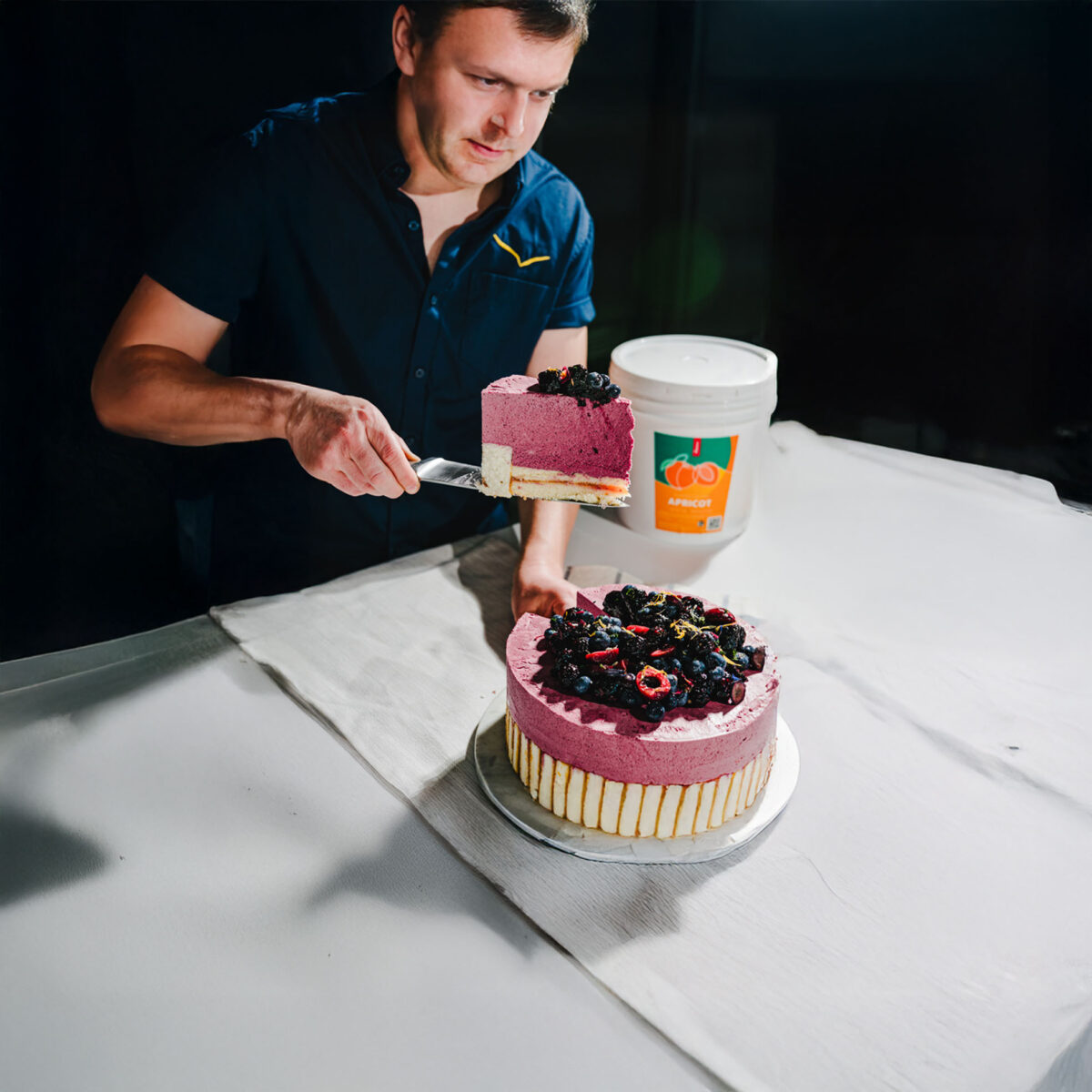
Capacity (Throughput)

An important factor to consider when choosing your soft serve equipment is its capacity or throughput. Some operations make the mistake of purchasing a unit that is either too small or too big for their operation. Things like barrel size and compressor quantities and sizes will determine the equipment capacity. In speaking with your soft serve equipment provider, be prepared to estimate how many servings you estimate doing per day and at which points you will have peaks of service to determine which capacity is right for you. For example, a store that sells hundreds of servings over 8-10 hours will need a different capacity compared to a store selling the same number in just 3 hours, which requires a higher output capacity to meet demand efficiently.

Utilities and Specs

Soft serve equipment is available with various electrical specifications to accommodate your utility requirements. It’s crucial to consult with both your electrician and equipment provider to determine whether your chosen unit requires 120V or 208-230V power and whether your space supports a 1-Phase or 3-Phase configuration. Fortunately, most manufacturers offer a range of electrical options to fit your needs. Keep in mind that opting for lower voltage equipment may limit you to smaller capacity units.
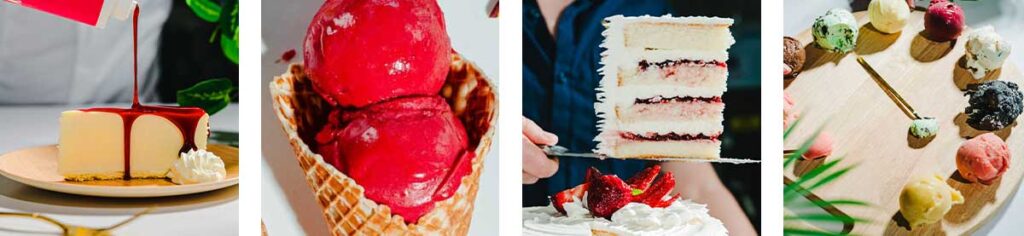
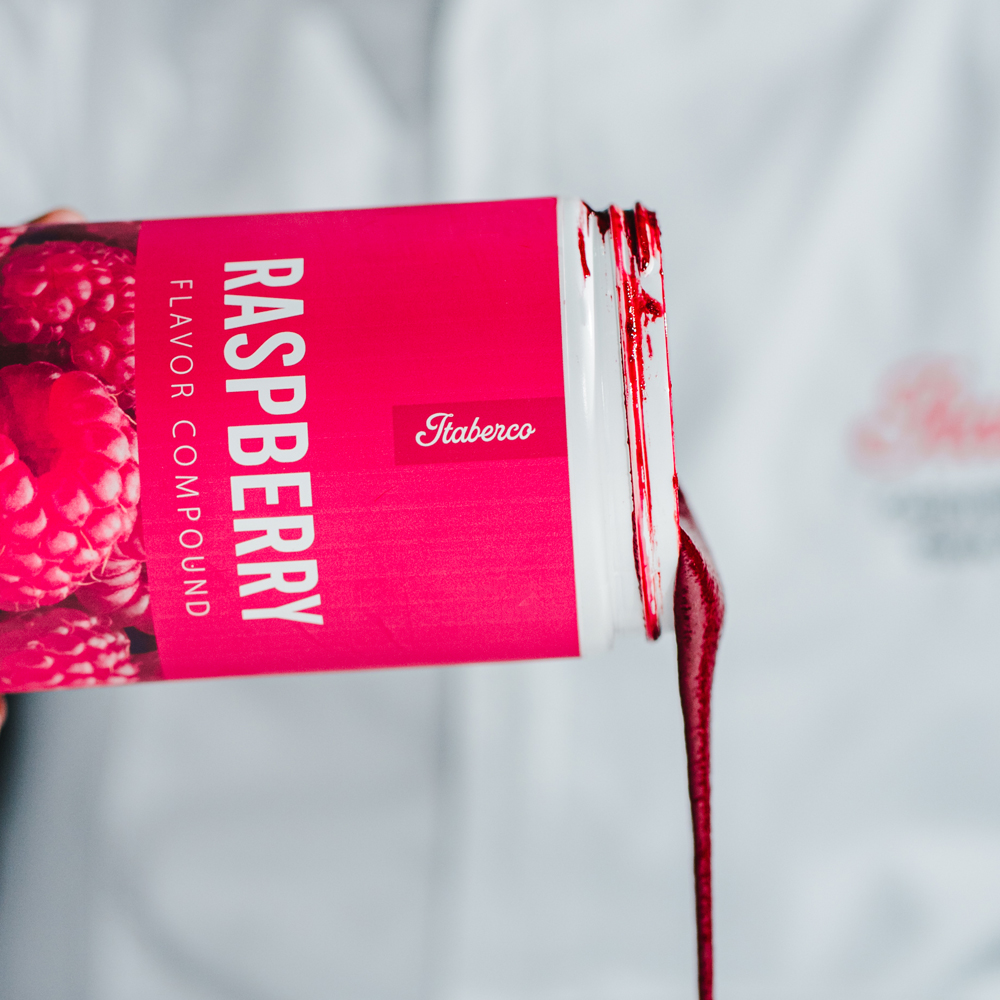
Frequently Asked Questions About Soft Serve Equipment

How much does a soft serve unit typically cost?

Brand new soft serve equipment can range in price based on the several criteria mentioned above. You can expect new equipment to range from $13,000 – $30,000, depending on the model, size, capacity, and features.

Should I consider purchasing a used soft serve unit?

Although used equipment can seem like a good option, in most cases, it is difficult to ascertain the quality of the equipment and its upkeep with previous owners. The lifetime costs associated with fixing and maintaining used equipment can be significantly higher than purchasing a new one. Having said that, there are companies and distributors that sell factory-certified, refurbished used equipment, which can help you save money on your equipment investment.

What brand do you recommend for soft serve equipment?

There are several companies that produce quality soft serve equipment. Here are a few to name: Taylor, Stoelting, Carpigiani, and Icetro. An important factor to consider when selecting a brand is the quality of service. Just like any other high-end foodservice equipment, to have a successful soft serve program, you will want to make sure a great service network is available in your area. In the United States, Taylor Company is known to have the most robust service network with several hundred factory-certified distributors and technicians in every market.

What can I expect for my return on investment (ROI) on my soft serve equipment?

Your return on investment on a soft serve unit will depend mostly on the volume of your business. Typically, we see customers receive ROI on their equipment investment in 6-9 months, considering a business is selling an average of 50 services of craft soft serve a day.

How difficult is cleaning and maintenance on my equipment?

Soft serve equipment is easier to clean and maintain than most people think. Cleaning and sanitization of your equipment is extremely important in order to provide a food-safe product to your customers. Cleaning requirements are typically dictated by your state or local government, so be sure to check local laws for your store. Most states require your equipment to be cleaned and sanitized at least twice a week. Your soft serve equipment will have small parts that are consumable that need to be changed either monthly or bi-monthly, depending on your usage rate, including things like scrapper blades and O-rings. We also recommend budgeting a few hundred dollars a year in preventative maintenance with your local service provider. Properly maintained equipment can last you for over a decade. The better you maintain your equipment, the more use you will get out of it.

What are Itaberco’s recommendations for soft serve machines?

Our favorite soft serve units are listed below (listed from lowest capacity to highest):

Gravity Equipment: Taylor C161, Taylor C-723, Taylor 794, Taylor C-713

Pressurized Equipment: Taylor C-722, Taylor C-712

Pro tip: If you plan on purchasing a new soft serve unit and you can specify your needs, ask to be quoted for a hopper-agitator. Although this feature isn’t standard, it can be added at a reasonable cost and significantly enhances product quality by keeping the mix in the hopper constantly agitated and homogenous.

Partner with Itaberco for Expert Guidance on Your Soft Serve Program

At Itaberco, we’re more than just a supplier—we’re your dedicated partner in creating a successful soft serve program. Whether you have questions about choosing the right equipment, optimizing your recipes, or enhancing your menu offerings, our team of experts is here to help. We offer premixes to ensure consistency, quality, and time savings in your soft serve abilities, plus a premium range of flavor compounds to build artisan experiences and delight your customers.

Ready to elevate your soft serve experience? Contact us today to get started and discover how Itaberco can support your business with tailored solutions and industry-leading expertise.

Inquire Now!