How to Replace Red 40 Dye with Natural Food Coloring

Red 40 Dye has long given food and beverage products the vibrant, reliable red consumers expect. But as the industry pivots toward cleaner, plant-based ingredients, synthetic colorants are coming under fresh scrutiny.
While Red 40 remains permitted nationwide, the regulatory environment is shifting: Red 3 is already slated for phase-out, and California plans to restrict Red 40 in public schools beginning in 2027.

For chefs, product developers, and R&D teams, the question is no longer why to move away from synthetic dyes, but how to do it without losing the color performance their products rely on.

This blog will walk you through how to evaluate natural pigments and incorporate them into your formulations in a way that preserves product quality, while helping you prepare for what’s ahead.
Why Is Red 40 Dye Being Banned?

The shift away from red dyes including Red 40 reflects larger changes in how consumers and brands think about color in food. Several key factors drive this transition:

  • Health-related concerns include:
  • Growing clean-label demand: Shoppers increasingly prefer recognizable, plant-derived ingredients and are wary of synthetic additives.
  • Brand and menu alignment: Synthetic dyes can feel out of place in products positioned around transparency or natural sourcing.
  • Regulatory momentum and risk: As dye regulations tighten across states and global markets, relying on synthetic reds introduces long-term compliance and reputational risks.

Together, these forces encourage many brands and development teams to assess whether synthetic colors still support their goals or whether natural colors offer a more sustainable direction forward.

A Step-by-Step Approach to Replacing Red 40 Dye with Natural Food Coloring

Natural colors have become the practical path forward for many developers, not just because they support cleaner labels, but because they align more closely with how consumers expect food to look and feel. But unlike Red 40, which behaves the same in almost any environment, natural pigments respond to the conditions around them.

This means replacing Red 40 isn’t a simple one-to-one swap. It’s a process of understanding how natural colors work and what they need to perform reliably.

The steps below outline how to make that transition successfully.

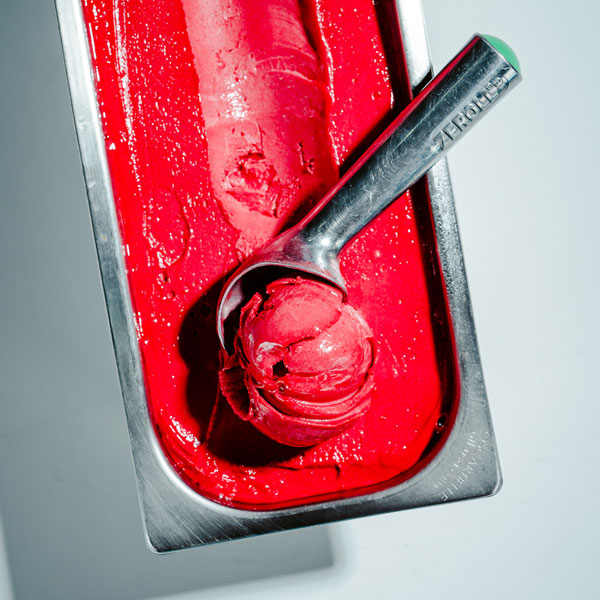
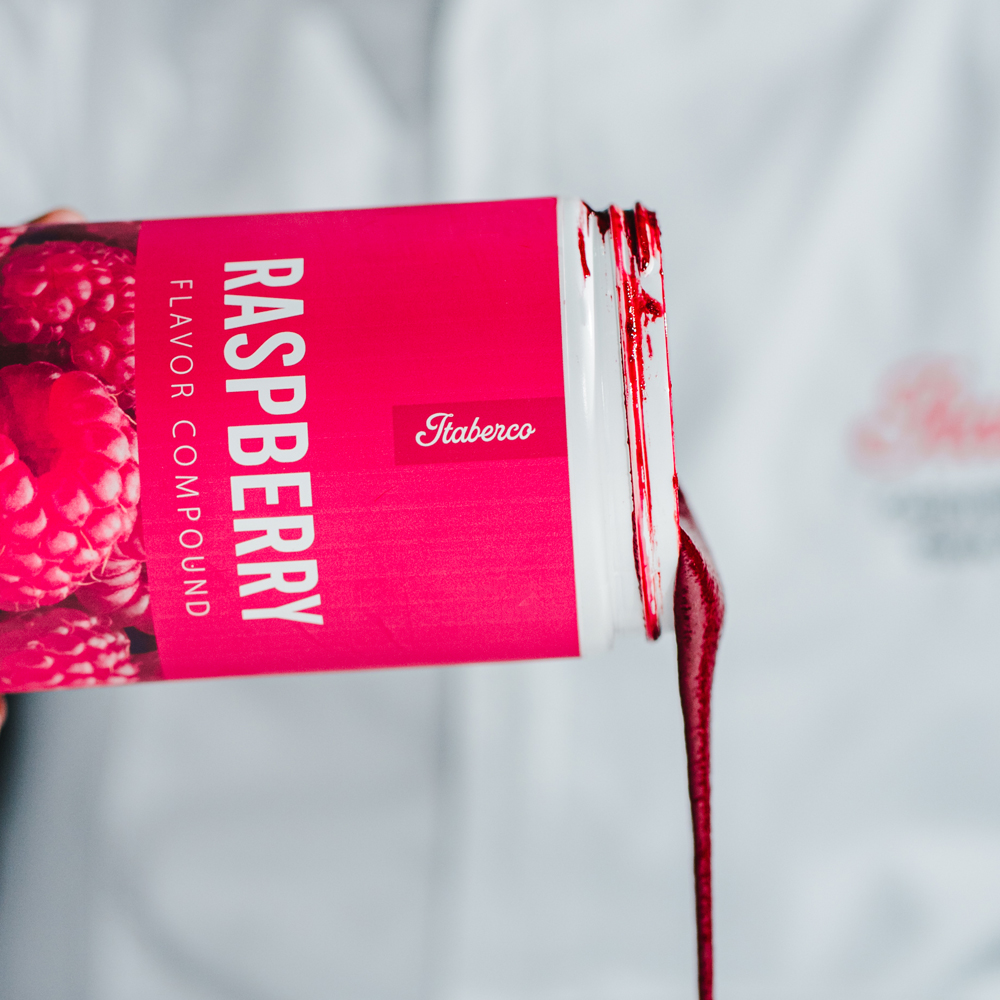
Flavor Compound Raspberry Pouring

Step 1: Understand What Natural Colors Need to Perform

Natural pigments are sensitive to their surroundings. Their shade and stability depend on factors like:

  • pH
  • Heat and processing conditions
  • Light and oxygen exposure
  • Fat content and ingredient interactions

You don’t need to master chemistry, you only need to know that natural colors behave differently than synthetic dyes. Recognizing these variables helps you choose the pigments that fit your product rather than forcing one that doesn’t.

Step 2: Explore the Natural Red Options

Once you understand your product environment, you can match it with pigments that naturally thrive in those conditions.

  • Beet-Derived Colors
    • Strengths: Bold magenta-to-red hues, great in cold or lightly heated applications
    • Considerations:  Can brown at high heat or high pH
  • Red Radish & Purple Sweet Potato
    • Strengths: Highly heat-stable, strong performers in baking and confectionery
    • Considerations: May lean pink in acidic systems
  • Anthocyanins (Berry, Grape, Hibiscus)
    • Strengths: Beautiful pink-to-violet tones, excellent in acidic products
    • Considerations:  Sensitive to pH shifts and light
  • Carmine
    • Strengths: One of the most stable and vibrant natural reds available
    • Considerations:  Not always compatible with dietary or brand preferences

While you can’t find one universal replacement, you can choose the pigment that best fits your application.

Step 3: Test in Small, Focused Batches

Once you’ve narrowed your choices, small-scale prototyping shows how a color will actually behave in your product.

Consider evaluating:

  • Basic usage rates (low, medium, high)
  • Processing impact (heat, freezing, aeration, mixing)
  • Flavor interactions (even subtle color sources can contribute notes)
  • Storage stability (how it looks after hours, days, or weeks)

Step 4: Make Light Adjustments Based on What You See

In most cases, natural reds need only minor tuning to reach consistent performance. That may include:

  • Small pH adjustments
  • Supporting the pigment with stabilizers
  • Improving dispersion in fat-based systems
  • Pairing pigments for a more balanced tone
  • Adjusting when the color is added

Step 5: Aim for a Shade That Feels Native to the Product

The most successful natural reds feel true to the flavor and identity of the food.

Examples:

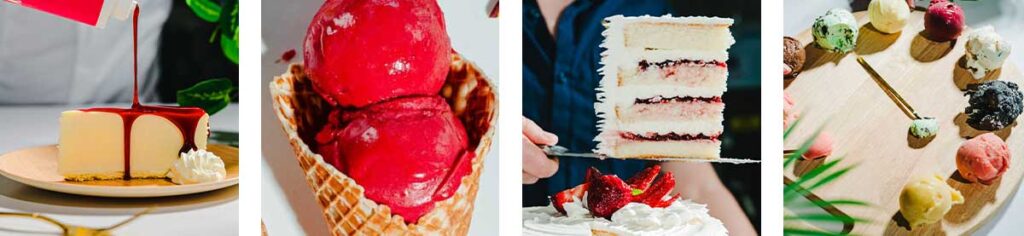
  • A strawberry gelato with a ruby, fruit-forward hue
  • A hibiscus beverage with its natural botanical tint
  • A pastry with a warm, inviting red rather than a neon brightness

Natural pigments shine when the final color supports the story the product wants to tell.

How Itaberco Helps Dessert and Beverage Brands Transition to Naturally-Colored Flavor Systems

Switching to natural color isn’t always a plug-and-play swap since flavor, color, pH, stability, and application behavior can all be impacted once an artificial dye is removed. That’s why dessert and beverage brands partner with Itaberco. We re-evaluate your formulas using naturally-colored flavor systems that deliver consistent, application-ready performance for both flavor and color.

Our collaborative R&D team helps you navigate:

  • How natural pigments perform in frozen environments
  • How natural colors hold up under heat in baking and pastry
  • How light or pH shifts can impact natural colors in beverages
  • The best usage rates for consistent shade and visual appeal
  • That your final product still matches the classic cues customers expect (such as a naturally pink strawberry or a golden, true-to-fruit mango)

Stay ahead of evolving clean-label regulations and consumer expectations.

Partner with Itaberco today to achieve reliable results and reduce trial-and-error.

Natural Colors and the Ban on Red 40 Dye: FAQs

No. Red 40 is still permitted at the federal level. However, Red 3 is being phased out and California has announced upcoming restrictions on Red 40 and other synthetic dyes in foods sold in public schools beginning in 2027. These changes signal growing regulatory momentum around artificial dyes.

Natural pigments behave differently, but when chosen and formulated intentionally, they can deliver vibrant, stable color across many applications. The key is selecting the right pigment for your product’s pH, processing conditions, and storage environment.

The biggest challenge is that natural colors are sensitive to their environment, and heat, pH, fat content, and processing can affect their shade and stability. These challenges can be addressed through proper pigment selection and thoughtful formulation.

Most modern natural pigments are highly refined and nearly flavor-neutral, though some (like beet) may contribute subtle notes at higher usage levels. Flavor compounds, like those offered by Itaberco, help balance and integrate color seamlessly.

Popular alternatives include beet-derived colorants, red radish, purple sweet potato, and anthocyanin-rich sources like berries, hibiscus, or grapes. Carmine is another highly stable option for teams that can accommodate it.

Moving Beyond Red 40 Dye with Confidence

Replacing Red 40 is a strategic step that supports both clean-label goals and the regulatory changes already taking shape. With the right pigment selection and thoughtful refinement, natural reds can deliver impressive vibrancy, stability, and flavor harmony while strengthening the authenticity of your ingredient story.

If you’re ready to move away from artificial dyes, we’re here to guide the process seamlessly. We’ll help build naturally-colored flavor solutions that are reliable, clean-label, and ready for the future. Let’s upgrade your formulation together.