 ItabercoItaberco
Spoilage, failed batches, and overproduction are common challenges in pastry production, but leading operations know how to manage them.
In large-scale hospitality kitchens, pastry waste rarely comes from one dramatic mistake. It’s almost always the result of small, repeated inefficiencies that compound over time.
For hotels, resorts, cruise lines, and catering operations, dessert production operates under unique pressure: precise textures, tight service windows, and limited tolerance for inconsistency. When something goes wrong, the result is often discarded product rather than a second chance.
Understanding where pastry waste originates is the first step toward controlling it.

Pastry components are especially vulnerable to spoilage. Custards break, fillings weep, creams separate, and fruit loses structure, often before service ever begins.
In large kitchens, spoilage is typically caused by:
Fruit-based pastry components are especially vulnerable to waste. Fresh fruit requires peeling, trimming, and cooking, introduces variability in ripeness and sweetness, and can spoil before it’s fully utilized. The prep time required to transform raw fruit into a stable filling also increases labor cost and expands the window for product loss.
When teams are rushed, understaffed, or have high employee turnover, these issues escalate quickly. The result extends beyond lost product to lost labor, lost time, and unpredictable yields.
Shelf life and holding stability matter just as much as ingredient quality.
Failed pastry batches are one of the most expensive forms of waste because they often go unnoticed until late in the process.
Common causes include:
In large-scale operations, minor deviations quickly escalate into:
Scratch baking introduces multiple opportunities for error. Each ingredient must be weighed and staged correctly, and even minor scale inaccuracies can affect texture and structure. Pre-measured pastry mixes reduce these risks by completing much of the mise en place in advance, eliminating measuring steps where mistakes commonly occur and supporting more consistent batch outcomes.
Beyond ingredient waste, these failures erode the most expensive resource in the kitchen: time. Rework, delays, and last-minute fixes interrupt service flow, strain labor, and reduce operational confidence, particularly during peak periods.
The more variables in a recipe, the higher the risk of failure at scale.
Overproduction is often treated as a necessary safeguard in hospitality kitchens. Teams produce extra “just in case,” especially when desserts are complex or difficult to remake quickly.
But in high-volume pastry environments, overproduction leads to:
Ironically, overproduction is often a response to inconsistency. When yields and outcomes aren’t predictable, kitchens compensate by making more.
Predictability reduces the need for excess.
Across spoilage, failed batches, and overproduction, one issue appears consistently: unpredictable yield.
Waste becomes inevitable when teams can’t reliably forecast:
This is why many large-scale operations are rethinking how they approach foundational pastry components.
Example: A simple yield miscalculation can compound quickly in high-volume environments. For example, a 300-room hotel producing 400 plated desserts per night that miscalculates yield by just 5% discards 20 portions per service. Over 30 days, that results in 600 portions lost, representing not only ingredient waste but also labor and preparation time that cannot be recovered.

Operations focused on waste reduction prioritize:
Pre-measured pastry bases help streamline production by reducing ingredient staging, minimizing measuring mistakes, and shortening prep time. With foundational ingredients already balanced, teams can execute recipes more confidently while maintaining consistency across shifts and skill levels.
Rather than replacing craftsmanship, standardized foundations allow chefs to spend less time troubleshooting variables and more time focusing on creativity, presentation, and menu innovation.
Bake-stable fillings and standardized pastry components further support these goals by reducing variability at the foundation level. When yields are consistent, teams can:
Bake-stable fruit fillings, in particular, help eliminate loss from leakage, breakdown, or texture failure during baking. Because they arrive ready to use, they also reduce labor associated with peeling, trimming, cooking, and stabilizing fresh fruit while minimizing spoilage and seasonal variability.

For buyers and F&B managers, reducing pastry waste is about controlling outcomes, not cutting corners.
Ingredients that deliver predictable yield, stable performance, and reliable shelf life often result in a lower total cost of use, even if the upfront price appears higher.
The savings compound quickly when waste is reduced, labor is protected, and service runs smoothly.
Pastry waste in large kitchens is rarely the result of poor execution.
It’s usually the result of uncontrolled variables.
The most successful hospitality operations manage complexity through systems designed for scale.
When foundations are predictable, waste becomes the exception rather than the rule.

A buyer’s tool for evaluating ingredients, systems, and true cost of use.
Use this checklist to assess where pastry waste is entering your operation and how ingredient choices impact yield, labor, and consistency.

☐ Do our pastry components have clearly defined shelf life and holding windows?
☐ Are we discarding product due to texture breakdown, separation, or weeping?
☐ Do components hold consistently across multiple shifts and service days?
☐ Are storage requirements realistic for our available space and workflow?
Ingredients with unstable holding behavior often increase hidden waste, even if their unit cost is lower.

☐ Are failed batches frequent enough to be considered “normal”?
☐ Do different team members produce noticeably different results from the same recipe?
☐ Are manual measuring and scaling steps introducing variability?
☐ Do baked desserts perform consistently across ovens, pans, and batch sizes?
Inconsistent foundations lead to higher labor cost, retraining time, and scrapped product.

☐ Can we accurately forecast how much finished product a batch will produce?
☐ Do baked components maintain structure and weight through baking and freezing?
☐ Are fruit fillings breaking down, leaking, or shrinking post-bake?
☐ Do we adjust production volumes due to uncertainty rather than demand data?
Predictable yield allows tighter production planning and reduces safety overproduction.

☐ Are we intentionally producing extra “just in case”?
☐ Is excess product regularly discarded rather than repurposed?
☐ Are desserts difficult or time-consuming to remake mid-service?
☐ Do we overproduce because outcomes feel risky or unreliable?
Overproduction is often a symptom of inconsistency, not poor forecasting.

☐ Are key pastry components standardized across locations or teams?
☐ Do ingredients perform reliably in baking, freezing, thawing, and holding?
☐ Are batch sizes and prep steps aligned with our labor capacity?
☐ Do ingredient systems reduce training time for new or rotating staff?
Ingredient systems designed for scale reduce operational risk in high-turnover environments.

☐ Have we evaluated ingredient cost alongside waste, labor, and failed batches?
☐ Are we factoring spoilage and scrapped product into purchasing decisions?
☐ Do higher-performing ingredients reduce rework and last-minute substitutions?
☐ Are we buying for price or for predictable outcomes?
The lowest-cost ingredient rarely delivers the lowest total cost.
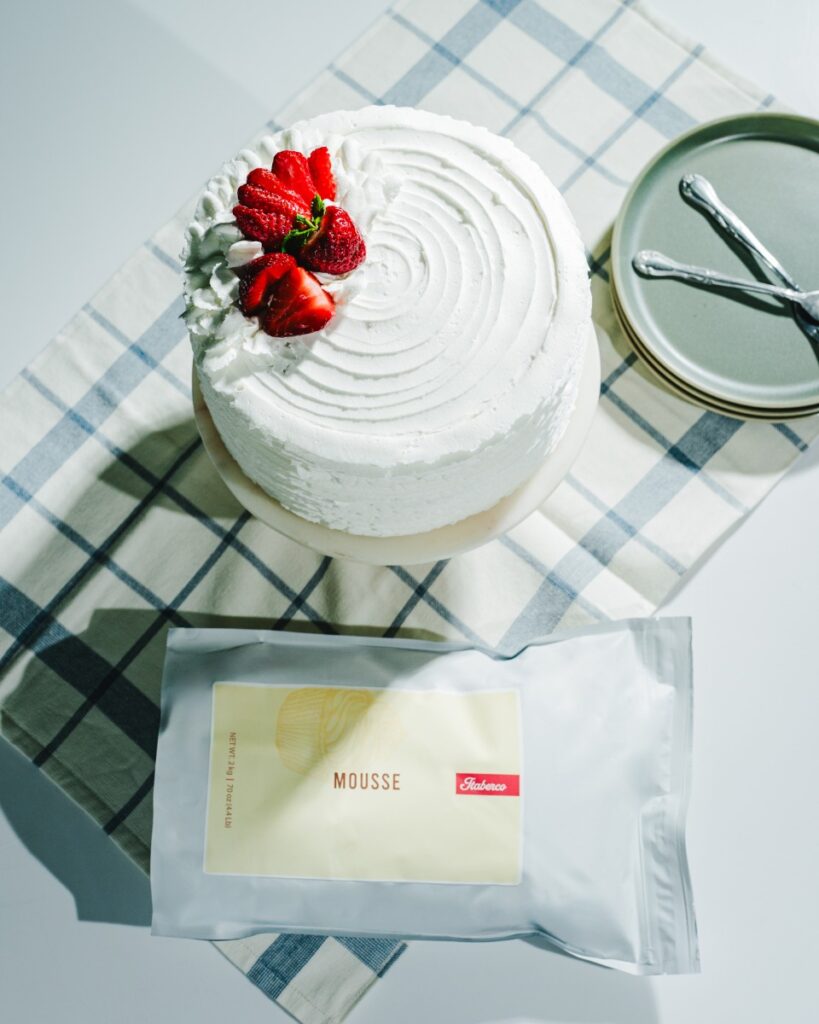
Pastry spoilage, failed batches, and overproduction are common symptoms of uncontrolled variability at the foundation level.
Ingredients that deliver predictable yield, recipe stability, and consistent performance help buyers protect margin, labor, and service quality while preserving creative freedom.